
Pantry Organization
22 Spice Jar Organization Ideas for Drawers, Shelves, and Racks
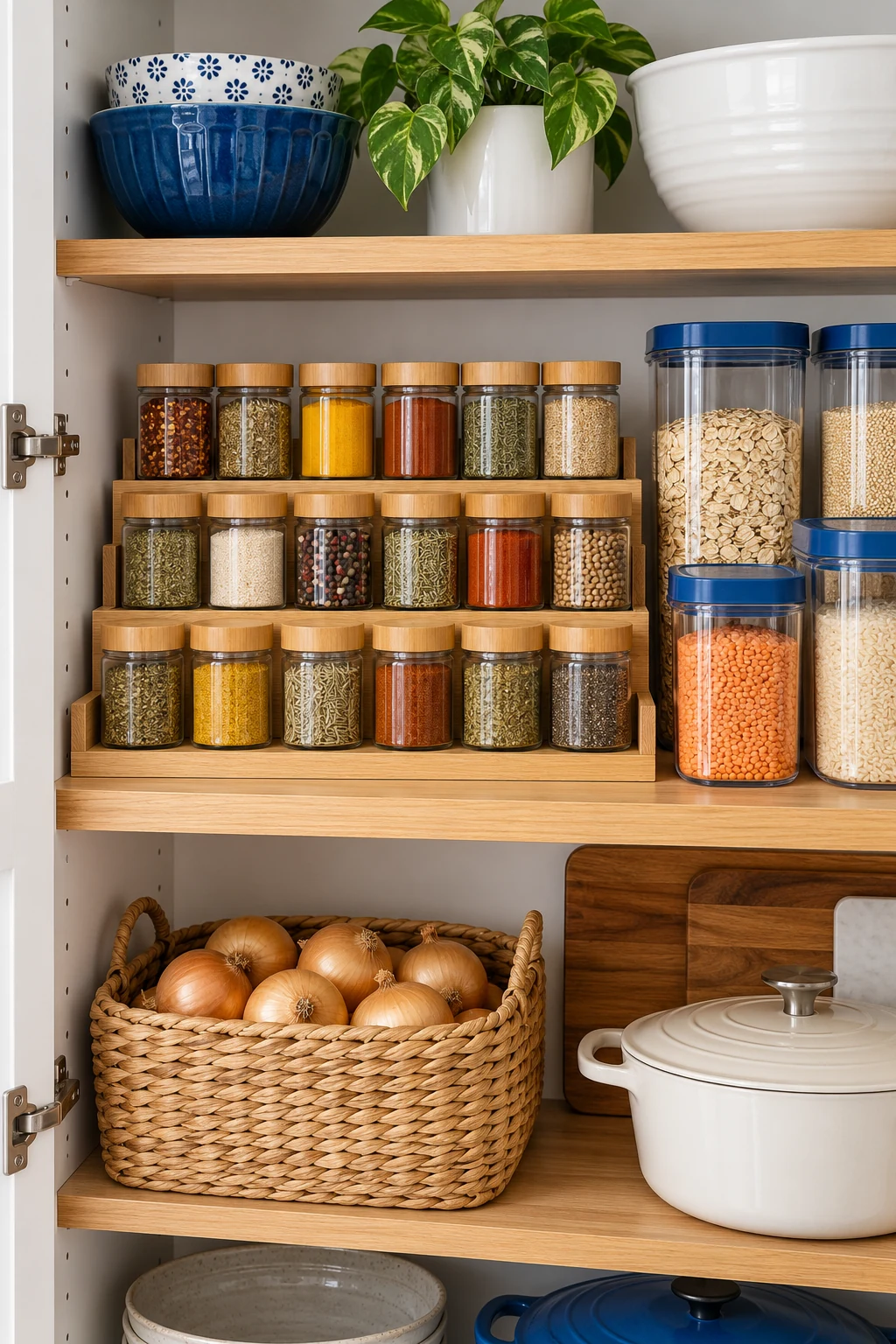
When every spice looks like a small jar of brown powder, finding the right one can take longer than the recipe step itself. Clear names and an obvious place to return each bottle make a bigger difference than a perfectly matched collection.
These 22 spice jar organization ideas work with original bottles, refillable jars, drawers, and shelves. Start by gathering what you already own and checking the largest containers. Keep spices tightly closed in suitable storage away from heat and moisture, and preserve their original ingredient and identifying information whenever you decant.
This article contains affiliate links. If you buy through them, Havelyo may earn a commission. As an Amazon Associate I earn from qualifying purchases.
1. Gather every spice jar before choosing a system
Bring jars from the cabinet, drawer, pantry, and counter to one clear surface. Line matching ingredients together so you can see how many containers are already open. You may discover that the collection needs fewer duplicates rather than a larger rack.
Keep the original labels on while you sort, and check each product’s storage and quality guidance. Set damaged or questionable containers aside for appropriate review. Do not combine the contents of several jars just to make the row look neater or free up a bottle.
2. Choose jar size around the amount you use
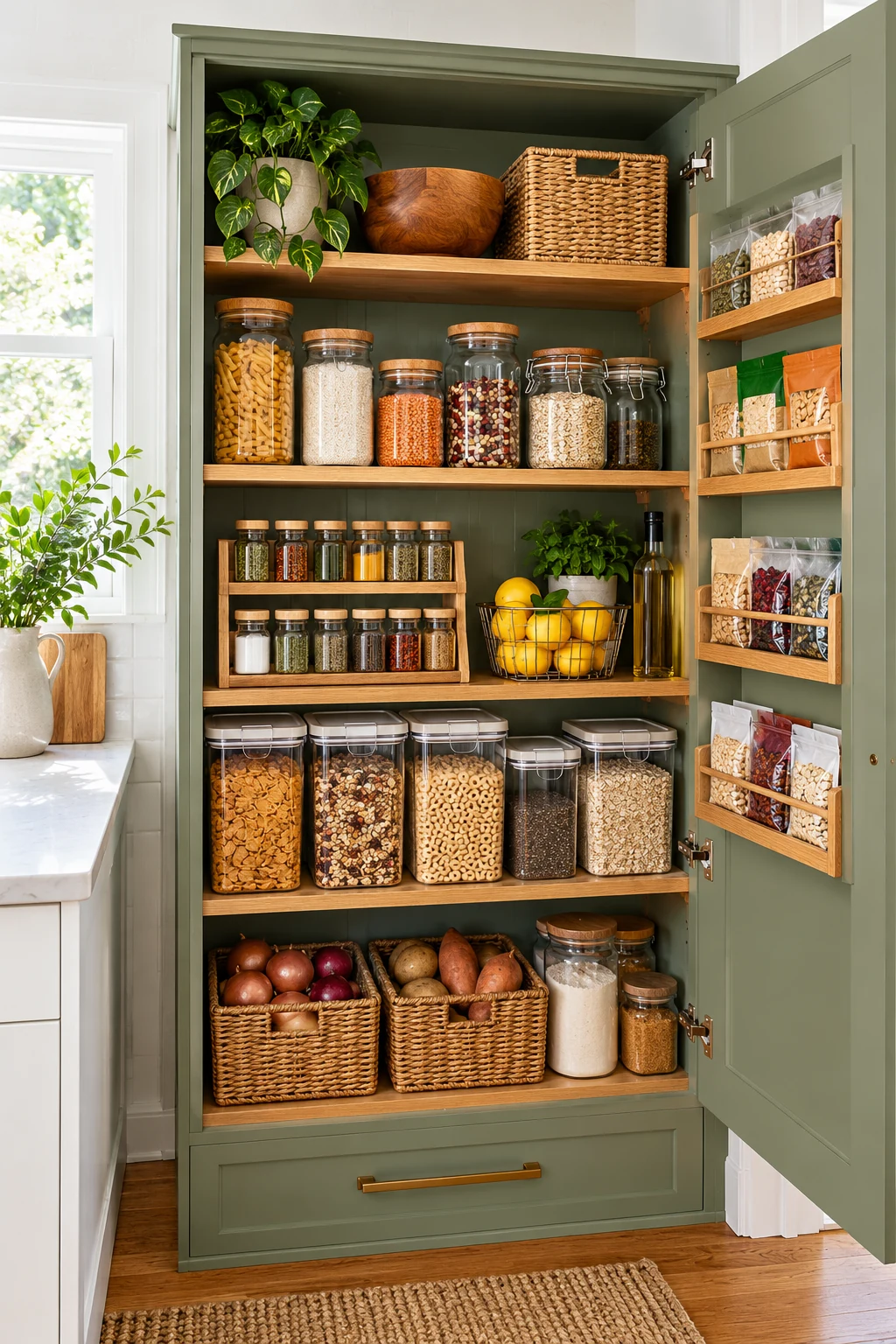
A matching jar is useful only if its size suits the ingredient. A spice used by the spoonful every week may need a larger bottle, while an occasional seasoning can stay in its smaller original jar. Check both the jar opening and the storage footprint.
The Simple Houseware Square Glass Spice Bottles, 6-Ounce, 12-Pack offer 6-ounce-volume bottles that are 2 inches square and 4.5 inches high. Compare that size with your rack before committing to a set. Volume is not the same as spice weight, so test your typical refill amount rather than relying on the ounce number alone.
3. Keep useful original bottles instead of replacing them all
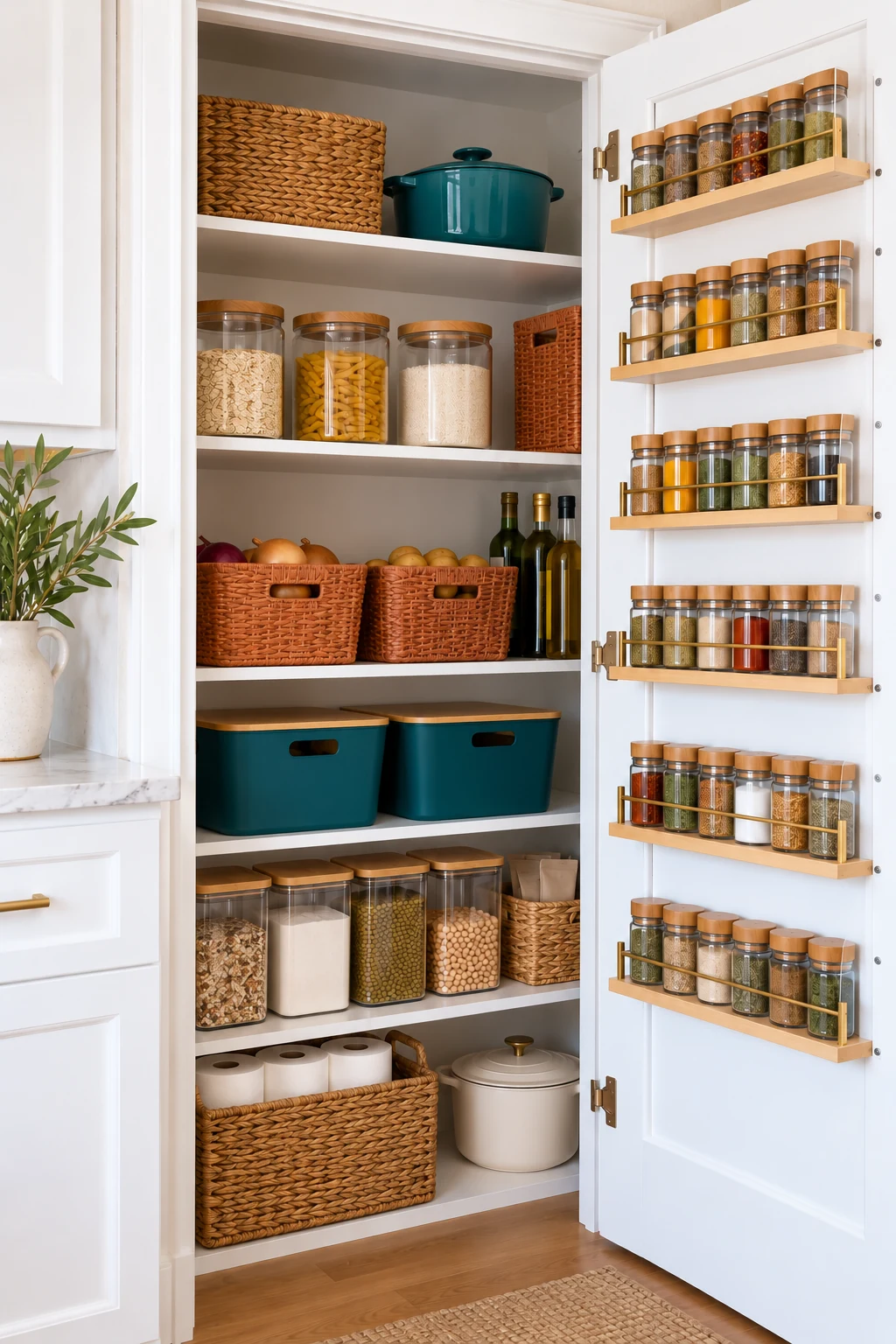
Original spice bottles already carry the product name and important information, and many work well in everyday storage. Arrange them together before deciding they need replacing. A consistent front-facing position can make a mixed set look orderly without any transfer work.
Use dividers, a shallow tray, or extra spacing to accommodate the shapes. Leave any special closure or dispensing insert in place as intended. If a bottle does not fit the chosen rack, moving that one bottle may be simpler than decanting the entire collection.
4. Put ingredient names on the face you can see
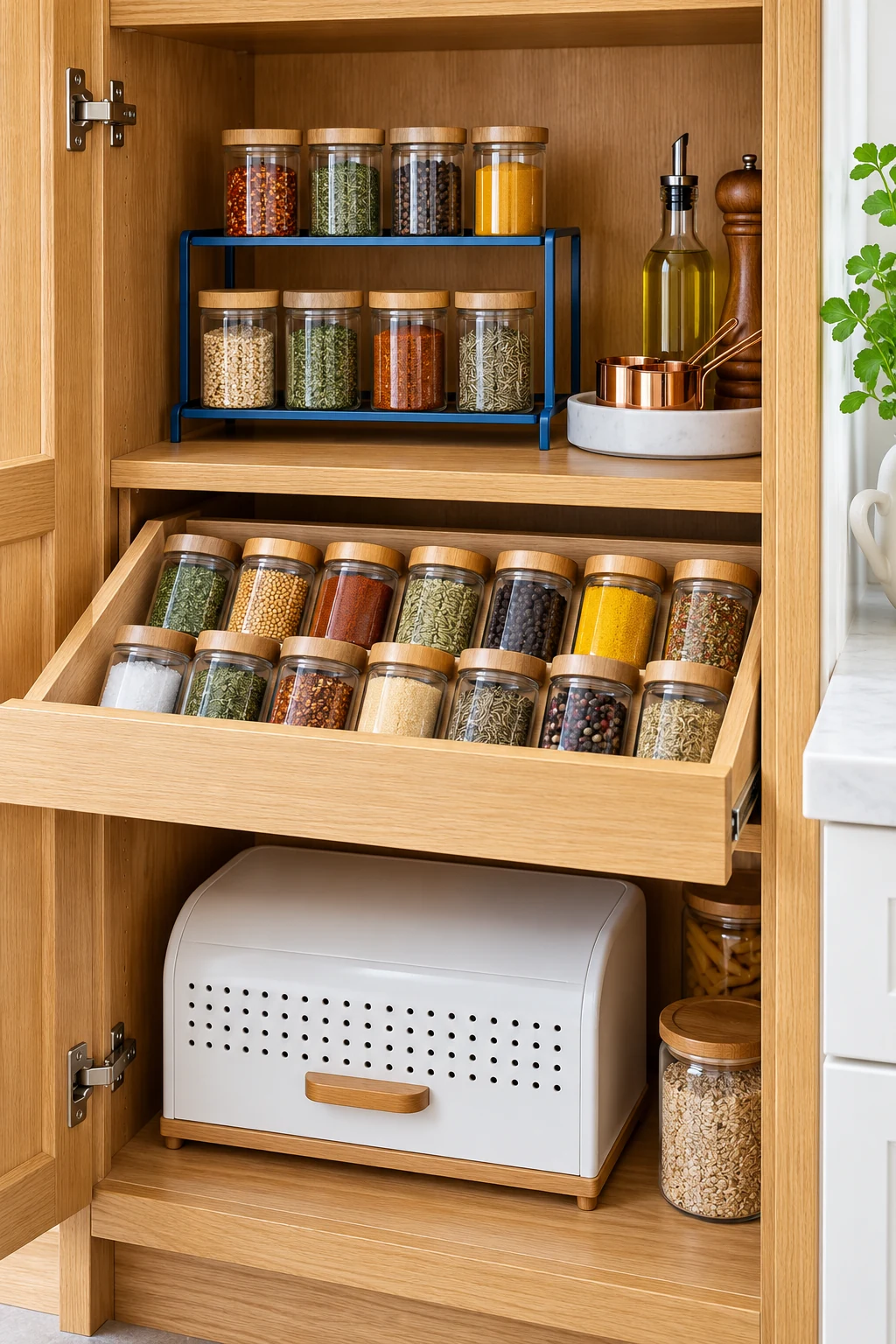
Front labels are useful when jars stand on an eye-level shelf. Place the name above or below the rack’s guard so the rail does not hide it. Test one label with the jar in position before applying the rest of a set.
Leave the product’s necessary information visible or preserve it separately if you transfer the contents. A decorative sticker should not cover the only allergen statement or identifying code. Keep labels on the outside of the jar and follow the label maker’s surface instructions.
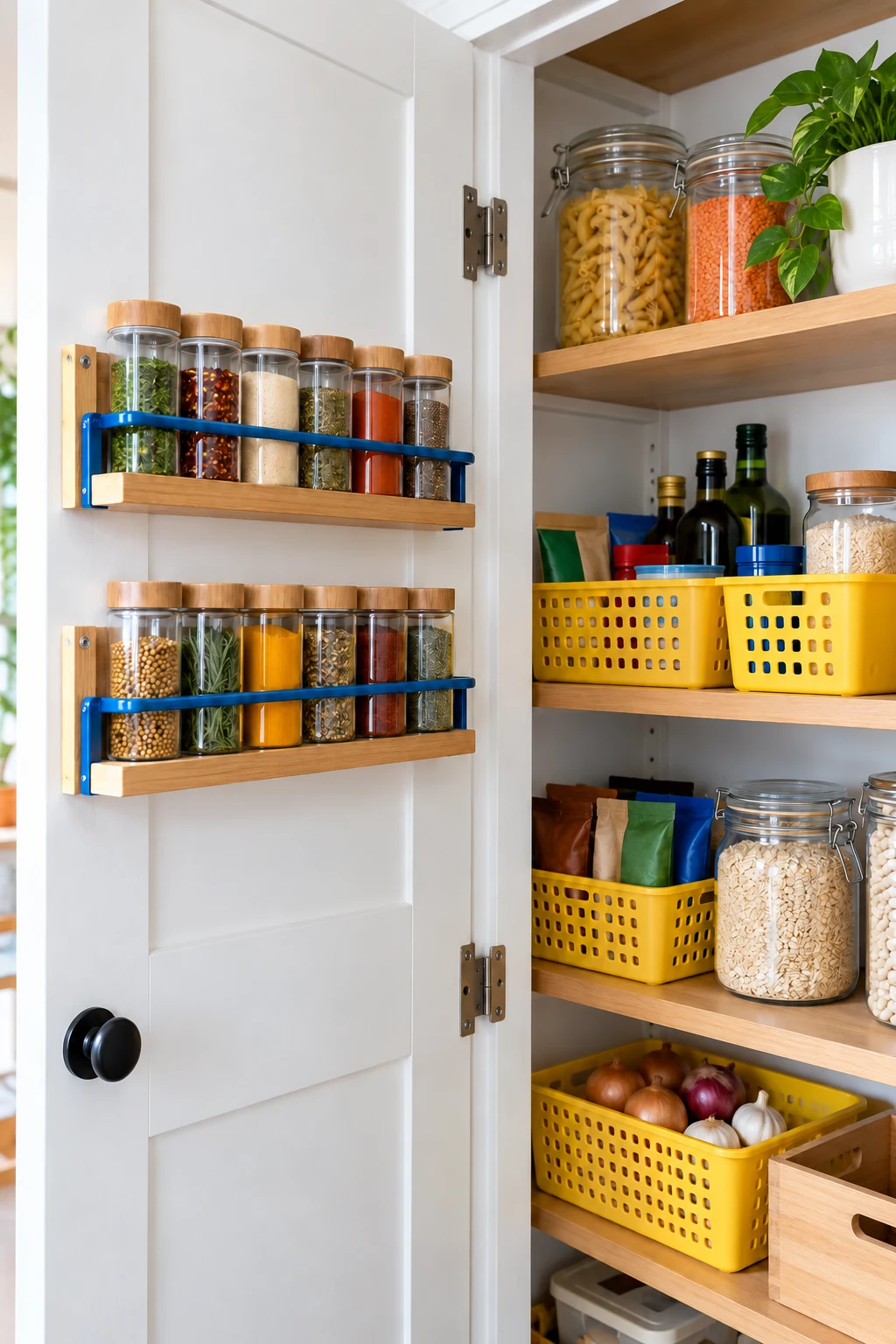
5. Label the lids for a top-down view
If you look down into a drawer or low pull-out shelf, put the ingredient name on the lid. Use a short, specific name that you can read before lifting the jar. This avoids the repeated pick-up-and-check routine that makes a deep drawer frustrating.
Keep the lid paired with the correct jar while refilling or washing, especially when bottles look alike. Consider a matching small identifier on the base as a backup. Do not label only removable caps if they regularly get mixed during cooking.
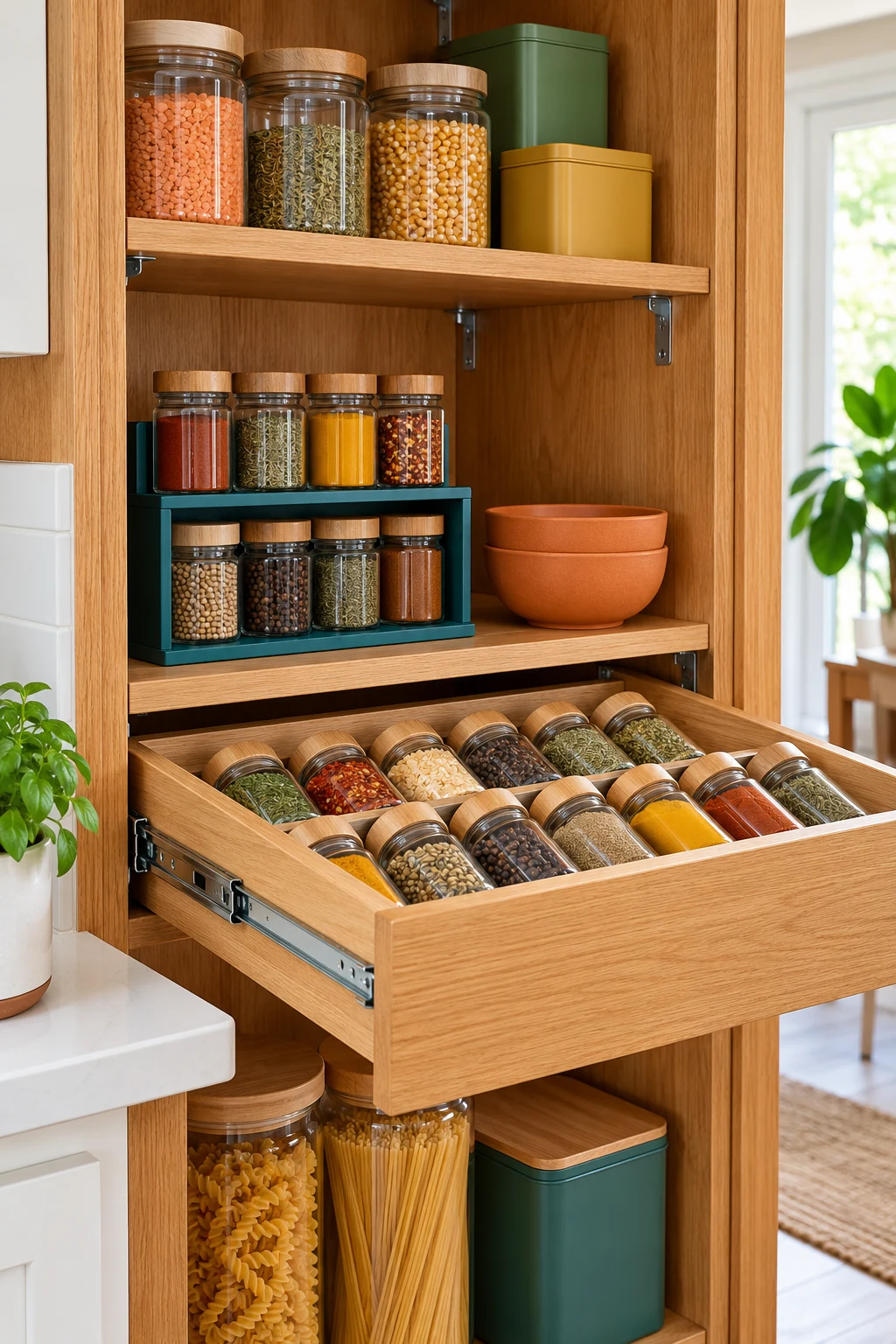
6. Write the exact form of each spice
Use labels that distinguish ground cumin from cumin seeds, garlic powder from garlic salt, and one paprika style from another. These small differences matter when you are following a recipe. Put the distinguishing word where it remains visible in the rack.
Keep homemade blends equally specific and retain a current ingredient record, including allergens where relevant. A vague label such as seasoning may look tidy but will not help the next person cook. If you cannot identify an existing jar confidently, do not guess from its color.
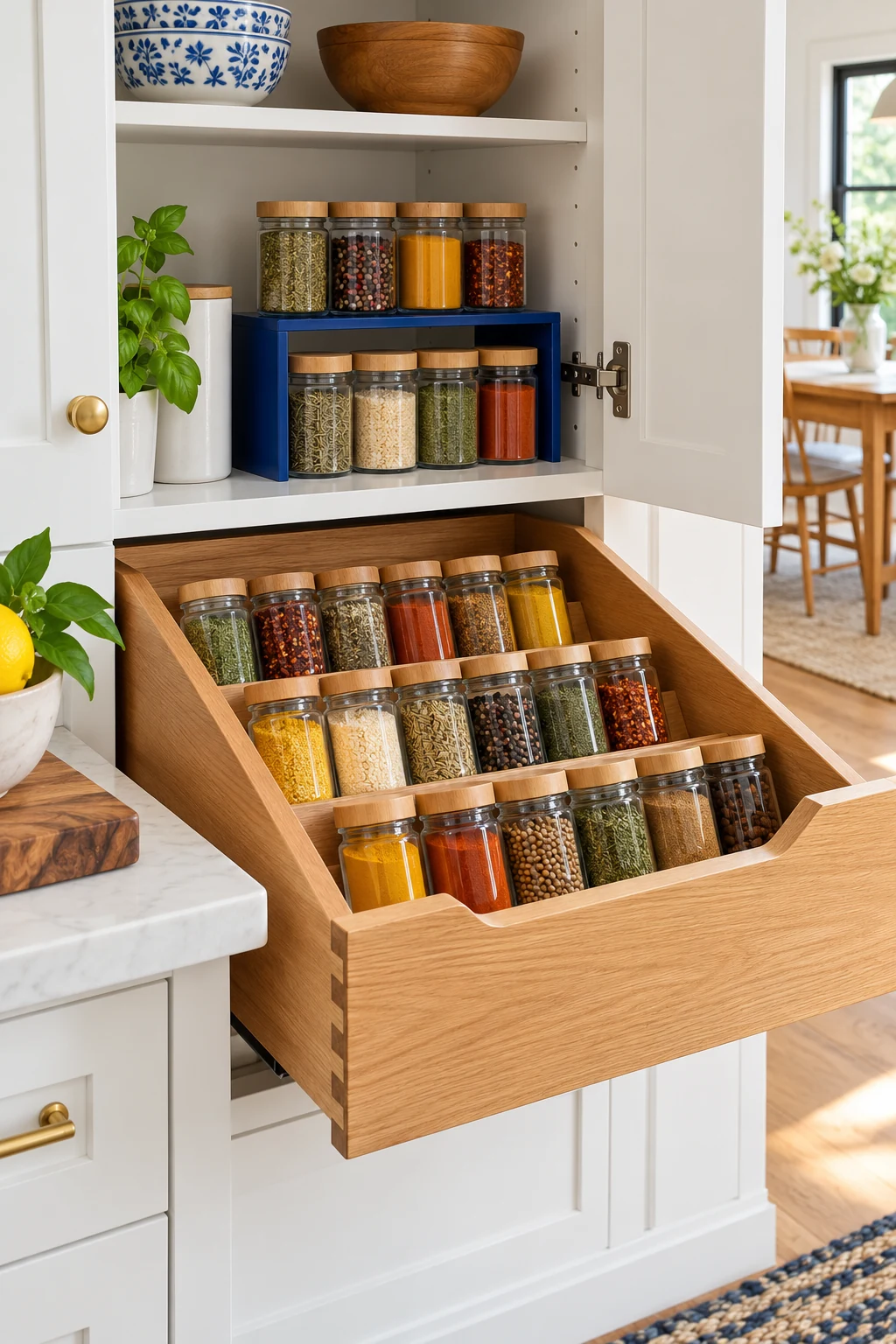
7. Use larger lettering instead of tiny decorative labels
A readable label does more work than an elaborate one. Choose strong contrast, a plain type style, and enough space for the ingredient name. Look at a sample from your normal cooking distance rather than judging it while holding the jar close to your face.
Keep color as a secondary cue instead of the only way to tell ingredients apart. A white label with a clear dark name may work better than several decorative fonts. Test the chosen label through the jar’s usual cleaning routine before relabeling every bottle.
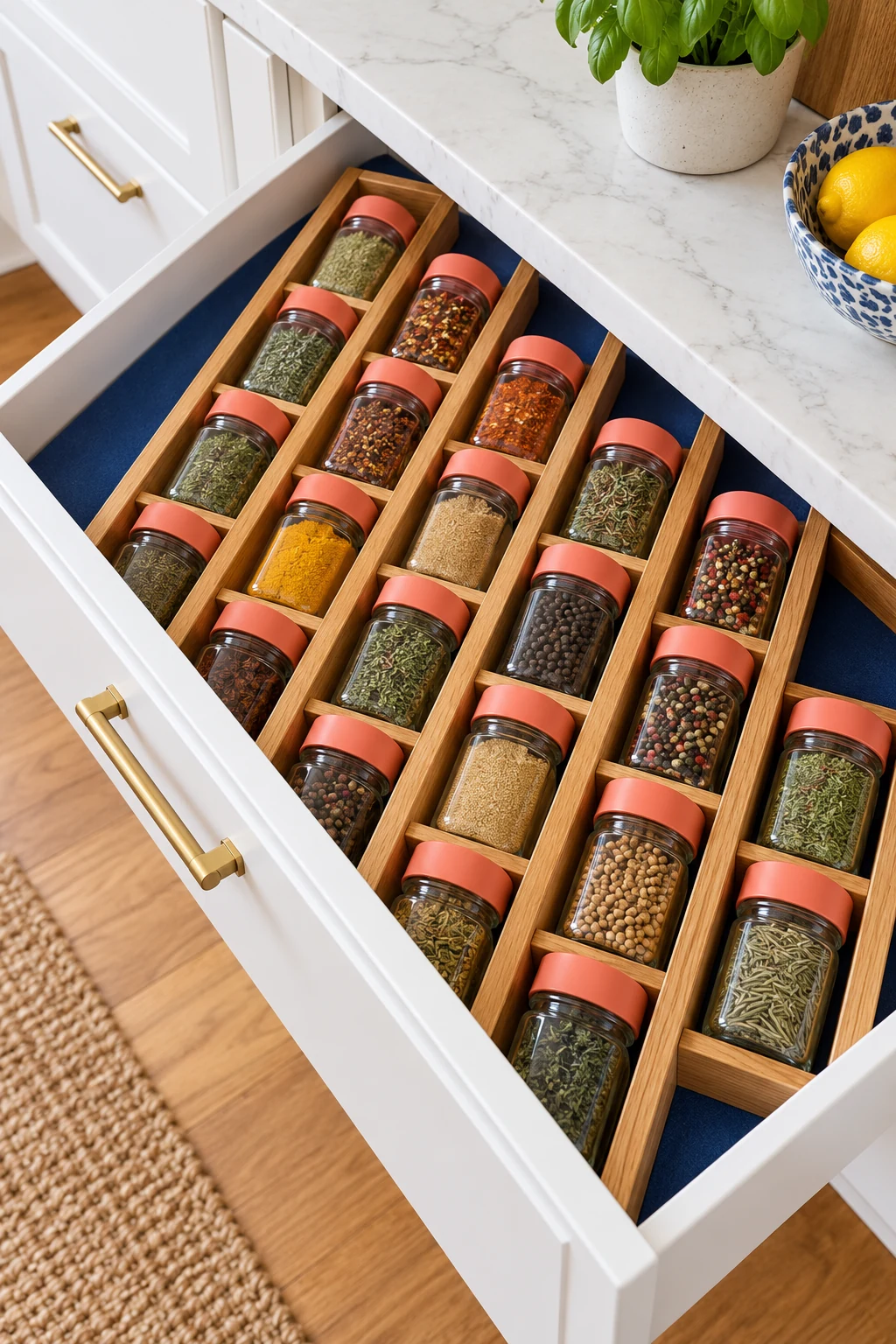
8. Use one alphabetical run for a broad collection
Alphabetical order can be useful when you own many different spices and search by ingredient name. Start at one visible end and continue across the next row or module consistently. Keep the order simple enough that another person can put a jar back without asking.
Leave a few gaps rather than packing the rack completely. A new ingredient should not require moving every bottle in the cabinet. Decide how to handle similar names, such as ground and whole versions, and keep those pairs beside each other.
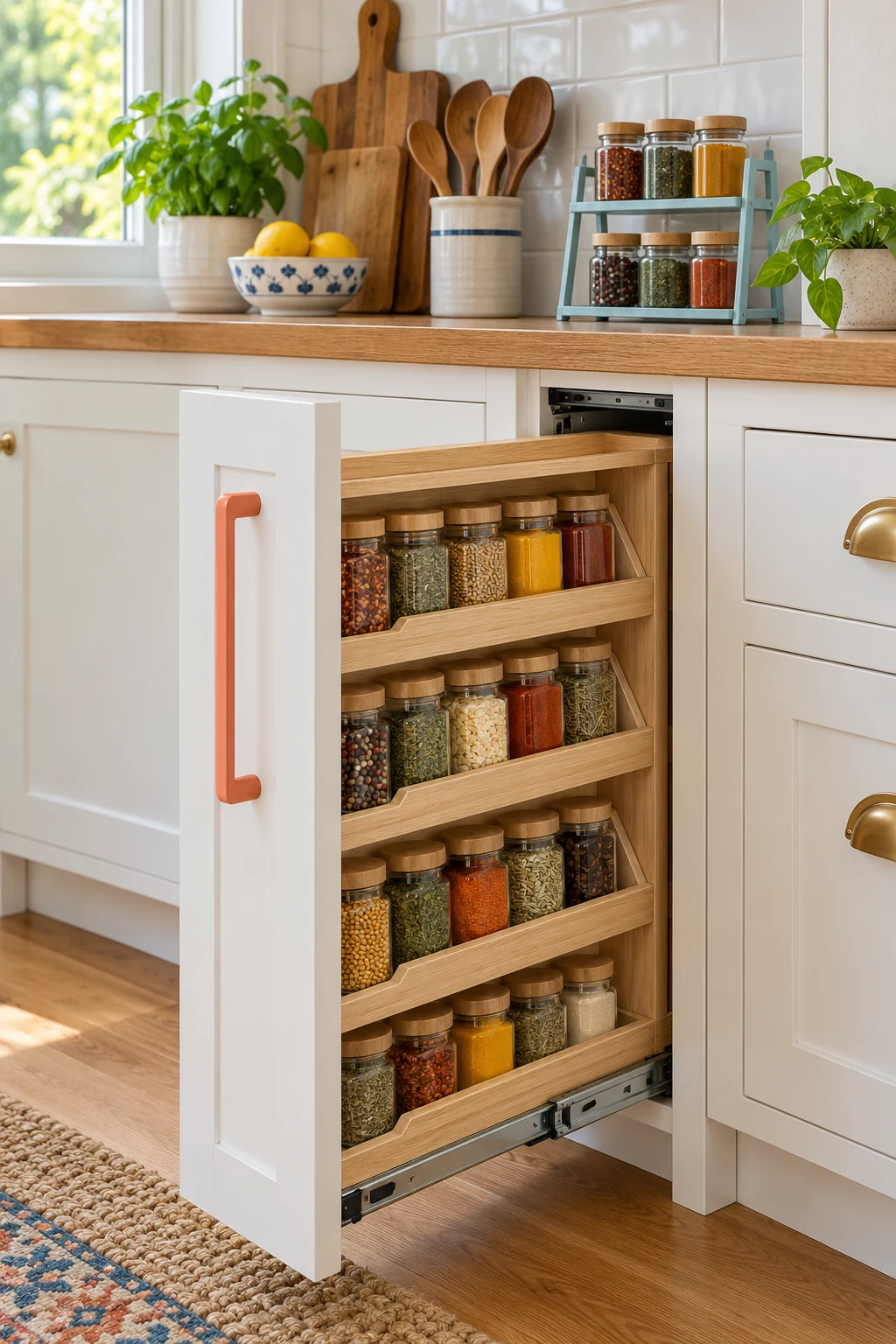
9. Group by cooking task when that feels more natural
If you usually reach for spices as a set, make a few broad cooking groups. Baking spices might share one tray, while a handful of everyday savory seasonings occupies another. Choose groups based on meals you actually make instead of inventing a complicated filing system.
Give each spice one primary home, even if it fits several groups. Avoid buying duplicate jars just to complete every tray. A small shared row for crossover ingredients can keep the layout clear without forcing you to remember too many exceptions.
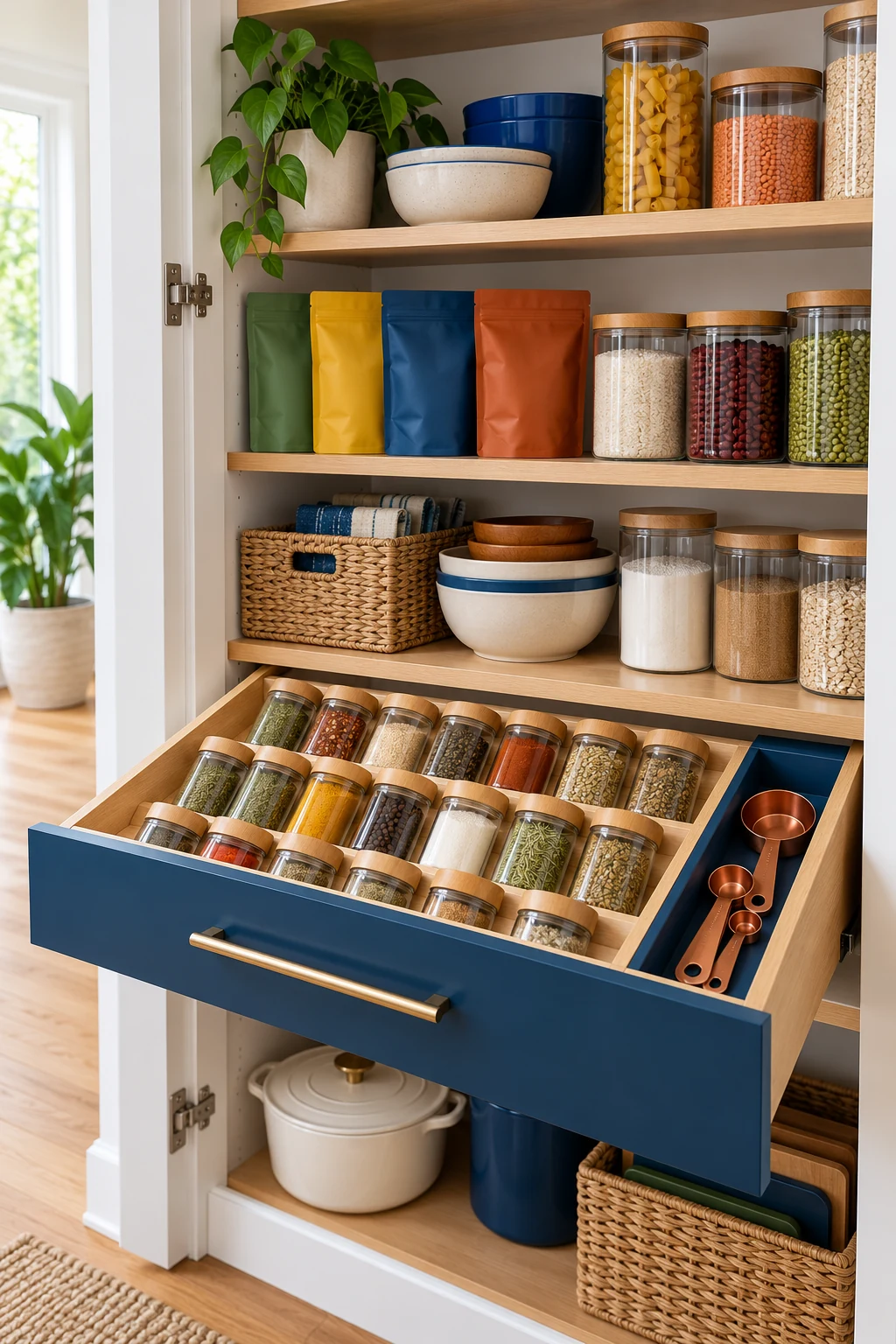
10. Keep an everyday row at the easiest reach
Pull the few spices you use most into a clearly defined front row. That working set might include black pepper, cinnamon, or another household favorite. The rest can remain in a larger alphabetical or grouped collection behind or beside it.
Keep the everyday row small so it stays useful. Review it after your cooking routine changes instead of permanently reserving prime space for an ingredient you no longer reach for. Return the jars after cooking and keep them away from steam and heat.
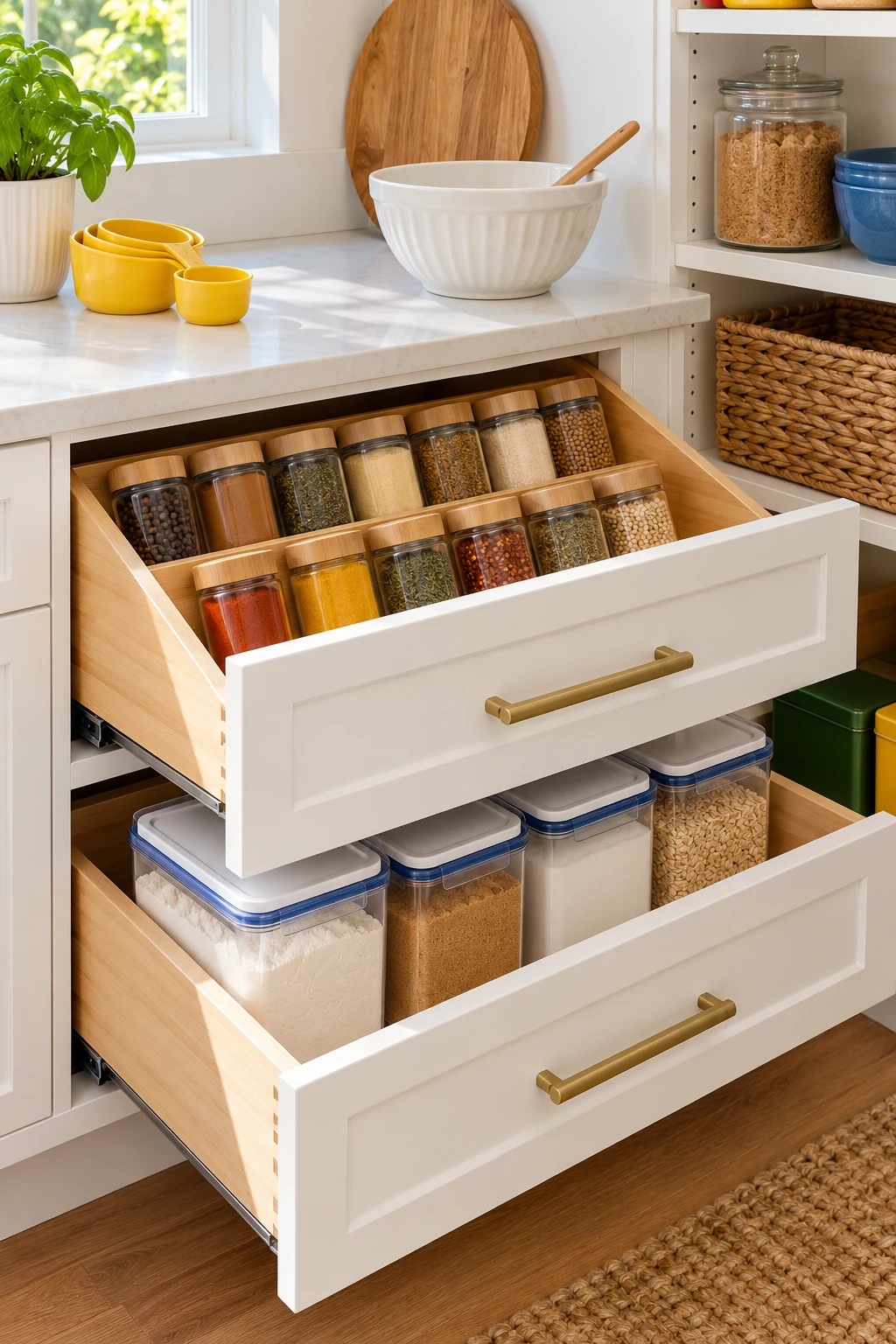
11. Raise rear jars on a stepped organizer
On a shelf, a small jar is easy to lose behind a tall front row. A stepped organizer makes the rear labels visible and gives each row a defined edge. Arrange the bottles so the names face the opening and no base hangs over a tier.
The Copco 3-Tier Spice Rack Organizer, 15-Inch, White/Gray has a 15-inch-wide layout with approximately 2.75-inch-deep steps. Check your widest jar before arranging the collection. If the upper shelf blocks lifting a back-row bottle, lower the rack or move tall jars to a separate open section.
12. Lay mismatched bottles flat in drawer channels
A drawer can accommodate mixed bottle heights when the jars lie flat with their names upward. Place similar widths together and leave a little space around unusually shaped containers. This lets you keep the original bottles while creating a much clearer overview.
The YouCopia SpiceLiner Spice Drawer Organizer, Gray, 10-Foot Roll can be cut into strips to fit the drawer layout. Measure the jar diameter plus the liner height before closing the drawer. Keep labels aligned after use and avoid adding a second loose layer of bottles on top.
13. Divide upright drawer jars into loose rows
Upright jars can shuffle when a deep drawer opens quickly. Low dividers or narrow trays can give them stable lanes while keeping the lids visible. Leave enough space to grip one jar without lifting the entire row.
Test the full drawer movement with a few jars before filling it. Dividers should stay secure and sit below the useful label area. Heavy glass jars also count toward the drawer’s load rating, so avoid treating the available floor space as a reason to fill it completely.
14. Separate short jars into two shelf levels
When an opening is much taller than your spice bottles, two accessible levels may work better than a high pile. Keep short jars under a small shelf insert and place another visible row above it. Preserve an open-height spot beside the insert for taller containers.
The Simple Houseware Expandable Stackable Kitchen Counter Shelf Organizer, White, Metal Top supplies metal pieces you can compare with the available cabinet space. Measure the clear area beneath each piece and the height of the loaded top row. Jars should slide out individually without scraping the shelf or knocking a neighbor.
15. Match pull-down drawer labels to the jars inside
A pull-down spice organizer can hide the jar names when closed, so its front labels need to describe the actual contents. Group each drawer in a way that is easy to remember. Update the front label whenever you change the jar arrangement.
The YouCopia SpiceStack Adjustable Spice Organizer, 24-Bottle includes removable drawer labels and adjustable dividers for its bottle channels. Use the labels selectively rather than filling every blank with tiny text. Check the jars’ fit and the drawer movement before deciding how to divide the collection.
16. Face labels outward on a turntable
A rotating tray is easier to scan when jar fronts face its outside edge. Arrange a modest ring of bottles and keep the middle open or lightly filled. Turn the tray slowly until the right name faces you rather than reaching across moving jars.
The Copco Nonskid Lazy Susan Turntable Organizer, 12-Inch can hold this kind of small spice group if its 12-inch diameter fits the cabinet. Check space around the loaded tray and keep every base inside the rim. A crowded second inner ring usually makes the jars harder to identify.
17. File intact refill pouches beside the working jars
Spice refill pouches need their own small home so they do not disappear behind the jar rack. Stand them upright with the ingredient names visible, and keep each pouch closed according to its packaging. Separate unopened refills from anything already in use.
The YouCopia ShelfBin Packet Organizer, Four-Tier, Speckled White is a stepped option for smaller pouches and envelopes. Check that the pouch fits without folding over its seal or label. If you have only a few refills, a clean narrow box you already own can serve the same organizing purpose.
18. Keep the source label connected to every decanted jar
When spices move into a new jar, preserve the product’s ingredient list, allergen information, date, and lot code. A photo or clean saved label can hold the details that do not fit on a small front sticker. Add an identifier so you know which record matches the jar.
Replace the record with the new batch rather than keeping an old label indefinitely. This matters when blends change or two products share similar names. If maintaining those records feels cumbersome, keeping the original bottle is a perfectly useful organization choice.
19. Wash and fully dry jars before transferring spices
Prepare empty jars according to their care instructions before filling them. Pay attention to the cap, threads, shaker insert, and any gasket, since small spaces can hold moisture. Let all parts dry completely before they meet dry spices.
Keep the filling area clean and work on one ingredient at a time to avoid mix-ups. A damp jar should wait rather than be filled in a hurry. Use dedicated equipment when allergy-related cross-contact matters, and do not assume a quick wipe is sufficient for every need.
20. Use a funnel that suits the spice and jar opening
A small funnel can help transfer fine spices into a narrow jar, while larger flakes may need a wider opening. Test the flow gently and keep the jar stable on the counter. Pour slowly instead of tapping a full bag over a tiny opening.
Keep the funnel and measuring tools clean and completely dry, and follow your household’s cross-contact precautions. Avoid shaking spices directly over a steaming pot; McCormick’s storage guidance recommends using a dry measuring spoon. Put the cap back on before returning the jar to storage.
21. Refill by batch instead of topping off
Let a working jar empty before refilling it with a new batch, then clean and dry it as directed. This keeps the identifying information meaningful and avoids blending an old remainder into a fresh supply. Keep the new package nearby until the new label record is ready.
Record the opening or transfer date when it helps your routine, but do not replace the original package date or storage instructions. A new jar does not restart the spice’s history. Buy refill quantities that match the amount you realistically use.
22. Park empty jars separately from active spices
Give clean empty jars a small separate box so they do not occupy the working rack or look like ingredients you still have. Keep each jar with its matching lid and insert. This makes it easier to choose a spare when a jar needs washing or replacing.
Limit the spare box to containers you can actually use. Before the next shopping trip, check the active rack and refill area rather than counting empties. A brief scan for missing labels, loose caps, or misplaced jars keeps the system useful without a full reorganization.
Choose the viewing angle that matters most in your kitchen, then label and arrange one section around it. Keep the system easy enough to put a jar back with one hand and read its name at a glance. Consistent use will do more for the collection than replacing every bottle at once. Join Havelyo’s email list for more small organization projects you can use at home.