
Kitchen Organization
24 Cabinet Door Storage Ideas to Free Up Shelves and Drawers
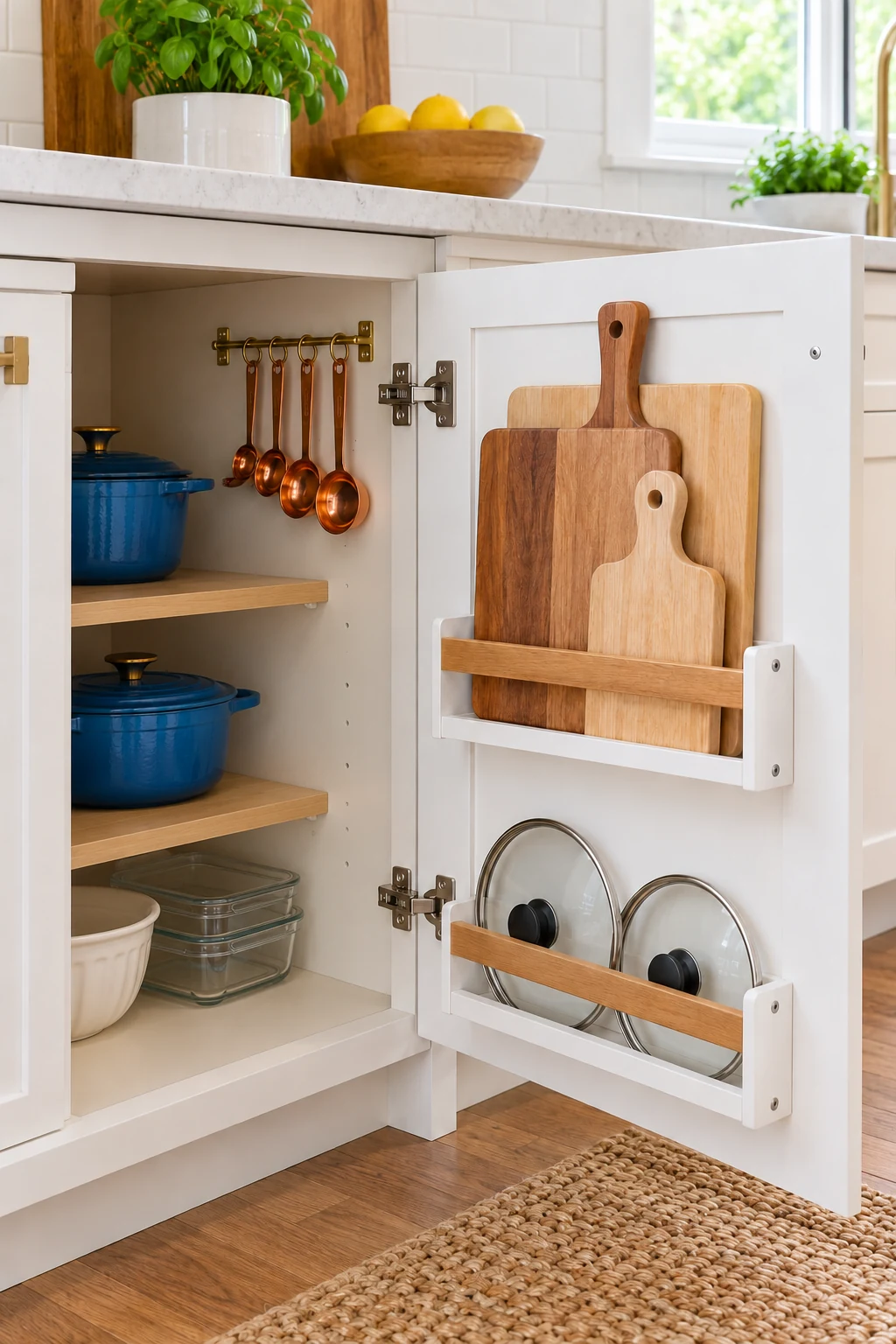
The inside of a cabinet door can offer a useful little pocket of storage, especially when the shelves behind it are crowded. The trick is finding objects that fit that pocket without bumping a shelf, straining the door, or getting in the way every time you open it.
These 24 cabinet door storage ideas cover kitchen essentials, utility supplies, and a few other small items around the house. Start with one door and measure the space behind it while it is closed. Choose a light, frequently used category, check the mounting instructions, and test the door before filling the organizer. You do not need to use every door to notice a difference.
This article contains affiliate links. If you buy through them, Havelyo may earn a commission. As an Amazon Associate I earn from qualifying purchases.
1. Map the empty pocket behind the closed door
Open the cabinet and look for the gap between the door and the front of the shelves. That pocket is the space you can borrow. Measure its depth at several heights, including around hinges, plumbing, and any shelf that comes close to the door.
Cut a cardboard outline of a proposed organizer and hold it in place while slowly closing the door. Include the contents in your test, especially protruding handles. A slim holder can still fail if the object inside it reaches farther into the cabinet.
2. Choose the mounting area before choosing the organizer
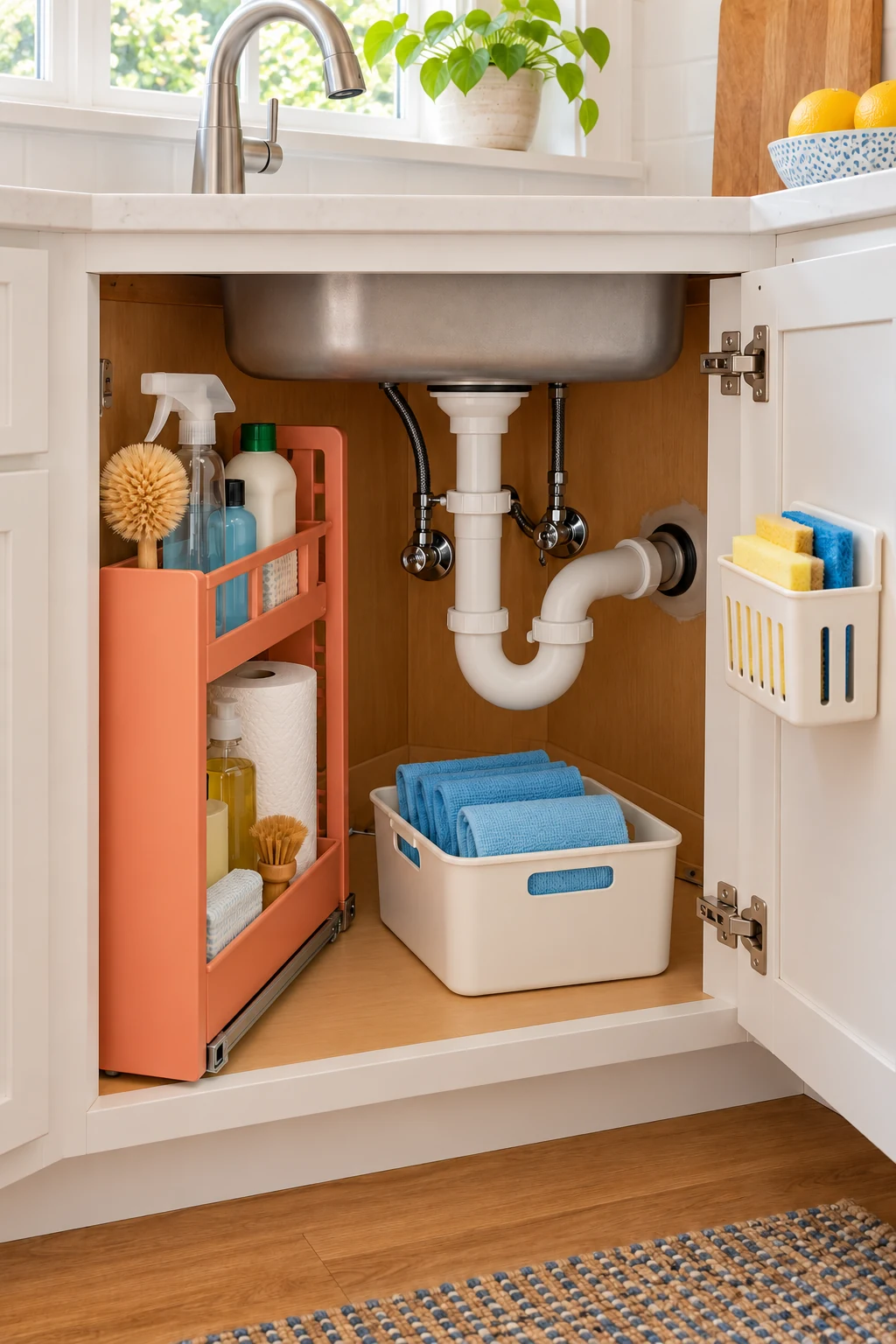
A recessed door panel and its thicker frame may support very different mounting methods. Check the cabinet maker’s guidance before adding screws, and measure the material thickness so a fastener cannot emerge through the front. Some thin panels simply are not a suitable mounting surface.
If holes are not allowed, consider a compatible over-door design or leave that door unused. Adhesive products need the specified finish, preparation, and curing time; they are not automatically damage-free. A secure installation matters more than filling every available inch.
3. Give small pan lids their own holders
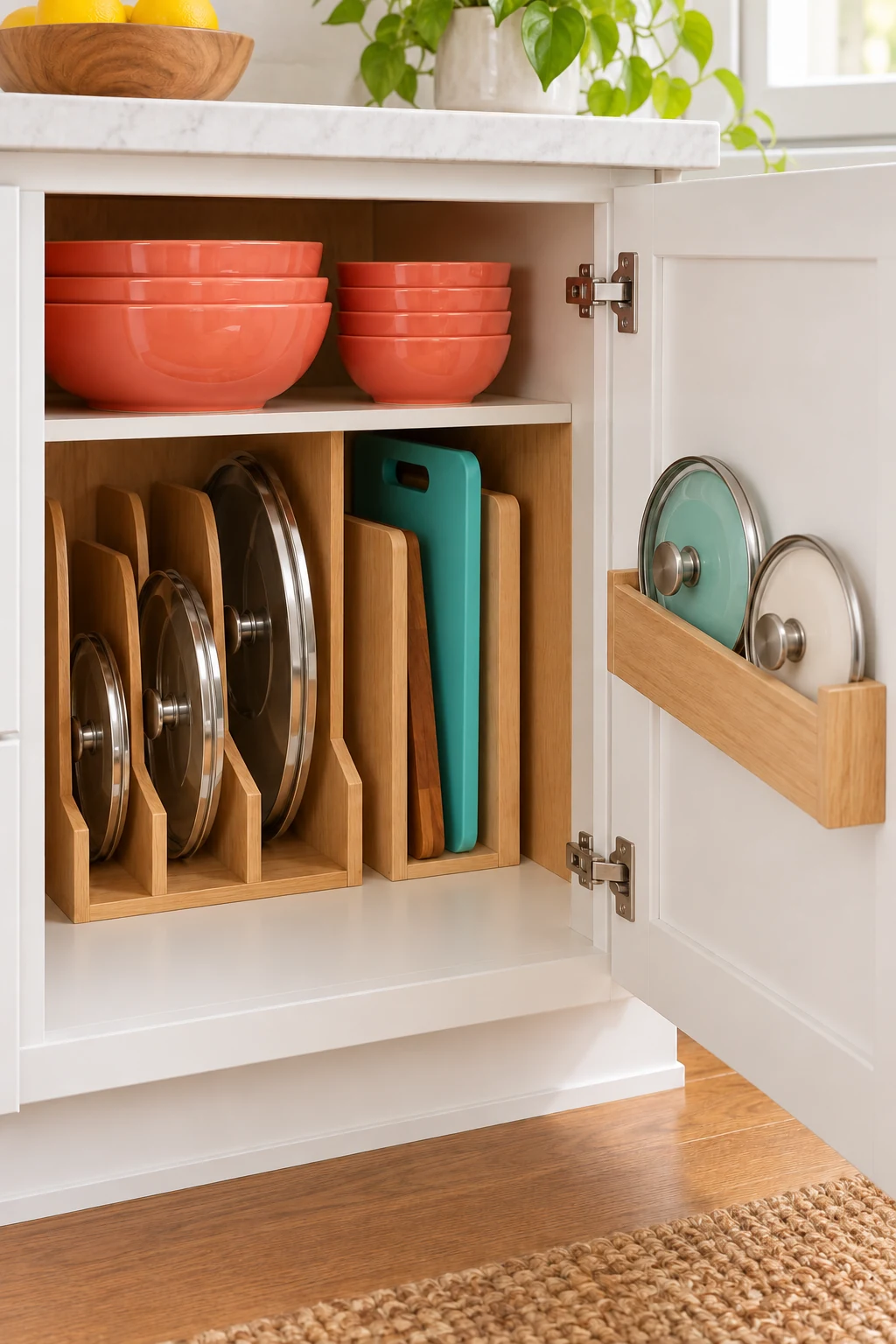
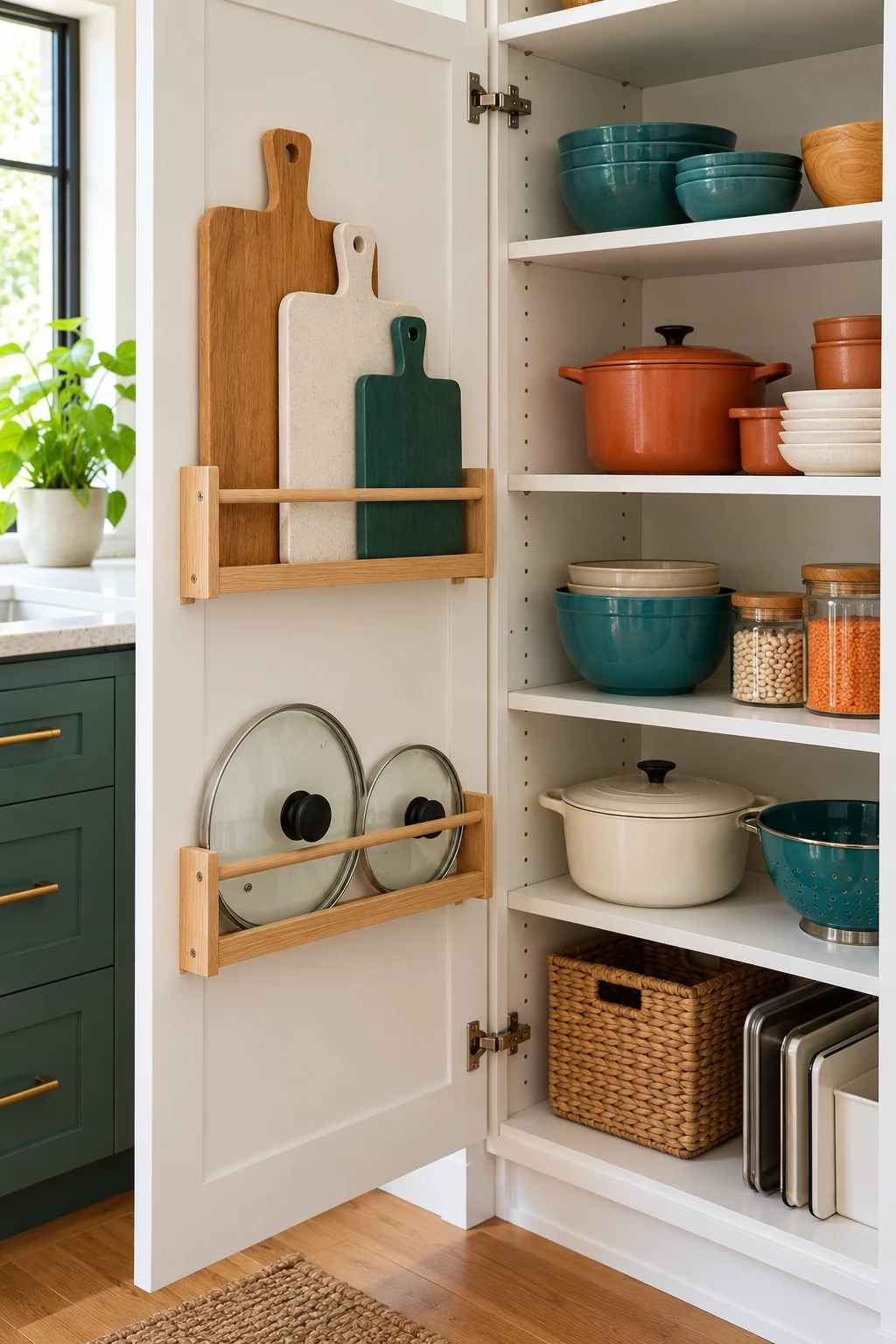
A few everyday lids can occupy the back of a cabinet door instead of sliding beneath the cookware. Space them according to their actual diameter and handle depth. Keep each lid clear of the shelf edge when the door closes, and avoid crowding lids against one another.
Joseph Joseph CupboardStore Gray Pan Lid Holders use adhesive mounting and come in a set of four. For a conservative fit, use flat lids about 6.3 to 9 inches across and no more than the listed 1.1 pounds each. Follow the surface restrictions and 24-hour wait before loading. View on Amazon.
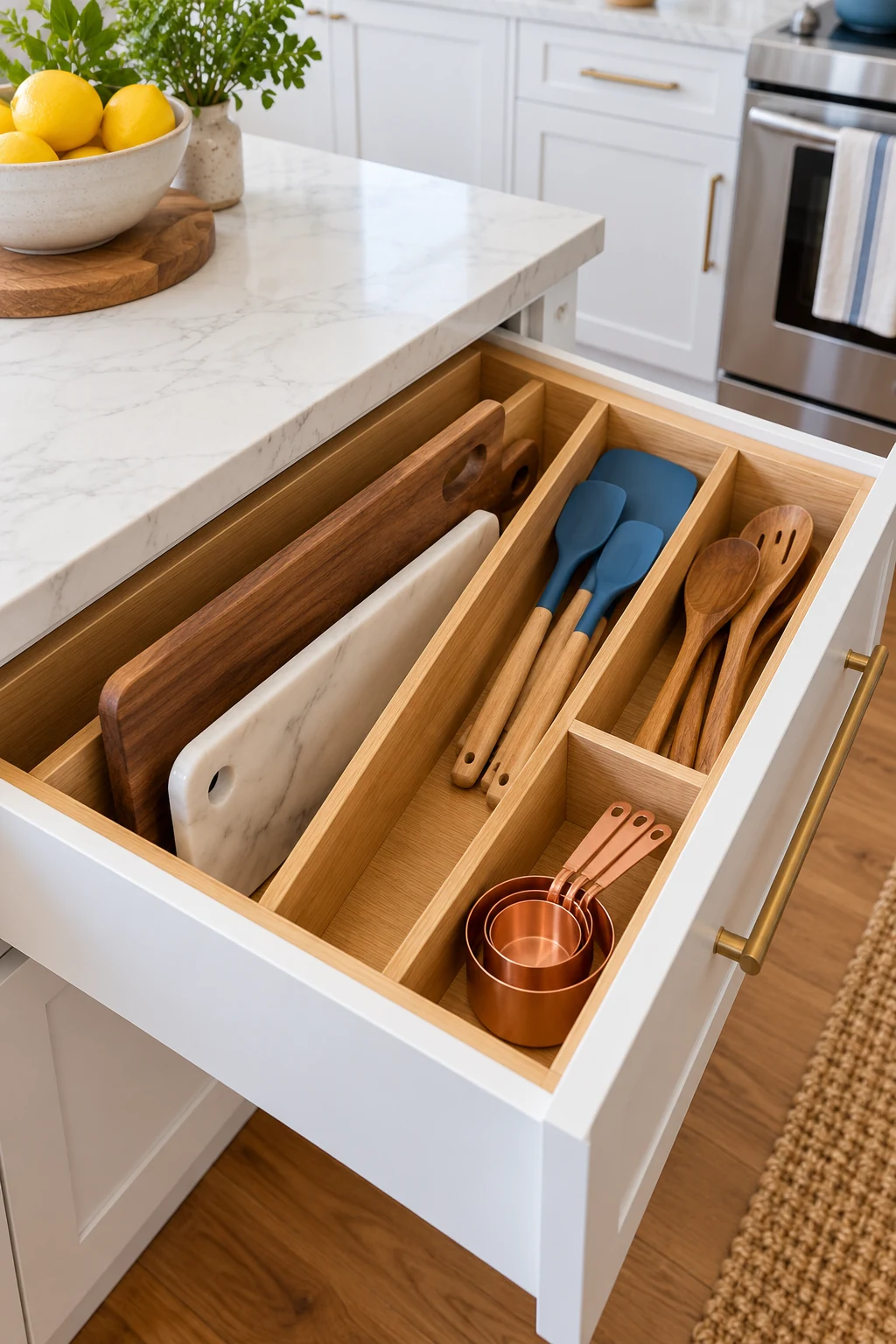
4. Stand lightweight cutting boards in a door basket
A narrow basket can move small cutting boards out of a stack and make their edges easy to grab. Choose boards that sit securely below the basket rim rather than tall, heavy boards that could tip when the door moves. Put them away fully clean and dry.
The Simple Houseware Over Cabinet Door Organizer in Silver is listed at 12.75 inches wide, 3.75 inches deep, and 18.5 inches high overall. Its basket interior is smaller, so compare both measurements with your boards. Check that the hooks allow the cabinet to close without rubbing. View on Amazon.
5. Store wrap boxes upright near the prep area
A purpose-made door rack can hold foil, parchment, and plastic-wrap boxes vertically beside the place you pack leftovers. Measure the longest box, including its end flaps, and choose a pocket deep enough to keep it from falling forward when the door opens.
Keep cutting edges inside their original boxes and orient openings so you can remove the whole box without scraping your hand. Oversized rolls may need a shelf instead. Leave the rack lightly filled so pulling one box does not drag all the others along with it.
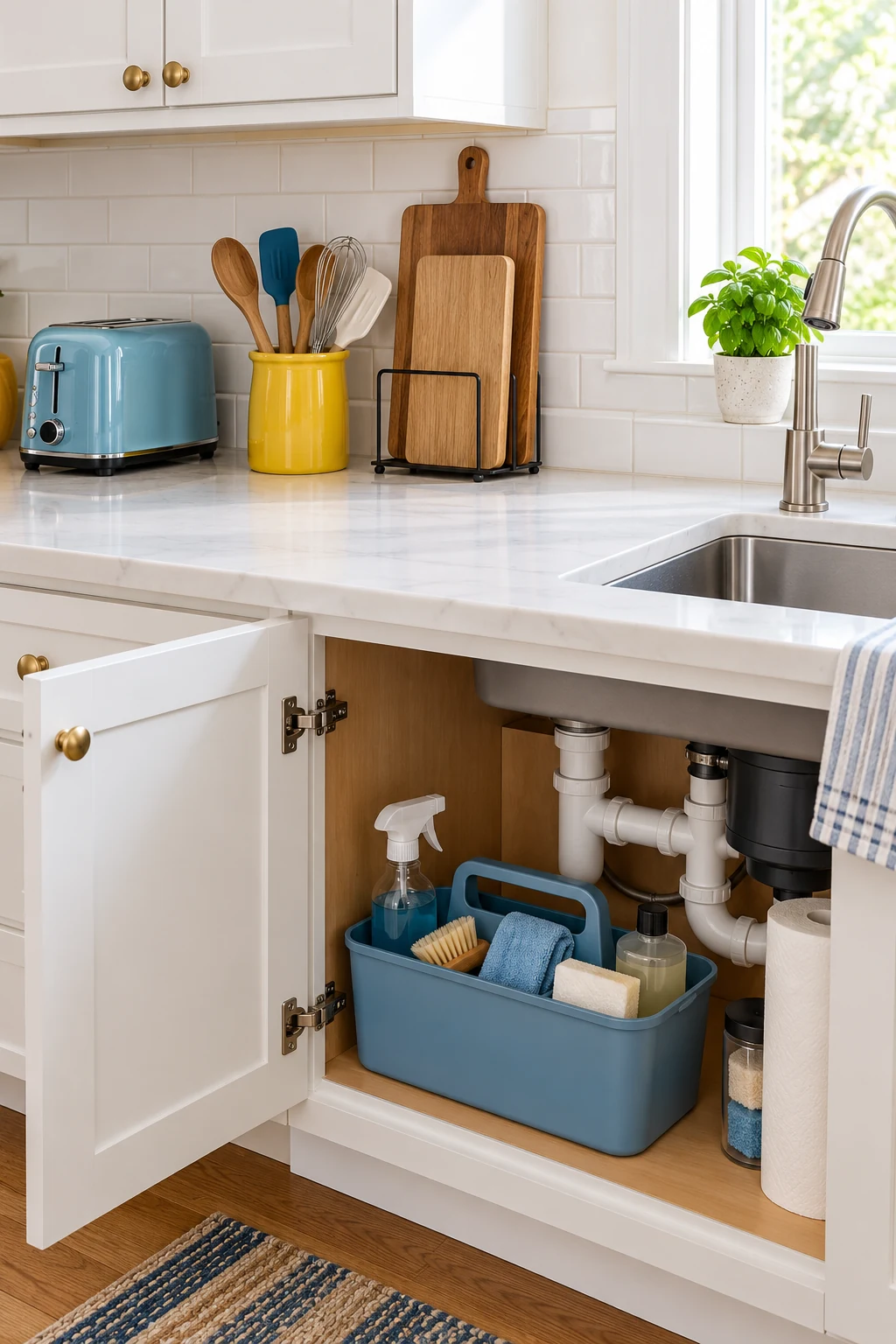
6. Hang measuring spoons where you bake
Small measuring tools are easy to lose beneath larger utensils. Hang a linked spoon set on its existing ring inside the cabinet where you keep baking ingredients. Place it at a comfortable height and let it hang freely without catching the shelf below.
Command Small White Wire Hooks are rated for light objects up to half a pound per hook. That suits a compatible lightweight spoon set better than a loaded utensil basket. Follow the package’s surface and removal directions, and leave the adhesive pull tab accessible rather than covering it with a label. View on Amazon.
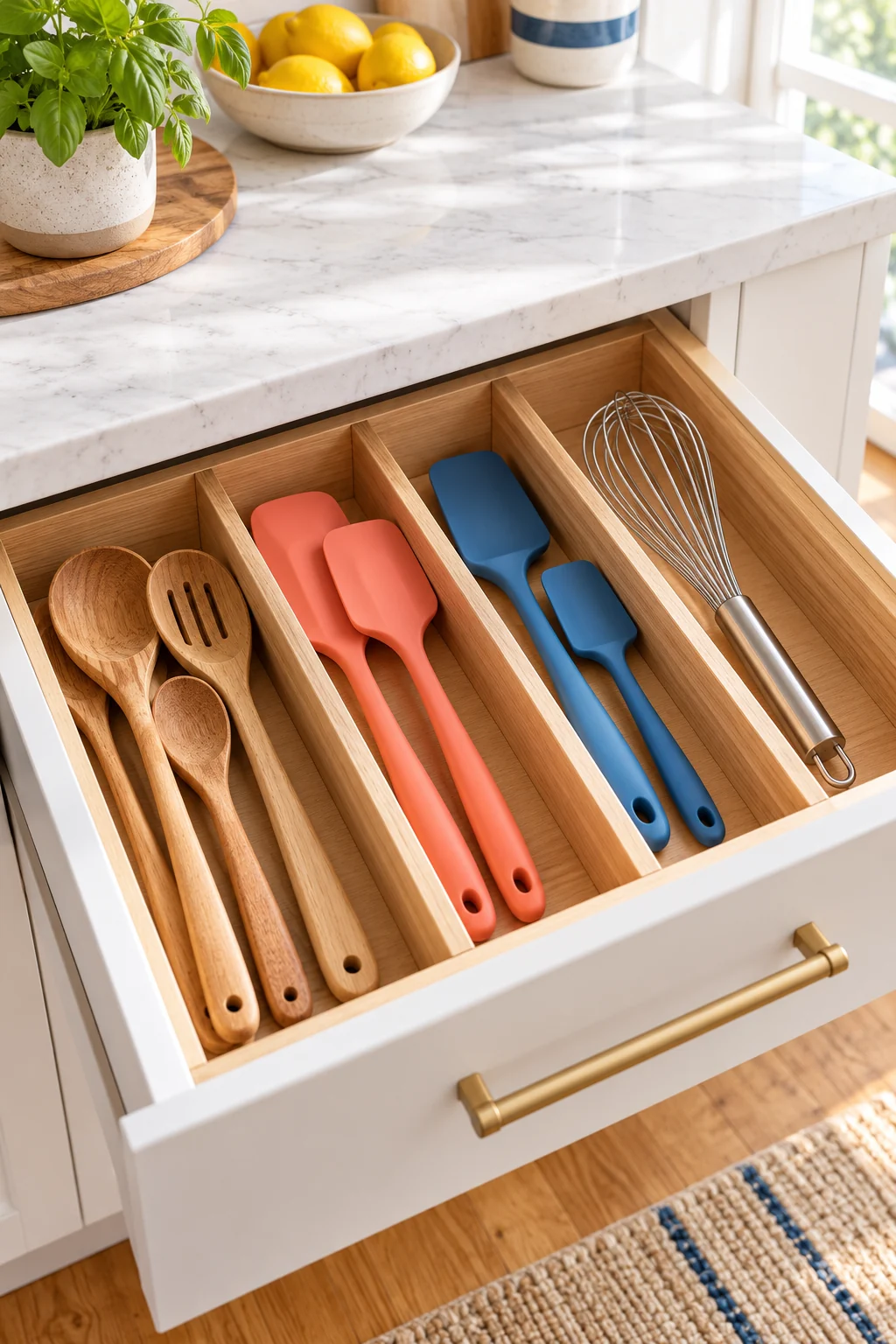
7. Keep oven mitts in an easy-to-reach spot
Hang a clean, dry oven mitt by its loop on an appropriate hook inside a nearby cabinet. This can clear a crowded drawer while keeping the mitt easy to find. Choose a door you can reach without leaning over an active burner or opening an oven.
Keep the fabric completely away from heat sources and door hardware. If a thick mitt prevents closure or gets pushed against cookware, use a roomier location. Check it regularly for wear and return it only after it has cooled and dried.
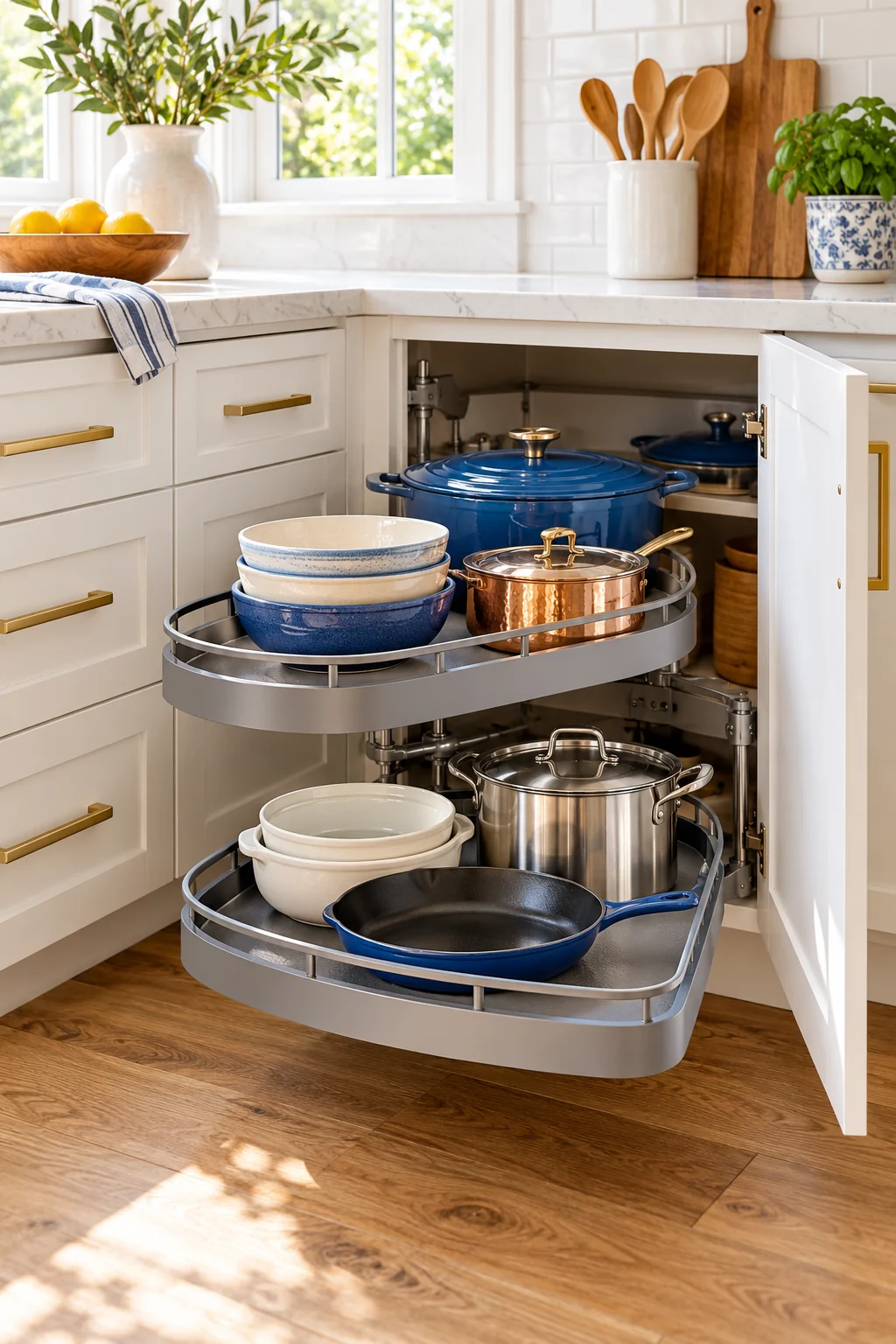
8. Corral rolled baking mats in a shallow pocket
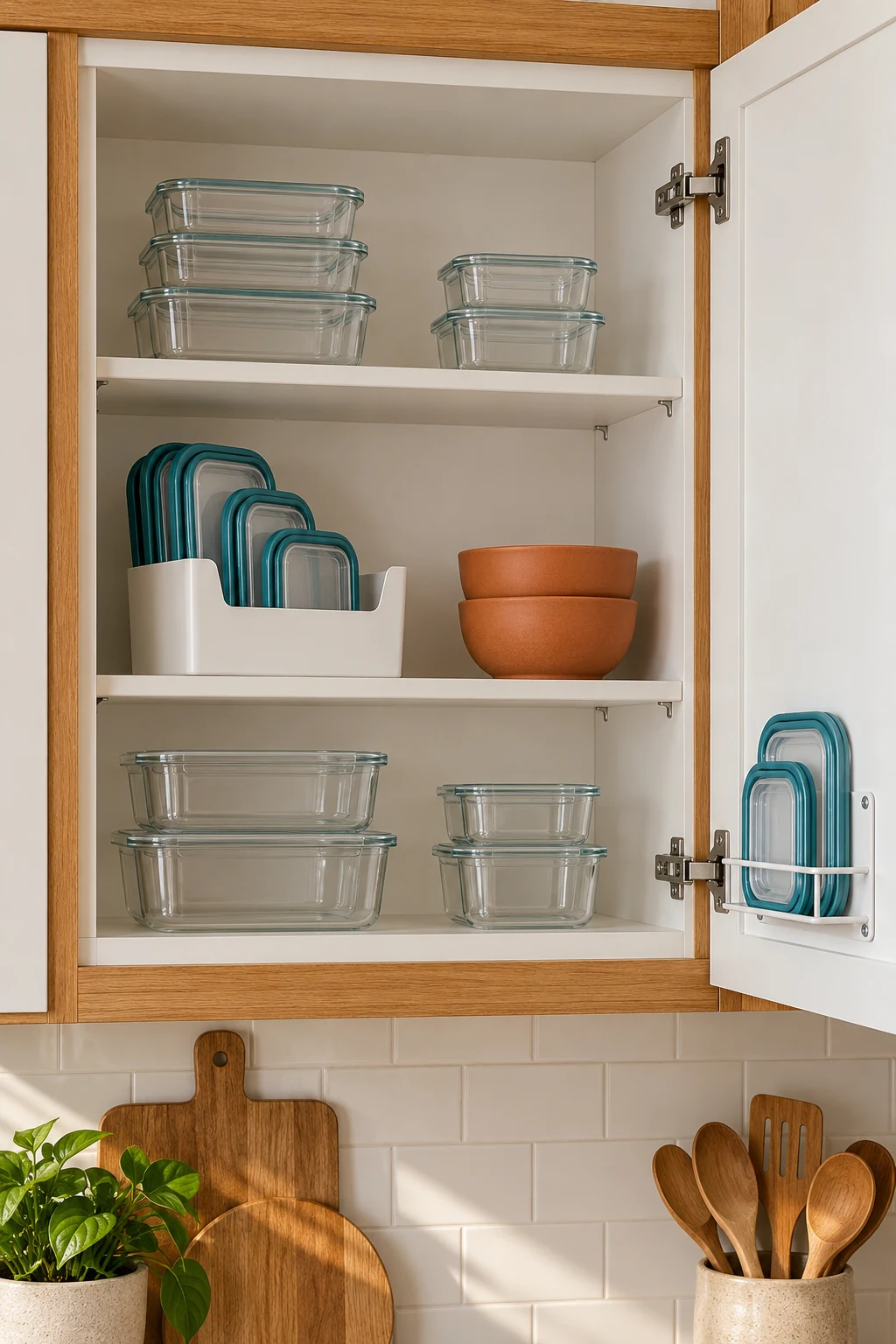
Flexible baking mats can spring open across a drawer when they have no defined home. If the care instructions permit rolling, gather each dry mat into a loose roll and use an appropriately sized door pocket to keep the rolls standing together.
Avoid tight creases and check that the pocket does not compress the material. Keep it separate from cleaning supplies and allow room to lift a roll straight out. Mats that must stay flat belong in a tray slot instead, even when a door pocket looks tidier.
9. Contain the reusable grocery-bag supply
Loose plastic grocery bags can spread through an entire lower cabinet. Give the clean bags you genuinely reuse one dispenser, and let its capacity set a useful limit. Keep the dispenser in a secure location away from children and pets.
The simplehuman Wall Mount Grocery Bag Dispenser has a top loading opening and front slot; the maker describes capacity for up to 30 bags. Its screw-or-adhesive mounting options need an appropriate surface and enough door clearance. Bulky bags take more room, so stop before retrieval becomes difficult. View on Amazon.
10. Fold shopping totes into one contained row
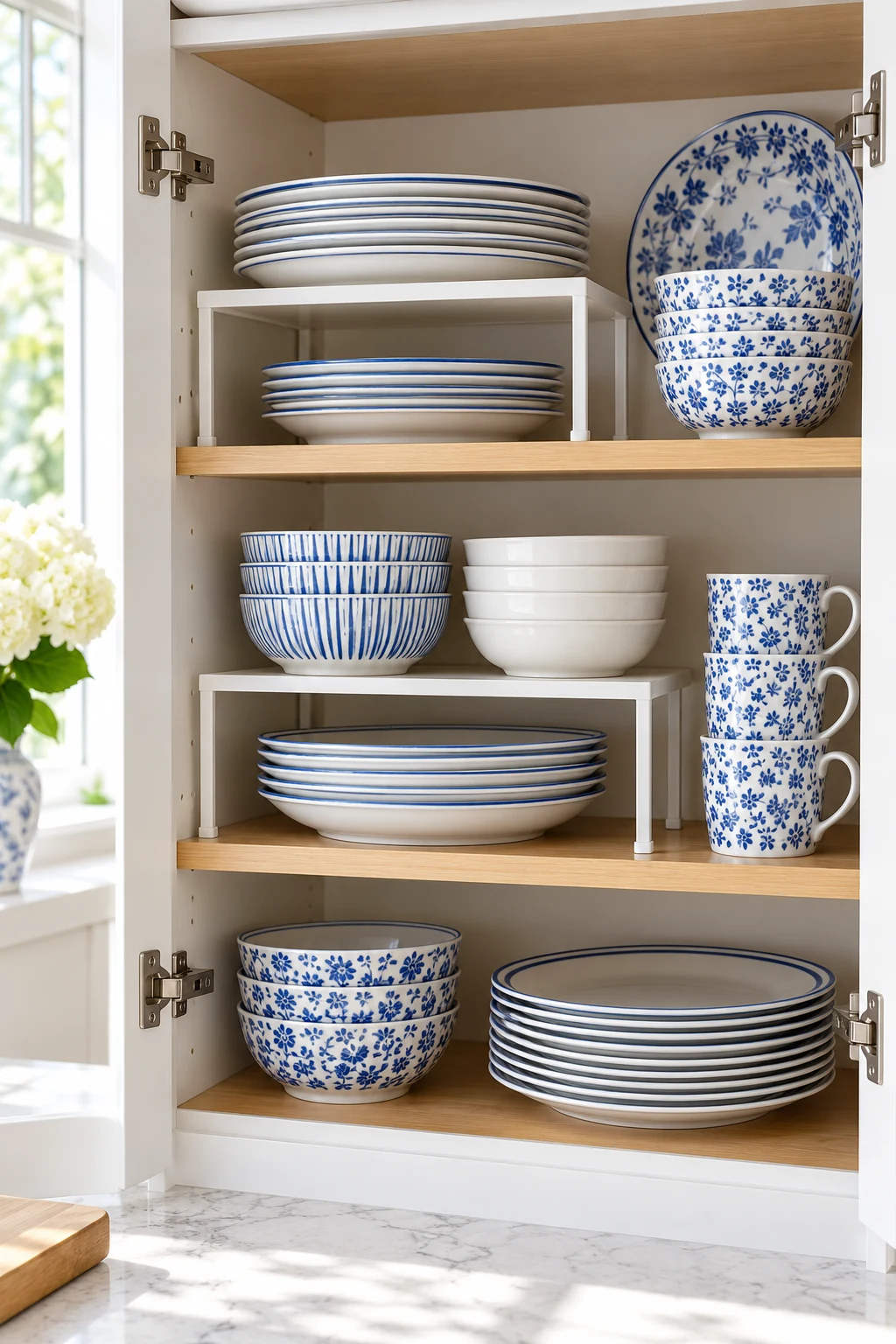
Fabric shopping bags can use a deeper door basket near the kitchen or entryway. Fold each bag into a manageable rectangle with its handles tucked in, then stand the bags in a row. Keeping them together makes it easier to take the whole set before shopping.
Wash and dry bags according to their care instructions before storing them. Reserve this spot for a realistic working supply rather than every promotional tote you own. If the basket bulges into the shelf area, reduce the contents instead of forcing the door closed.

11. Make a pocket for lunch-packing extras
A door pocket beside lunch containers can collect a few clean ice-pack sleeves, reusable napkins, or empty snack pouches. Separate these lightweight extras from the main container stack so you can see them while choosing a lunch box.
Store only clean, dry items and keep anything that requires refrigeration or freezing in the appropriate appliance. An insulated lunch bag is often too bulky for a narrow cabinet door; use the pocket for its smaller companions and keep the bag on a nearby shelf.
12. Keep recipe cards flat in a sleeve
A shallow mounted sleeve gives frequently used recipe cards a home in the cabinet where you gather ingredients. Use a removable card system so recipes can come to the work area while cooking and return afterward. This is especially useful when paper otherwise gathers beneath jars.
Choose a sleeve compatible with the mounting surface and keep it outside steam and splashing areas. Store copies of everyday recipes rather than irreplaceable originals. If the sleeve becomes a thick archive, move the less-used recipes elsewhere so the door still closes freely.
13. Create a tea-packet pocket
Individually wrapped tea bags can fit in a shallow compartment inside a mug cabinet. Group a small working selection by type and position packet tops where you can read them. This can free shelf space while keeping tea beside the cups.
Follow the tea maker’s storage directions and keep the cabinet cool and dry. A door that sits beside a steamy appliance is a poor choice. Loose tea needs its own suitable container; a decorative open pocket is only an organizing location, not protective food storage.
14. Use a small shelf for sealed snack portions
A shallow retaining shelf can hold a few sealed snack packets on a pantry-style cabinet door. Put similar sizes together so tall wrappers do not hide smaller portions. Keep the selection modest and use the main pantry shelf for larger backup packages.
Check that the packets stay contained when the door moves and that nothing presses against the shelving inside. Store food separately from household chemicals and according to package directions. Glass jars and heavy cans usually demand more support than this lightweight setup is intended to provide.
15. Give clean cloths a separate basket
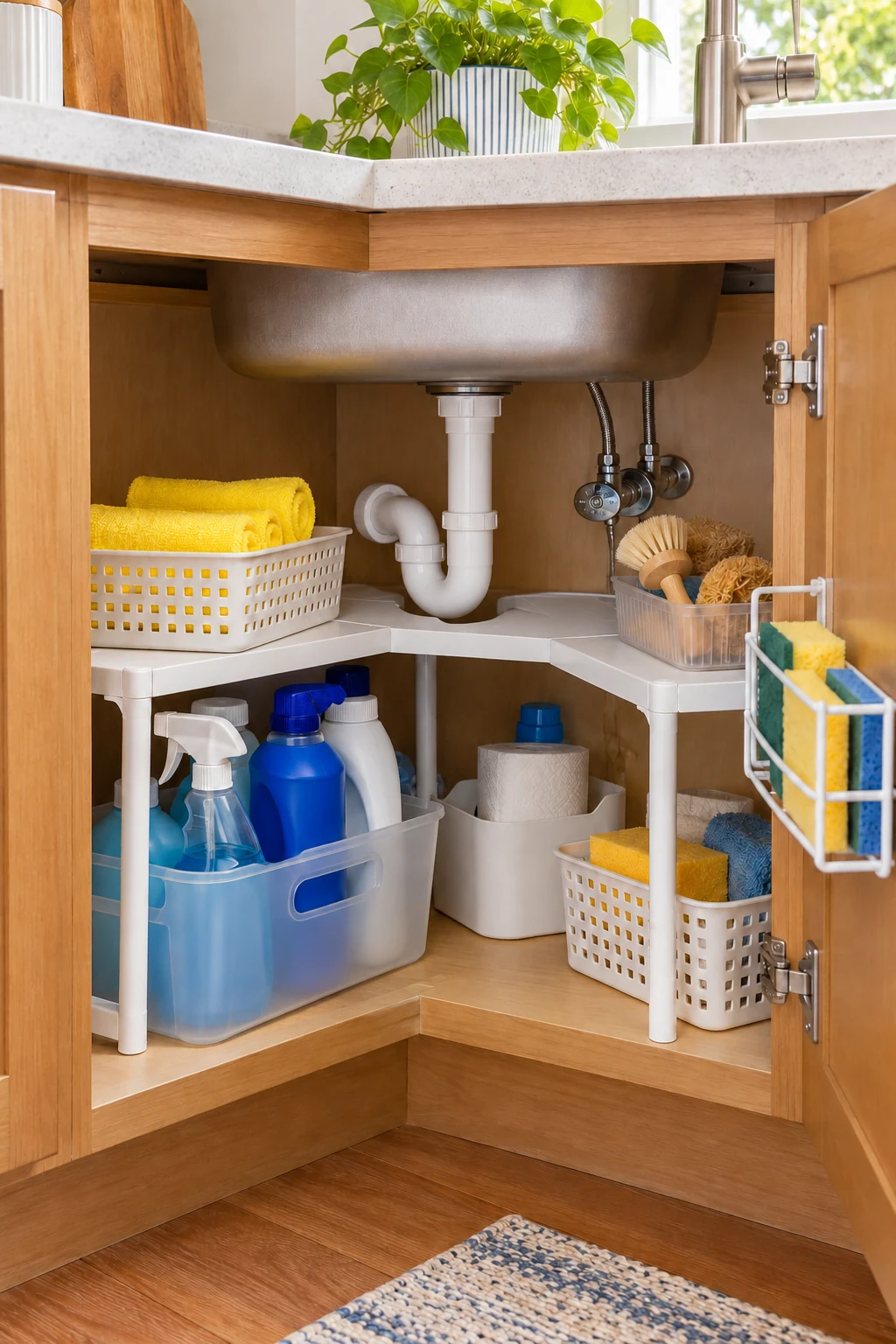
A few folded microfiber cloths can move from a crowded drawer to a small door basket in a utility cabinet. Separate cloths by purpose so a cleaning rag does not become confused with a cloth used around food preparation. Simple labels can help a shared household keep the system straight.
Put cloths away fully dry and keep the basket clear of leaks, plumbing access, and exposed hardware. Damp cloths need a suitable drying location before enclosed storage. Limit the basket to the supply you reach for often, with bulky backups on a shelf.
16. Clip dry cleaning gloves together
A pair of gloves can hang from a suitable clip inside a cleaning cabinet instead of disappearing behind bottles. Clip them in a way that does not stretch or damage the material, and keep the pair together so you do not have to search for a missing glove.
Let gloves dry according to their care guidance before enclosing them. Keep them separate from food tools and out of children’s reach. If the cuffs or fingers snag on a hinge, reposition the clip rather than shortening the usable door opening.
17. Move a compatible spray bottle off the shelf
A dedicated bottle hanger can lift one frequently used cleaner from a crowded cabinet floor. Pick a location with enough room for the whole bottle, including its trigger, and keep cleaning products in their original labeled packaging in a secure cabinet.
Command Spray Bottle Hangers are designed for conventional spray bottles, with the maker listing a 2.5-pound limit. Check the bottle shape and filled weight before mounting. Follow all adhesive directions, and keep the bottle away from food, plumbing valves, and items it could drip onto. View on Amazon.
18. Suspend a lightweight scrub brush by its loop
A small hand brush can hang inside the cleaning cupboard once it is clean and fully dry. A hook through the built-in loop keeps its bristles from getting squashed beneath other supplies. Position it where you can remove it without handling the bristles.
Use a hook rated for the brush and the specific mounting surface. Keep dirty tools separate from clean cloths, and use a suitable open drying spot before returning a wet brush. The cabinet door works best as storage rather than a place to trap moisture.
19. Use a tall utility door for a dry broom
A full-height utility cabinet may have enough uninterrupted door space for a lightweight broom. Test both the handle and broom head through the complete door swing. The handle should not strike shelves, and the head should stay clear of the floor and cabinet frame.
A Command Broom Gripper holds a compatible 0.8- to 1-inch handle and is rated to 4 pounds. Follow its surface instructions and keep it at least a foot from sink or water areas and beyond splash range. Use this for a dry broom, with the cabinet and hinges capable of supporting it. View on Amazon.
20. Keep mesh laundry bags beside the hamper
A laundry cabinet door can hold empty mesh wash bags on a small compatible hook. Group the bags by size and keep their zippers closed so they do not snag one another. Having them near the sorting area makes delicate-item preparation simpler.
Only empty, dry bags belong here; wet laundry needs appropriate handling rather than enclosed storage. Keep the hook and hanging bags clear of laundry-appliance doors, hoses, and required ventilation. If the cupboard is too cramped, move the bags into a nearby drawer.
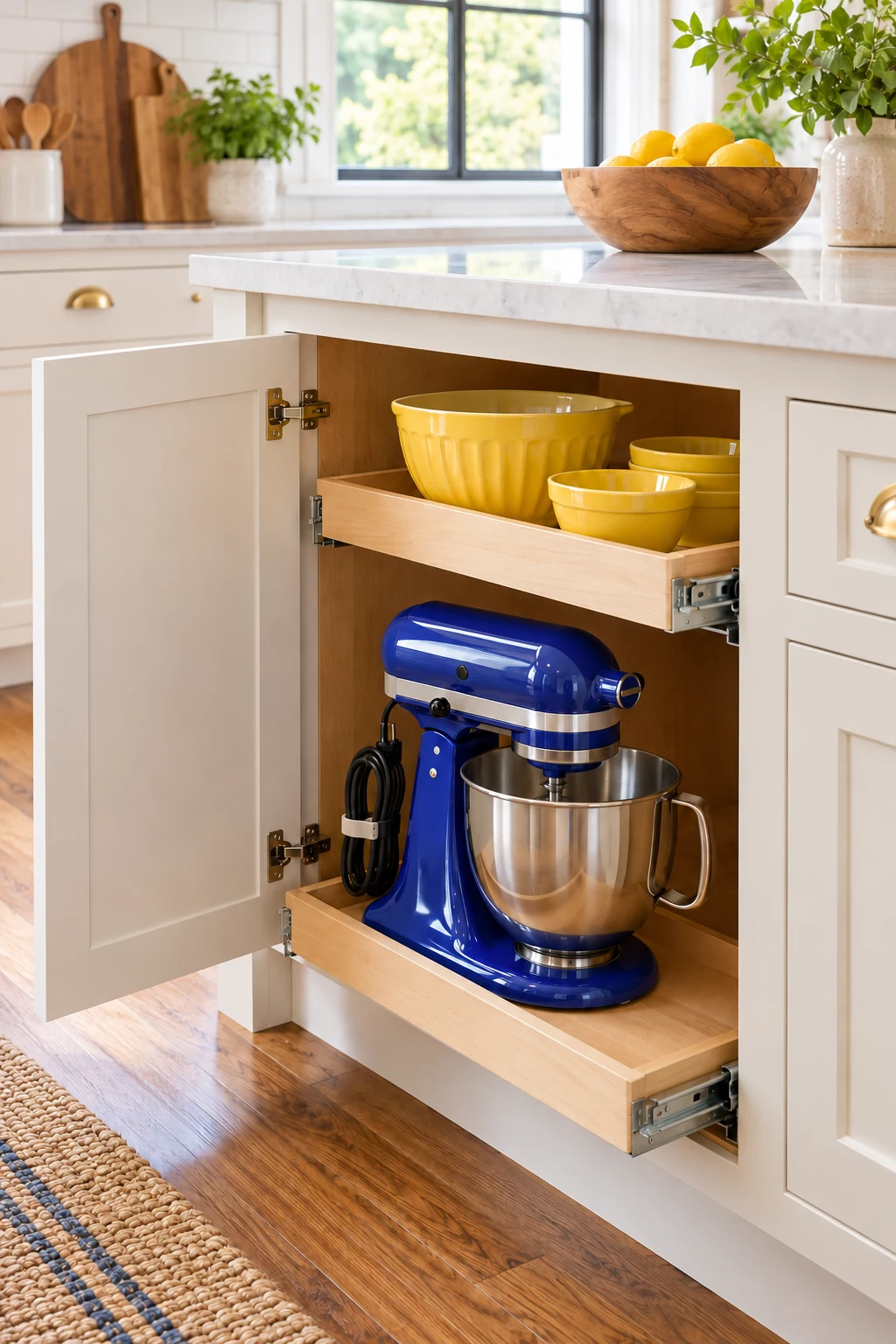
21. Store cooled hair tools behind a vanity door
A vanity door can provide a home for a hair dryer and a few styling tools, freeing a drawer for smaller toiletries. Measure around drainpipes and check that handles and cords remain inside the cabinet footprint when the door shuts.
The Simple Houseware Cabinet Door/Wall Mount Hair Dryer Tools Organizer measures 14.3 inches high, 10.7 inches wide, and 5.3 inches deep when door-hung. Use it only for unplugged, fully cooled tools; no hot-tool storage rating was verified. Keep the installation dry and never pinch cords in the door. View on Amazon.
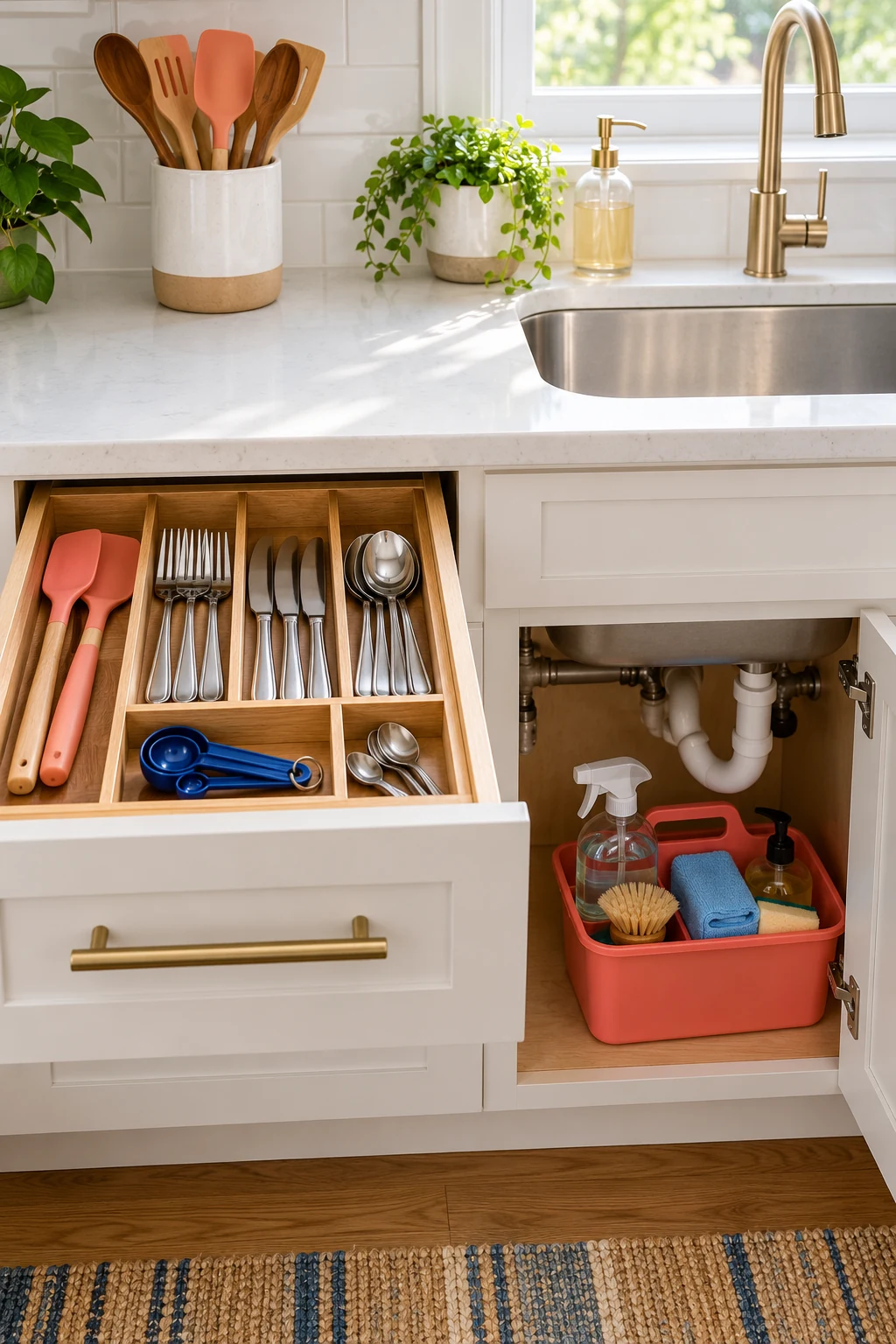
22. Separate hair accessories in small door pockets
Lightweight clips, scrunchies, and spare headbands can fit in small compartments behind a dry vanity or wardrobe cabinet door. Give each type a separate pocket, with the smallest pieces high enough to stay visible rather than settling beneath larger accessories.
Choose pockets with smooth edges so elastics and fabric do not snag. Store only the everyday selection here, and keep tiny accessories secure from young children. This arrangement should clear a shallow drawer without turning the door into a crowded display.
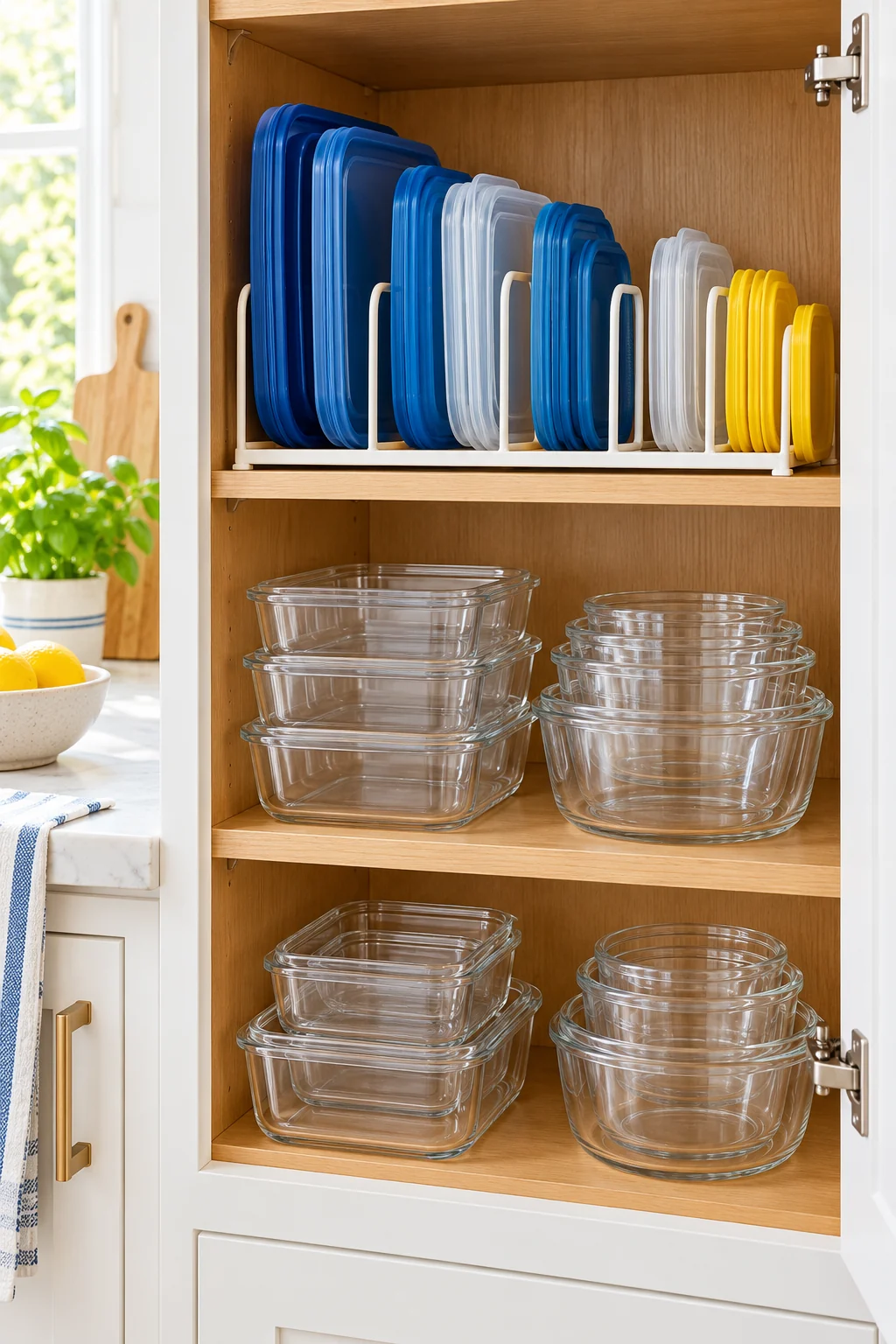
23. Put office refills on the inside of a cabinet
A slim cabinet-door organizer can hold sticky-note pads, envelopes, or spare pens near a home workspace. Reserve the interior shelves for larger equipment and place the refills where you can see when a category is running low.
Use shallow pockets that support the paper without curling it and keep the total load within the organizer’s instructions. Do not attach accessories to a door that must stay clear for equipment ventilation. A small refill station is useful; a door covered in heavy office supplies is harder on hinges.
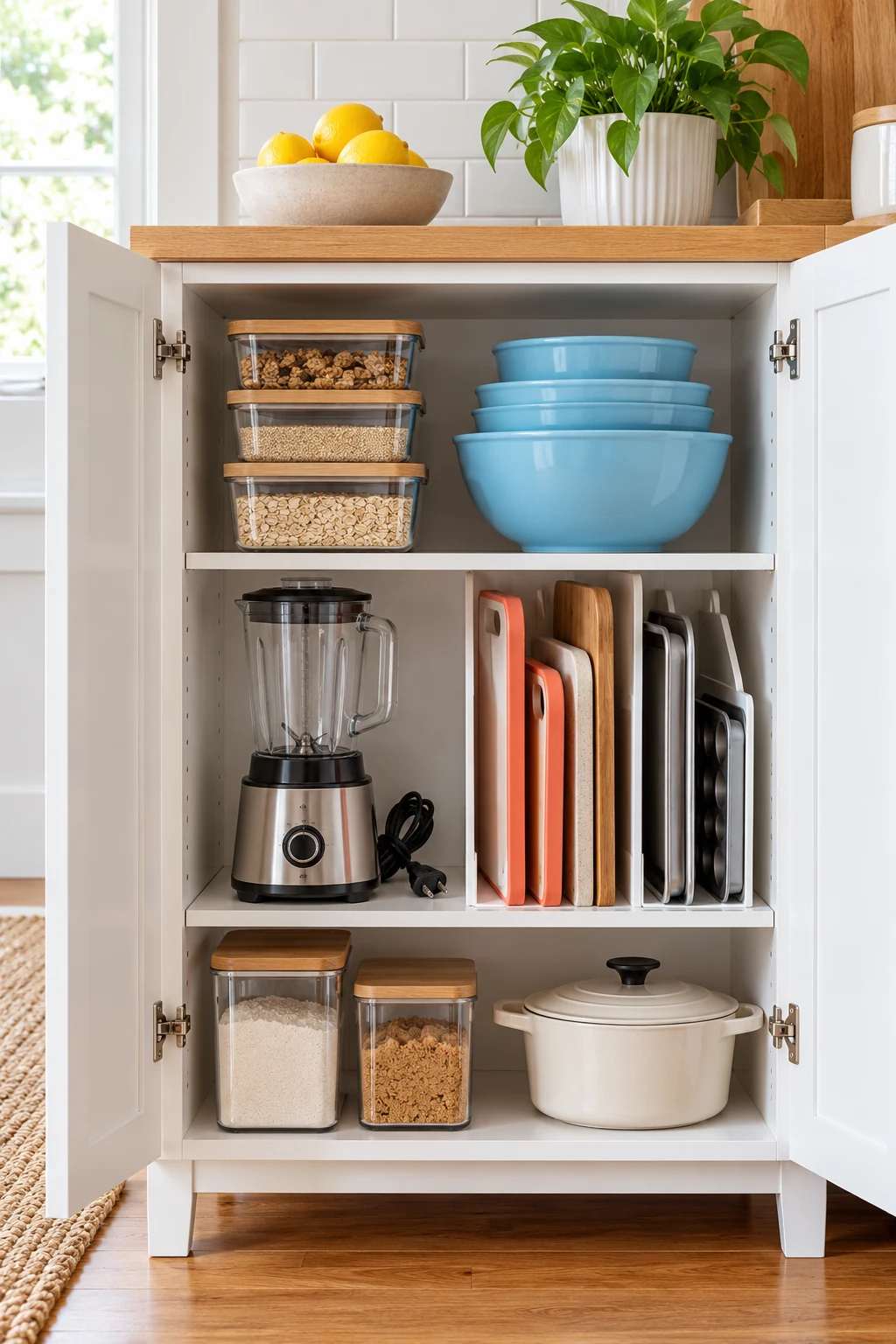
24. Label the landing spots and test the daily routine
Once the door storage is installed, label only the locations that people might confuse: food cloths versus cleaning cloths, or reusable pouches versus bags to recycle. Put the label on the holder so it remains visible when the item is in use.
Open and close the door slowly with everything loaded, then revisit the layout after normal use. Move anything that rattles, catches, or makes the door sag. The best improvement may be removing one pocket so the remaining items are genuinely easy to reach.

Choose one cluttered shelf and look for a small, lightweight category that could move to a suitable door. Measure, test the fit, and keep the arrangement easy to use. Subscribe to the Havelyo email list for more small-space decorating and organization ideas.