
Closet Organization
22 Wire Closet Shelving Ideas for a More Organized Wardrobe
Wire shelving can give a closet useful storage without the depth of a full cabinet, but small items can tip between wires and folded clothes can become messy on an uneven surface. The right containers and layout make the existing shelves easier to use.
These 22 wire closet shelving ideas focus on practical fit, access, and care. Begin by identifying the shelf system and checking its condition and instructions before adding weight or changing the layout. A liner improves the storage surface; it does not strengthen a shelf, replace a support, or increase the system's rated capacity.
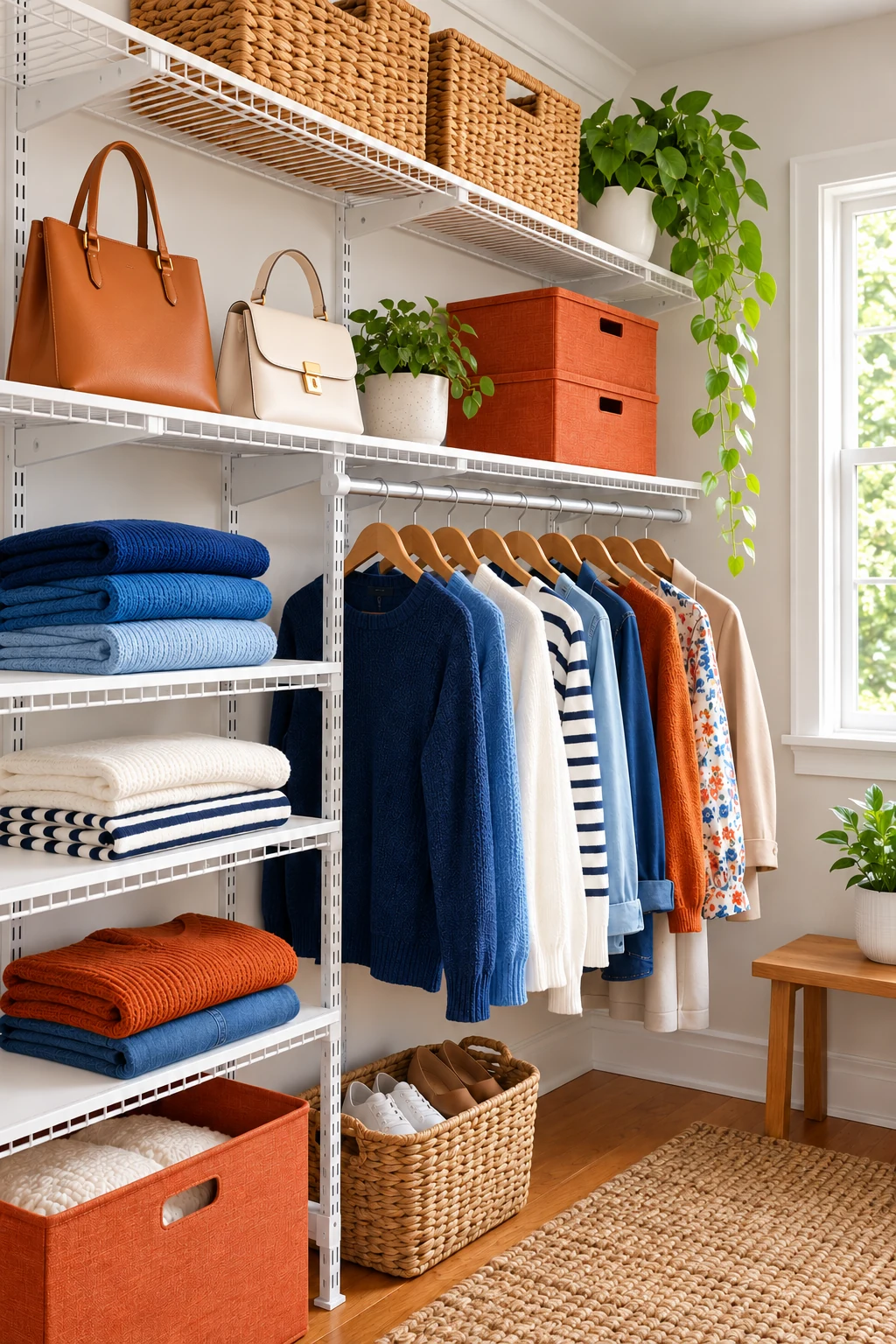
This article contains affiliate links. If you buy through them, Havelyo may earn a commission. As an Amazon Associate I earn from qualifying purchases.
Start with the shelf system you actually have
1. Identify fixed and adjustable components first
Look for the maker and model of the shelving before planning changes. A wall-mounted fixed shelf, an adjustable track system, and a freestanding wire rack use different supports and accessories, even when the wire coating looks similar.
Keep a photo of brackets, rods, and attachment points with the relevant instructions. Choose replacement parts approved for that exact system rather than assuming similar-looking pieces are interchangeable. If the system cannot be identified, get manufacturer or qualified installation guidance before changing structural parts.
2. Resolve damage before reorganizing the load
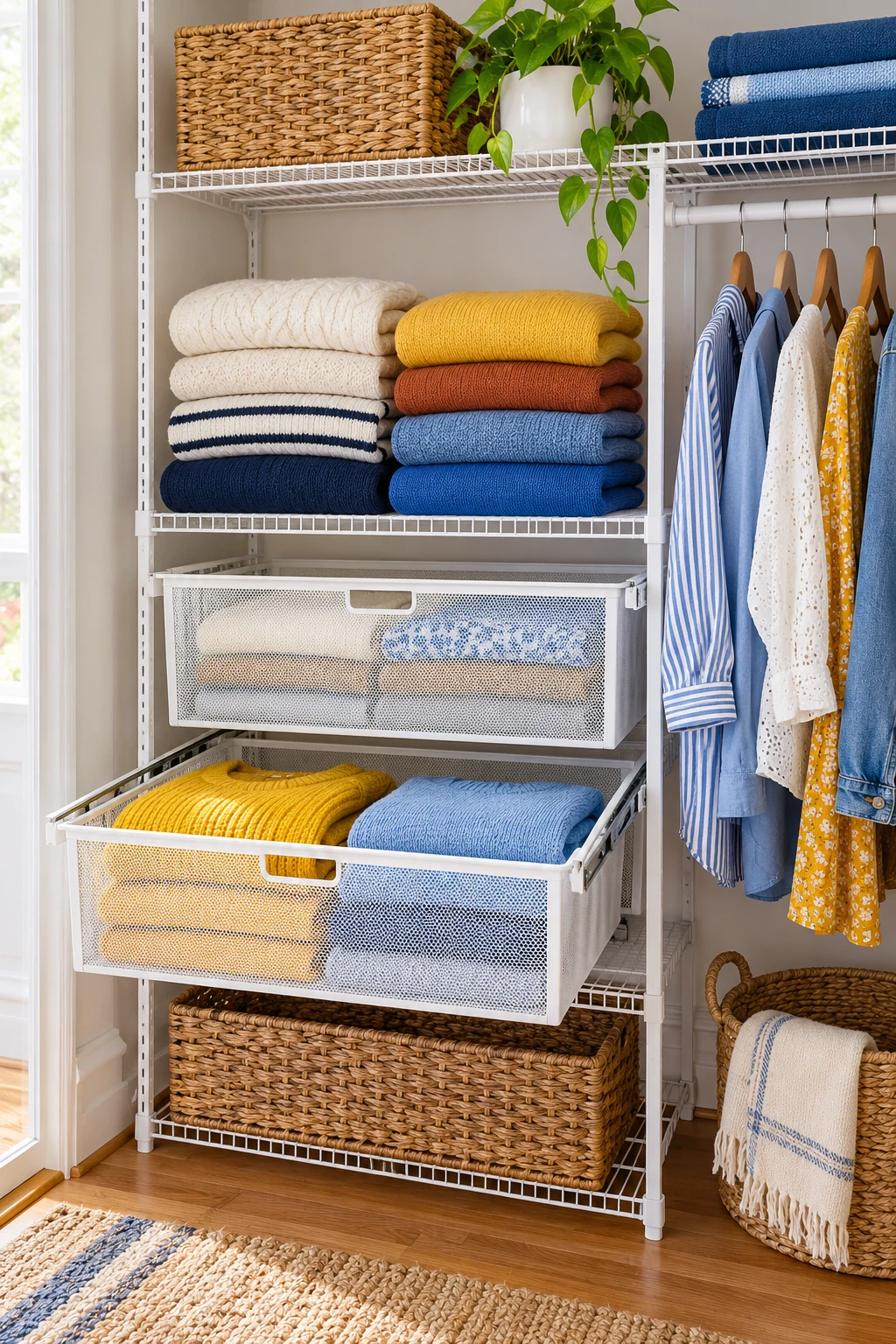
Empty a section if you notice loose supports, bent wires, missing caps, or movement that does not appear normal. Organizing around an unstable shelf leaves the underlying problem in place and can make the defect harder to see.
Follow the manufacturer's repair or replacement guidance and use appropriate professional help when the wall or fastening is uncertain. Do not add generic zip ties, extra adhesive, or an improvised prop as a substitute for required hardware. Reload only after the support problem is properly resolved.
3. Choose an adjustable system only when its layout helps
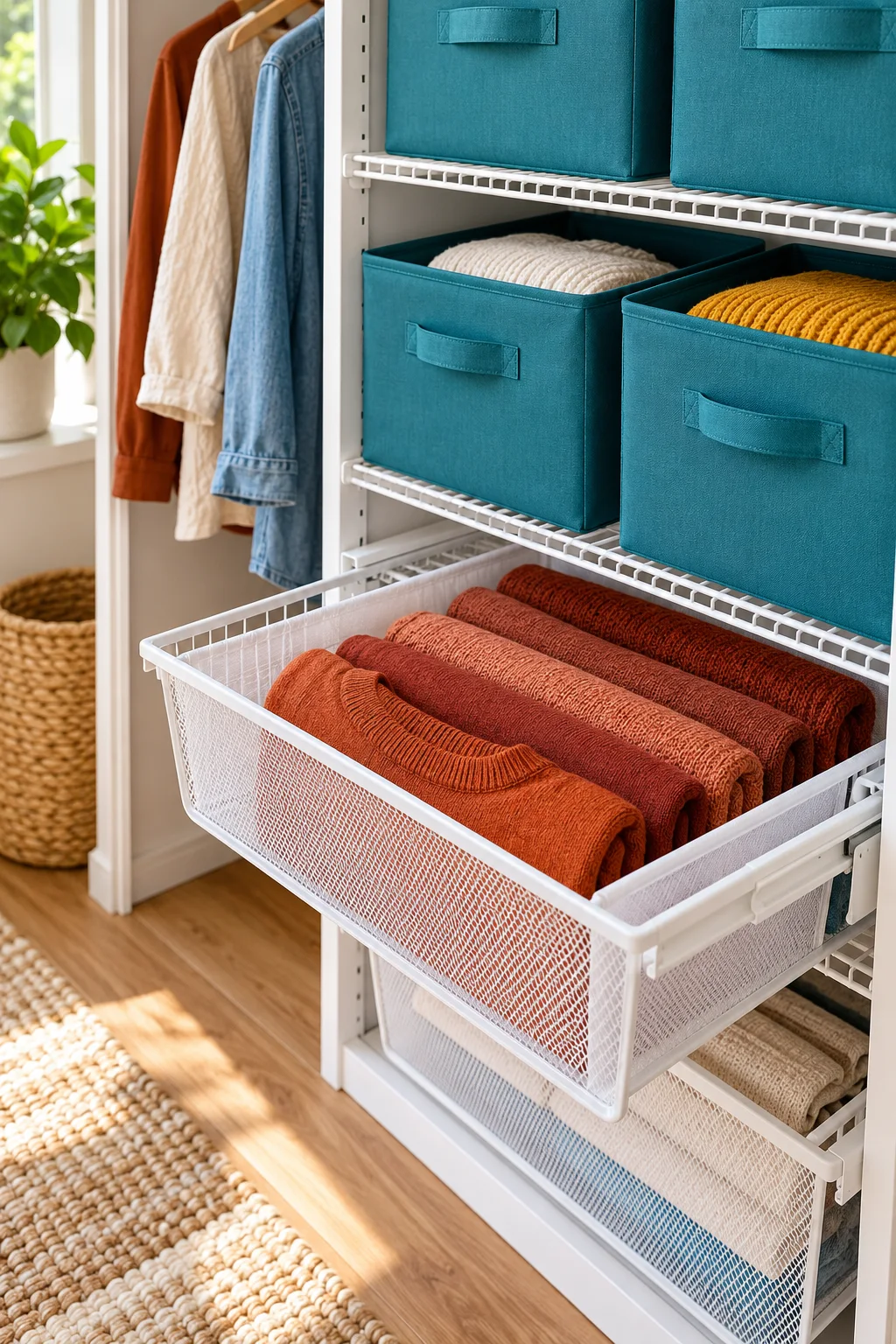
If the existing shelving cannot accommodate your wardrobe, an adjustable wire system may allow more useful shelf and hanging positions. Sketch the actual clothing categories first, including long garments and reachable folded storage, before deciding whether replacement is worthwhile.
The Rubbermaid Configurations Deluxe Custom Closet Kit in Titanium is an example of a wall-mounted system marketed for 4-to-8-foot closets. Check the exact kit, wall construction, permitted configuration, and current installation instructions. The stated width range alone does not establish fit, load capacity, or adequate fastening. View on Amazon.
4. Measure clear shelf space between obstructions
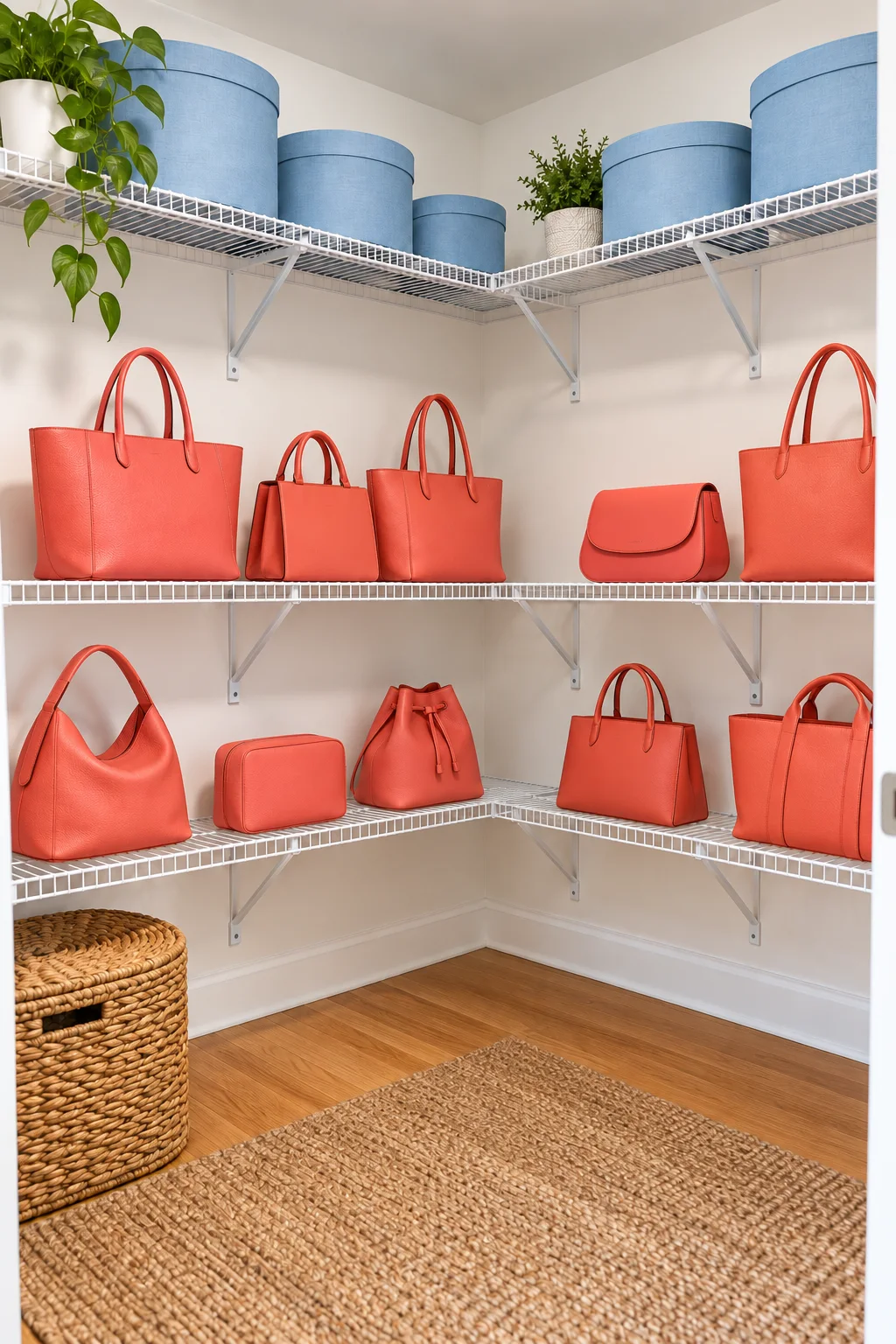
Measure usable depth and width between uprights, brackets, walls, and the front shelf lip. A container may fit the nominal shelf size but collide with a support or fail to pass through the closet opening.
Test an empty box in the intended position and practice pulling it out. Account for the hand space above the handle and any clothing hanging below. Keep bins fully supported rather than letting them project beyond the shelf because the closet door can still close.
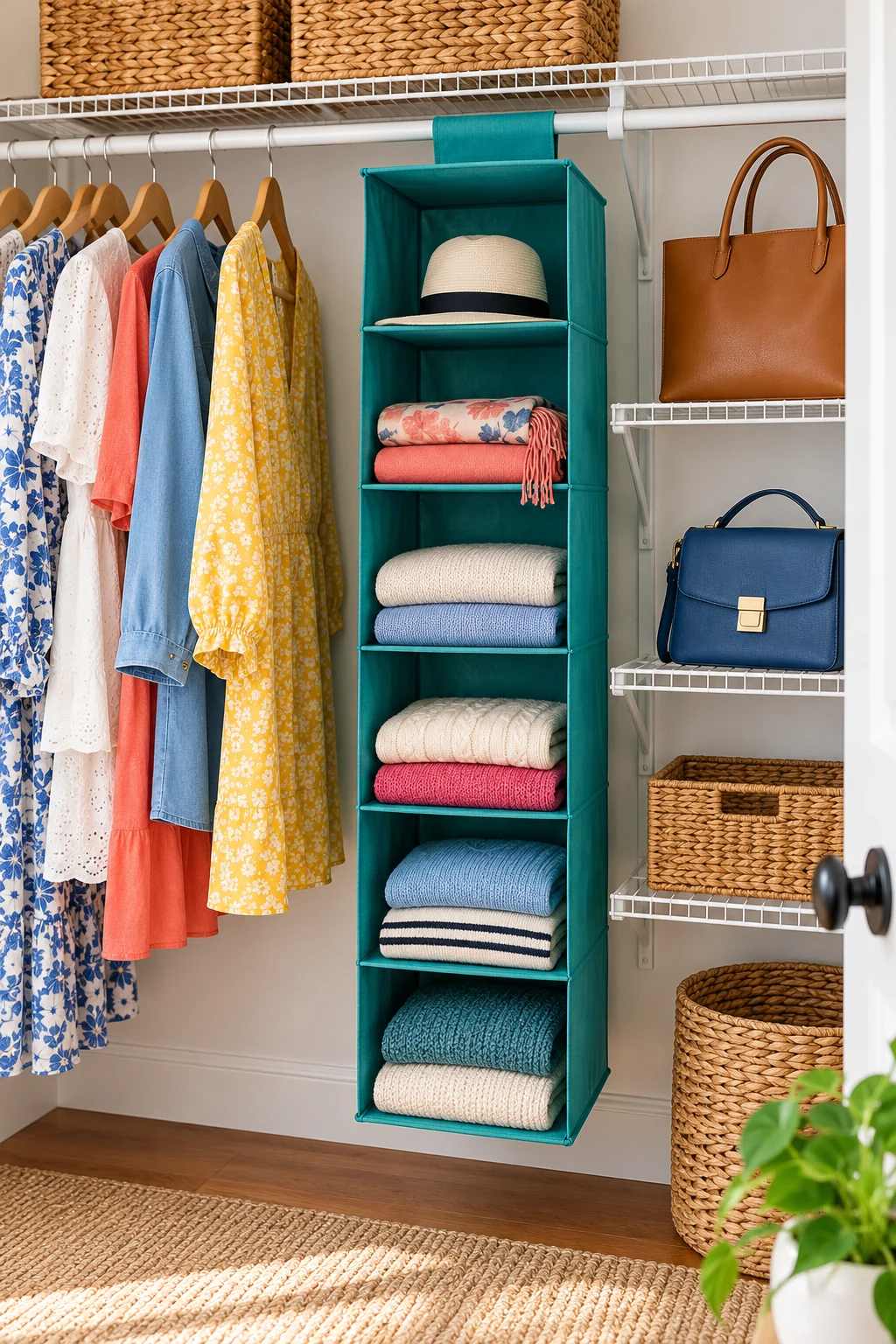
Make the wire surface work for small items
5. Add a compatible liner where small items need support
Use a shelf liner intended for the wire system beneath categories that tip or catch between the wires. Start with a small area holding accessories instead of covering every shelf automatically, then check how easily the surface can be cleaned.
The white ClosetMaid 1126 Shelf Liner Roll is listed for 12-inch-deep ClosetMaid wire shelves and comes in a 10-foot roll. Match your shelf depth and follow its trimming and placement guidance. It smooths the surface but does not increase the shelf's load rating. View on Amazon.
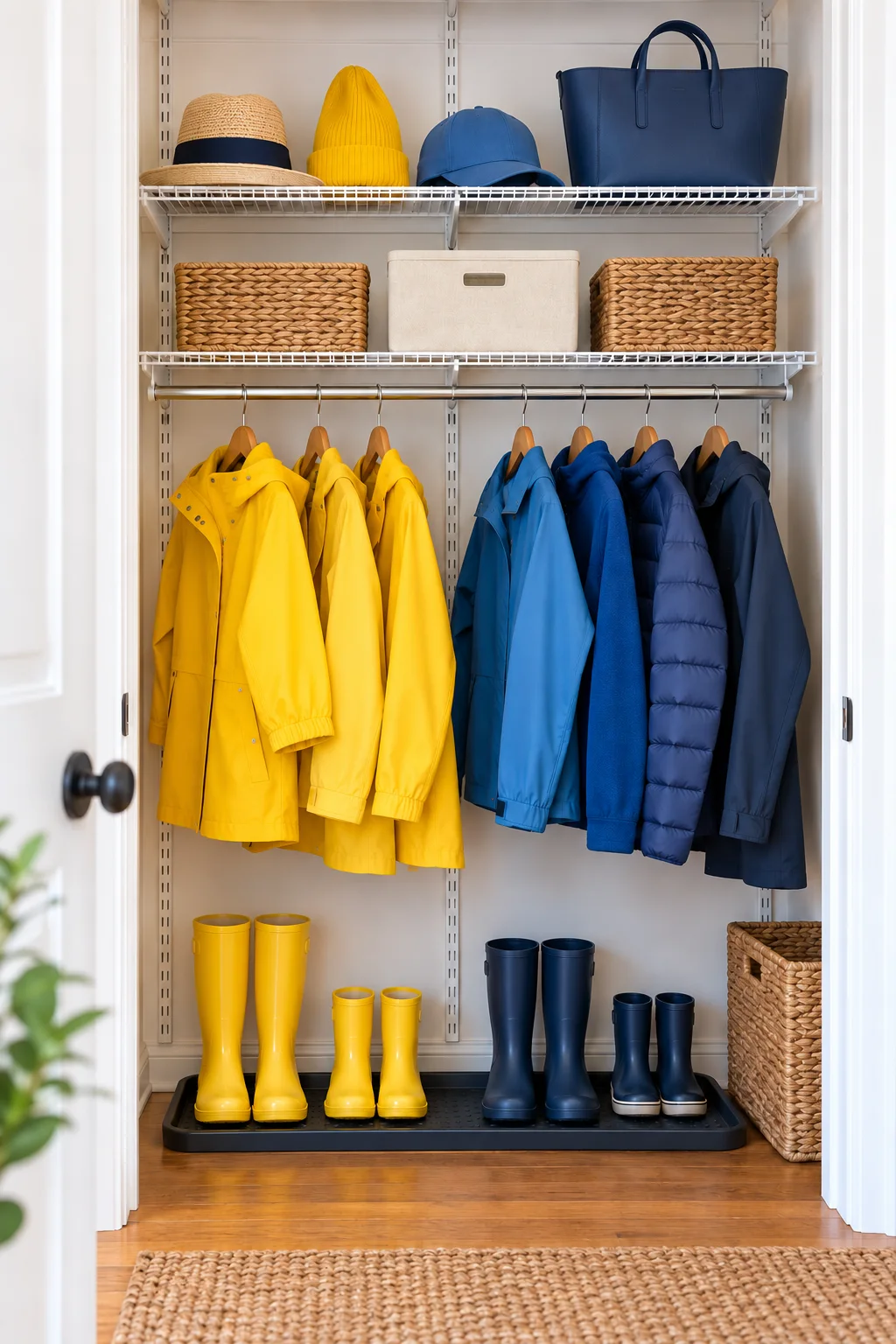
6. Keep delicate folded fabrics off exposed wire edges
Place snag-prone folded pieces on a suitable smooth liner or inside a clean, appropriate container. Check the wire coating and end caps before putting delicate knitwear directly against a surface that could catch the fabric.
Follow garment-care instructions and use another storage area if the shelf is rough or damaged. Do not hide sharp or broken wires beneath fabric. Avoid thick improvised boards that change the shelf load or interfere with the support system unless the manufacturer approves them.
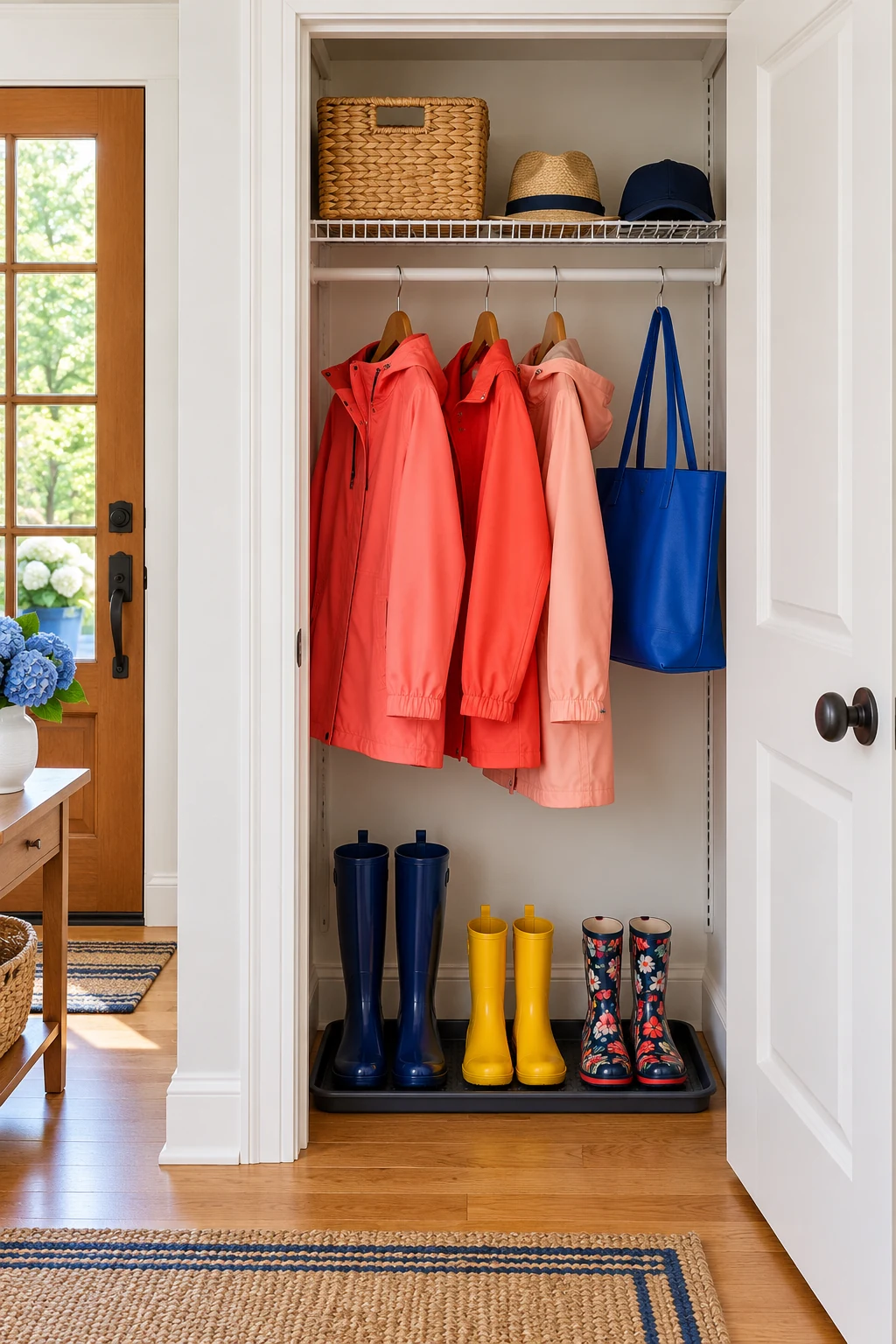
7. Choose lightweight bins with a supported base
A bin can keep loose soft items together while bridging the visual clutter of open wire. Look for a base that sits level across the shelf and does not sag deeply into the gaps when filled.
The Gray six-bin Simple Houseware Underwear Drawer Organizer set offers open fabric containers in several sizes. Check each footprint and the listed 5.25-inch height against the shelf opening. These are lightweight organizers, so do not use them as structural trays or assume a soft base suits every wire spacing. View on Amazon.
8. Put small divided inserts on a stable surface
Keep tiny clothing items in a divided insert inside an appropriate supported bin or on a suitable lined shelf. This prevents socks or small accessories from disappearing into a large container while avoiding direct contact with the wire gaps.
The Simple Houseware 4-Pack Drawer Organizer Set in Gray has mixed cell layouts and a listed 3.5-inch height. Measure the chosen insert and its support surface before using it here. It is not a structural shelf accessory, and an unstable or sagging setup needs a different base. View on Amazon.
9. Use shallow containers instead of hiding a second row
Place everyday small items in one shallow row so the back of the shelf does not become a hidden storage layer. The open wire can make a closet look airy while still concealing things behind tall bins.
Keep deeper or covered storage for occasional categories with clear labels. Make sure each container can be removed independently without lifting another one off first. If the only way to reach the back row is to unload the front, reconsider whether that shelf is suitable for daily use.
10. Use only dividers designed for the wire system
If folded stacks drift together, choose dividers specifically compatible with your shelving model and wire layout. The attachment method matters: a clip intended for the edge of a solid shelf may not grip a wire shelf correctly.
Check divider height, spacing, and the manufacturer's fitting instructions before loading the shelves. Keep stacks short and avoid using a divider as a support for an overloaded pile. If no compatible accessory exists, separate categories with appropriate lightweight bins rather than forcing a mismatched part to fit.
Arrange hanging space and shelves together
11. Use the intended rod for hangers
Some wire closet systems provide a separate rod so hangers can move along it without catching on every wire. Use the system's approved rod, supports, and end fittings when that is the intended arrangement.
Do not hang a heavy collection from a shelf lip or crosswire merely because the hooks fit. Check the combined shelf-and-hanging load instructions and support requirements. If hangers keep catching, first confirm that the system is assembled and used as designed rather than adding an improvised rail.
12. Use consistent hangers without overpacking the rod
Align hanger hooks and use a consistent shape for everyday clothing so a wire-shelf hanging section is easier to scan. Keep enough room to slide garments away from a rod support when taking them out.
Amazon Basics Slim Velvet Suit Hangers in the Black/Silver 30-pack can create that consistent everyday row. Preserve specialty supports for garments that need them. Slim hangers do not change the rod's rated load, so count the added clothing weight before using the space they free. View on Amazon.
13. Place folded categories over their related hanging zone
Where a suitable shelf sits above a clothing rail, store a light related category there, such as scarves above coats or exercise accessories above activewear. Pairing the areas can make the closet easier to remember and use.
Keep frequently used things within comfortable reach rather than putting every related item overhead. Avoid heavy bins above your head, and leave enough room to lower a container with control. A category connection is useful only when the shelf is safely accessible.
14. Adjust shelf spacing around the real stacks
In an adjustable system, set shelf gaps around the actual folded categories and hand room they require. Too much height encourages tall piles; too little makes even a small stack awkward to remove.
Unload the affected section before repositioning components and follow the system's adjustment instructions. Keep the required brackets and supports in place and confirm they are seated properly afterward. Do not change fastening positions or structural components based only on a visual layout idea.
15. Keep one full-height section for long garments
Reserve a hanging bay where long clothes can hang freely without dragging across lower shelving. This prevents the desire for more wire shelves from eliminating the vertical clearance your wardrobe actually needs.
Measure the garment on its usual hanger, including the full drop below the rod. Arrange adjacent shelves so their edges do not rub the fabric. If a lower shelf is structural or required by the system, do not remove it; choose another approved layout instead.
Use the rest of the closet without overloading the shelves
16. Give awkward shoes a separate low rack
If heels, small shoes, or soft soles sit poorly on the wire shelf, move them to a more suitable surface. A low rack beneath short clothing can organize daily pairs without forcing every shoe onto the existing shelving.
The Simple Houseware 3-Tier Metal Panel Shoe Rack in Bronze uses metal panel shelves and stands on the floor. Check the current dimensions against the available bay and your footwear. Its listing has a small width discrepancy, so verify fit rather than relying on a tight measurement. View on Amazon.
17. Move small accessories onto a compatible door
A clear-pocket organizer on a suitable hinged door can remove small loose items from wire shelves while keeping them visible. Use it for lightweight categories that fit the pockets and leave the shelves for larger groups.
The Gray Simple Houseware 24 Pockets Clear Over the Door Shoe Organizer is listed at 19 by 64 inches. Check door thickness, top clearance, full closure, and pocket fit before filling it. Do not attach its hooks to wire shelves or supports unless that mounting is explicitly approved. View on Amazon.
18. Move seasonal overflow to an accessible secondary spot
When the wire shelves are already carrying a full wardrobe, consider moving a suitable off-season category elsewhere instead of adding height to the stacks. Keep the contents identifiable so secondary storage remains useful rather than forgotten.
Amazon Basics Under Bed Storage Bags in the Gray 2-pack have clear tops and listed dimensions of 42 by 18 by 6 inches. Measure filled clearance and the route around bed supports. Store clean, dry textiles and keep loads manageable; the bags are not rigid drawers. View on Amazon.
19. Put labels where they will not snag clothing
Use small removable labels on bin fronts or an appropriate label holder rather than dangling long tags from the wire. Place labels where they remain visible when the closet door is partly open.
Check that clips or ties do not interfere with hangers, shelf supports, or clothing below. Keep wording broad enough for an everyday category and update it when the contents change. Avoid permanent adhesives on coated wire unless the shelf maker permits their use and removal method.
20. Leave sightlines to the back of the closet
Keep tall opaque bins away from the area you need to see through when choosing clothing. A lower container on a middle shelf can make a tight closet feel easier to navigate without changing the structure.
Check the view from the actual doorway instead of judging only from directly in front of the shelf. If lighting is poor, use a suitable lighting solution installed according to its instructions, with clearances from clothing. Do not run loose cords through loaded wire shelving.
21. Clean and fully dry the shelf before reloading
Remove a manageable section of contents and clean the shelf according to the manufacturer's care guidance. Dust can gather around supports and where liners meet wire edges, so check those areas while the shelf is empty.
Let the shelf and any washable accessories dry fully before returning clothing. Check the coating and end caps during the same reset, and address damage rather than covering it with a liner. Avoid cleaning products or abrasive tools that the shelf maker does not recommend.
22. Use laundry day to check access and loading
When clean clothing returns, notice which shelf has become difficult to use or which bin is too heavy to lift comfortably. Rebalance categories within the system's limits instead of adding another layer on top of the same shelf.
Keep the floor clear and make sure hangers still move along their intended rod. Stop using an affected section if a support moves or a shelf changes shape. A wire closet is easier to maintain when each category has enough room to return without force.
Start with the shelf that causes the most frustration: stabilize the storage surface, choose a better-fitting container, or simplify the category. Keep every improvement within the shelving system's instructions so the closet stays useful and properly supported. Subscribe to the Havelyo email list for more practical small-space decorating and organization ideas.