
Closet Organization
22 Sweater Storage Ideas for Shelves, Drawers, and Small Closets
Sweaters can fill a shelf quickly, especially when thin layers and bulky knits are all stacked together. A useful storage setup makes each group easy to see, reach, and return without compressing everything into the smallest possible space.
These 22 sweater storage ideas cover shelves, drawers, and small closets. Start with the care labels, then choose a fold and storage location that suit the actual garments. Test one small section first, keep stacks manageable, and measure organizers with enough room left for your hands and the next load of laundry.
This article contains affiliate links. If you buy through them, Havelyo may earn a commission. As an Amazon Associate I earn from qualifying purchases.
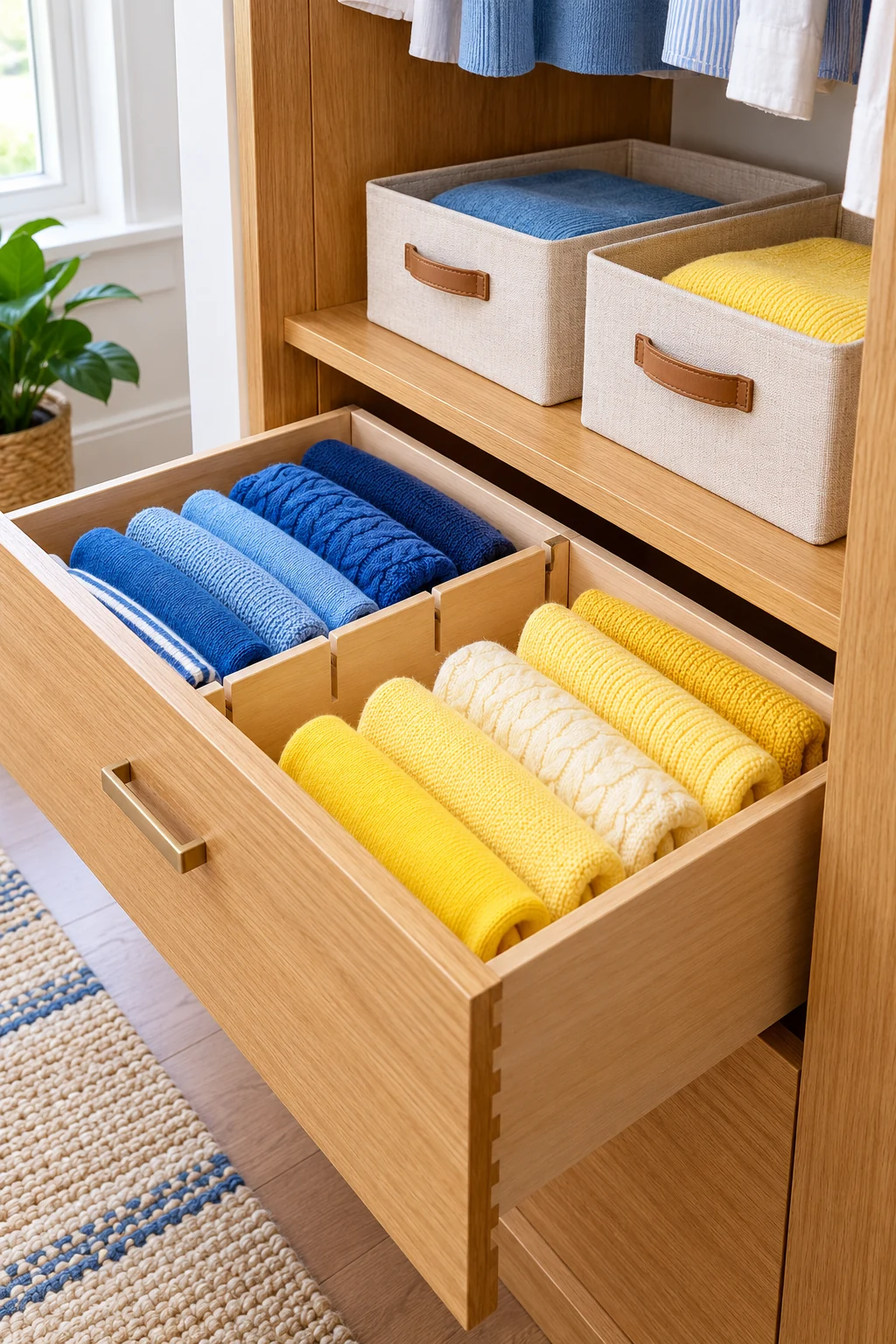
1. Plan folded storage before filling the hanging rail
Check the care labels and maker guidance for your sweaters, then give the pieces that should be folded an appropriate shelf or drawer home. Start with the bulky and frequently worn knits, since those are the ones most likely to make a crowded hanging section awkward.
Woolmark recommends folding knitted wool garments for storage. Use that guidance for the relevant wool pieces and follow individual instructions for other materials and constructions. Avoid choosing a hanging method simply because the rail has space; first work out where a comfortably folded collection could fit.
2. Choose a fold that matches the shelf depth
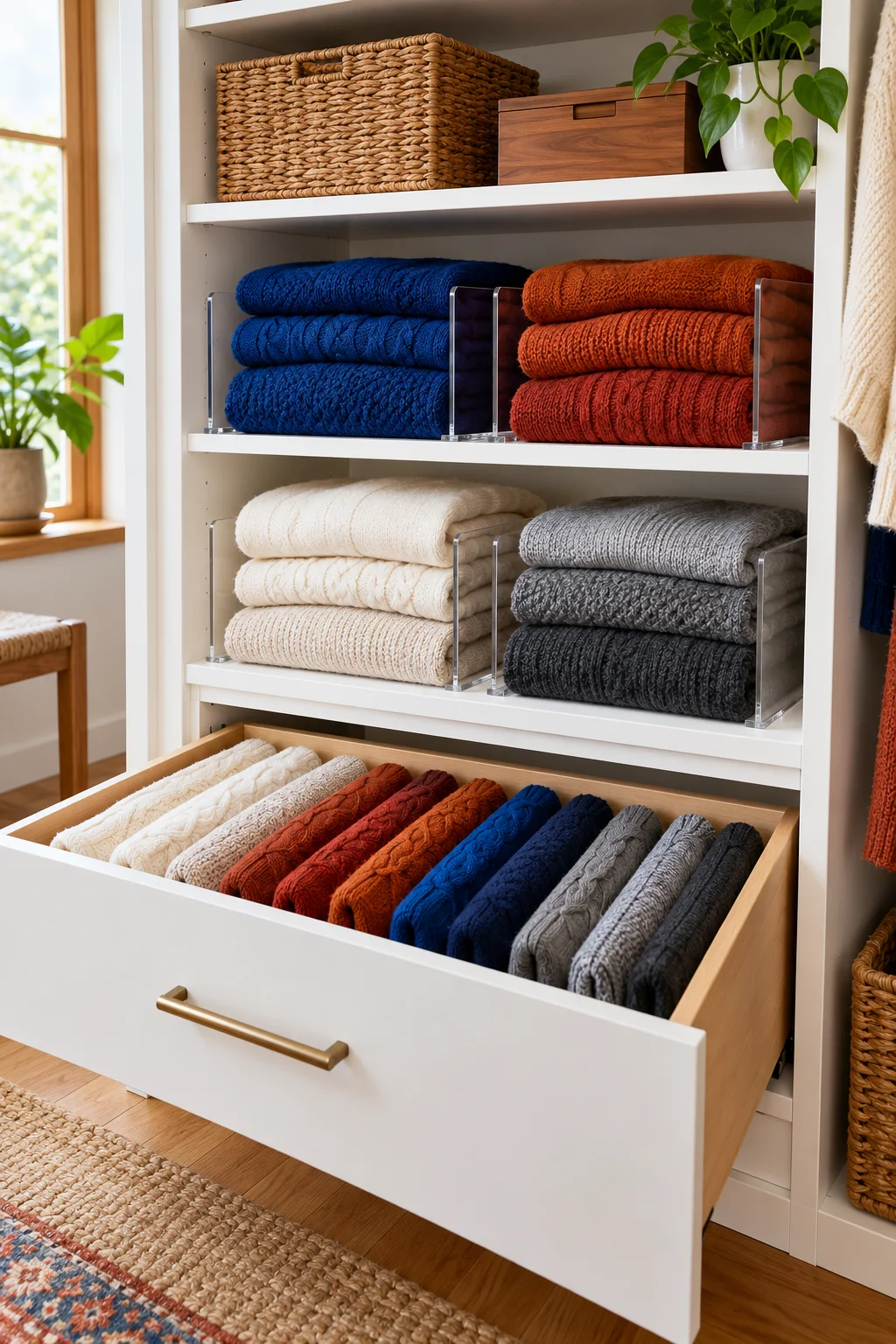
Fold one typical sweater and compare it with the usable shelf depth before refolding the whole collection. Keep the front edge within the shelf and leave enough space to grasp the stack. A bulky sweater may need a broader, shallower fold than a lightweight pullover.
Use the actual garment as the guide rather than forcing every sweater into an identical size. Keep sleeves and closures arranged comfortably and follow any special care instructions. If the fold only fits when pressed tightly, use another shelf width or a more suitable drawer instead.
3. Keep stacks short and wide enough to handle
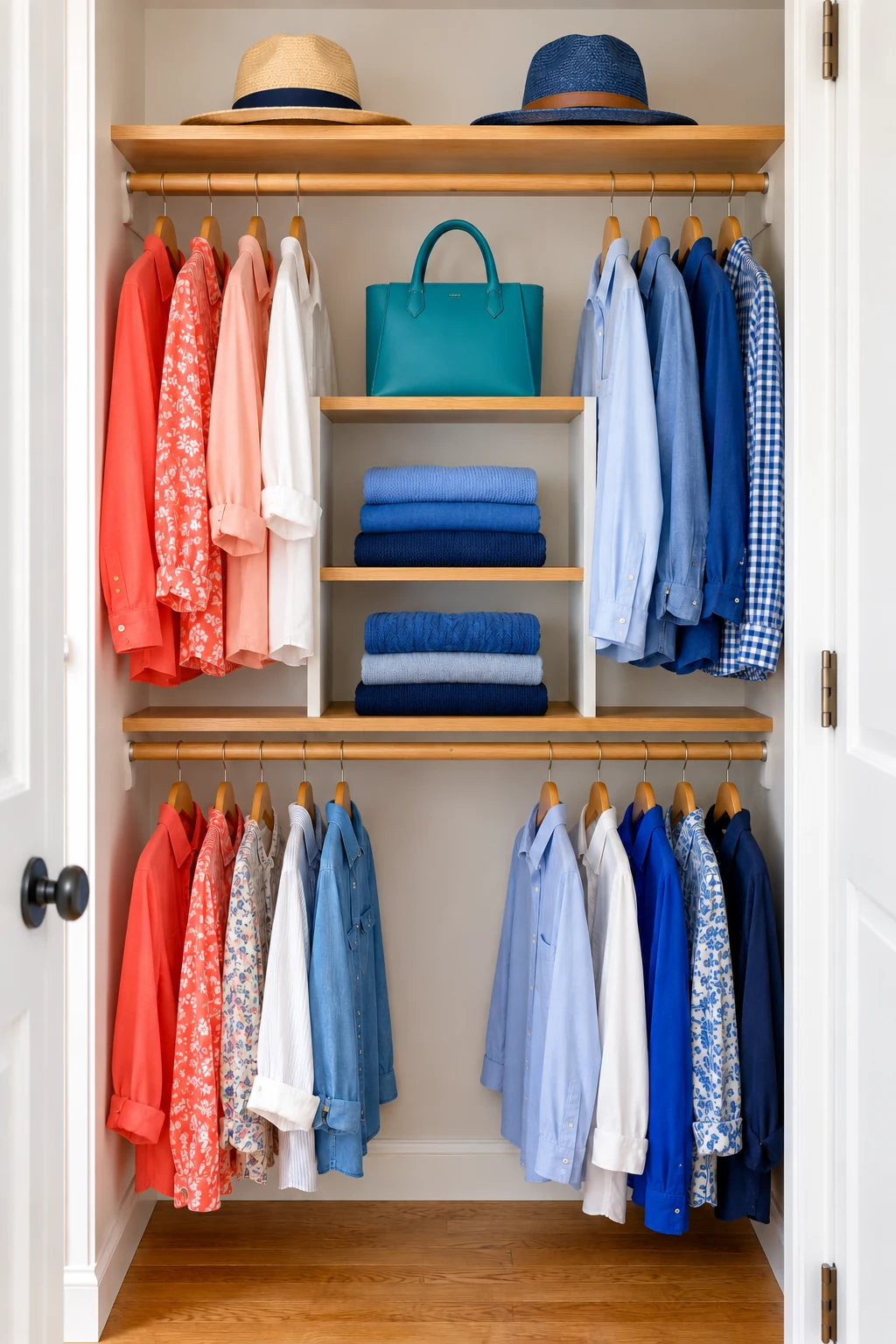
Make low stacks that you can lift or separate without steadying a tower. Give thicker sweaters more shelf width, and keep pieces with similar bulk together so the stack sits predictably. Leave hand space above each pile rather than filling the opening to the underside of the shelf.
Test the stack by removing the sweater you wear most often. If everything above it tumbles forward, reduce the height or divide the group. There is no universal number of sweaters per stack; the useful limit depends on their thickness, the shelf opening, and how comfortably you can handle them.
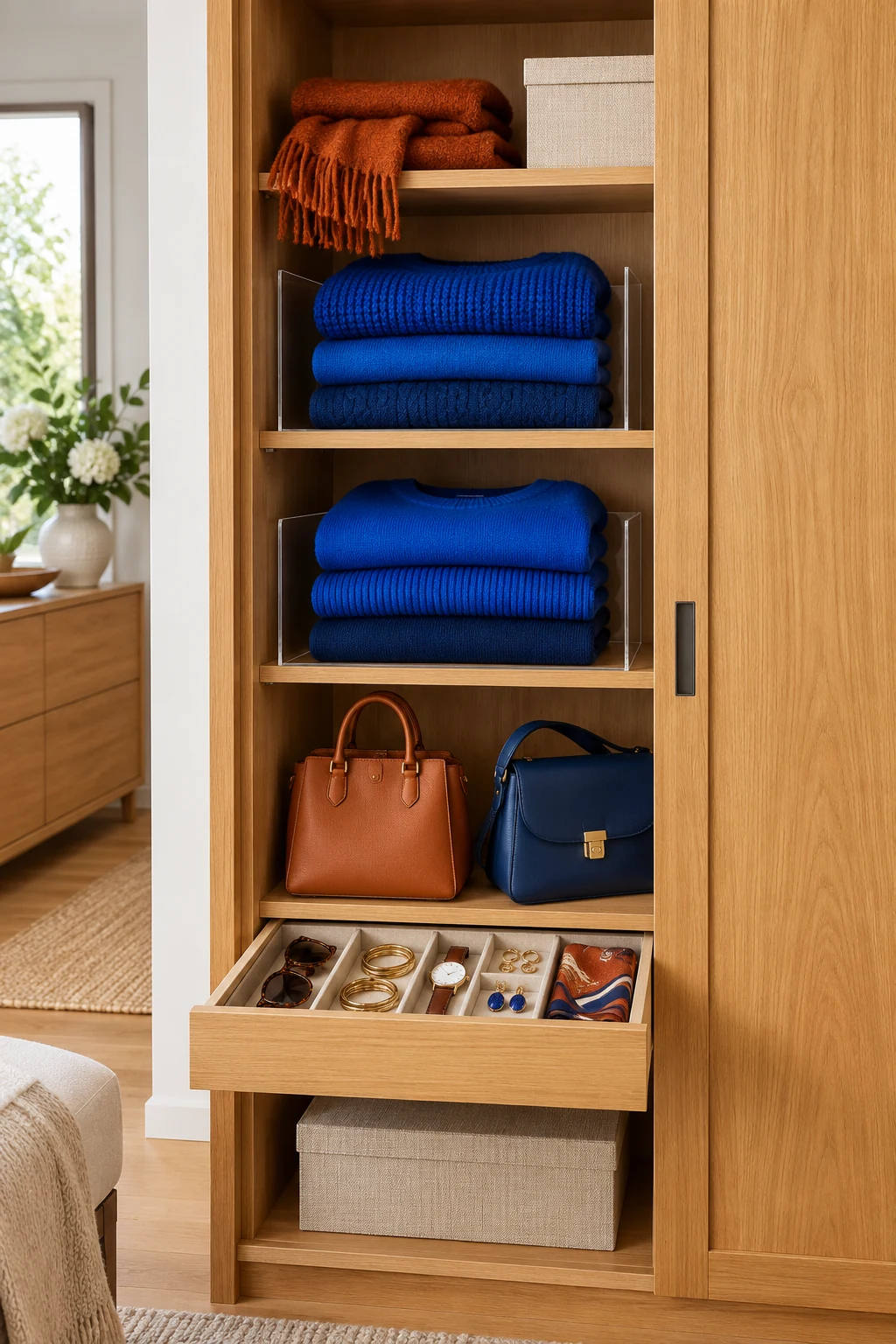
4. Separate neighboring stacks with compatible dividers
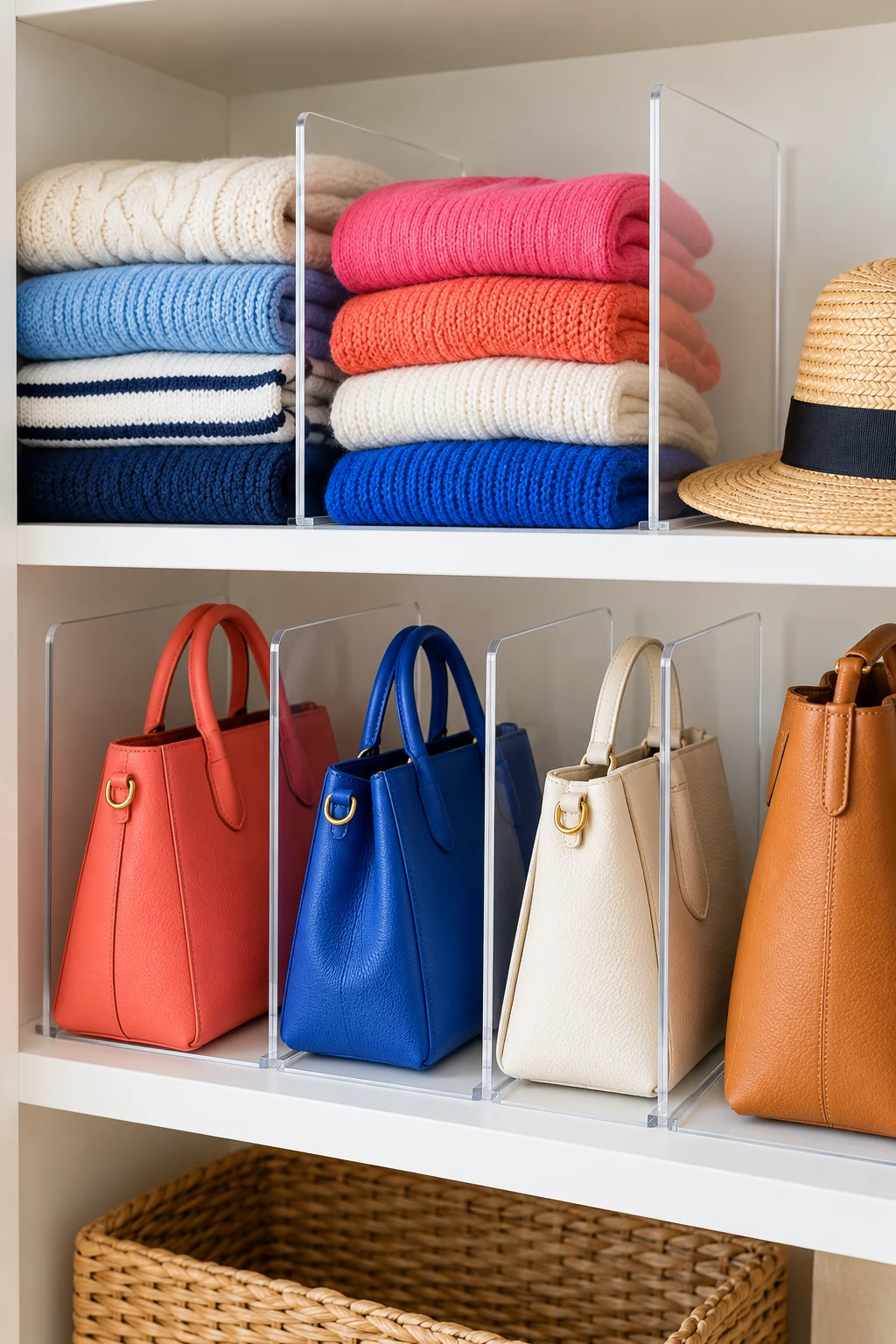
Shelf dividers can keep two sweater categories from leaning into one another. Set the spacing around the folded width and leave a little room at the sides. Dividers are especially useful where a stack repeatedly drifts toward a neighboring bin or bag.
LYNK Tall White Shelf Dividers fit compatible solid wood shelves up to 7/8 inch thick. Check the shelf’s front edge and test the installation before returning clothing. The dividers define a space; they do not increase the shelf’s strength or make a tall, tightly packed stack easy to use. View on Amazon.
5. Use pull-forward bins on deep shelves
A deep shelf can hide sweaters at the back. Put a defined category in a suitable open bin that you can remove as a unit, then arrange the contents loosely enough to see them. A handle can be helpful, but the full loaded bin still needs to be manageable.
Measure the shelf opening and the route out past the door or neighboring clothes. Avoid putting a heavy bin above a comfortable lifting height. Reuse a clean container first to test the arrangement, and choose a different method if retrieving the whole group creates more effort than it saves.
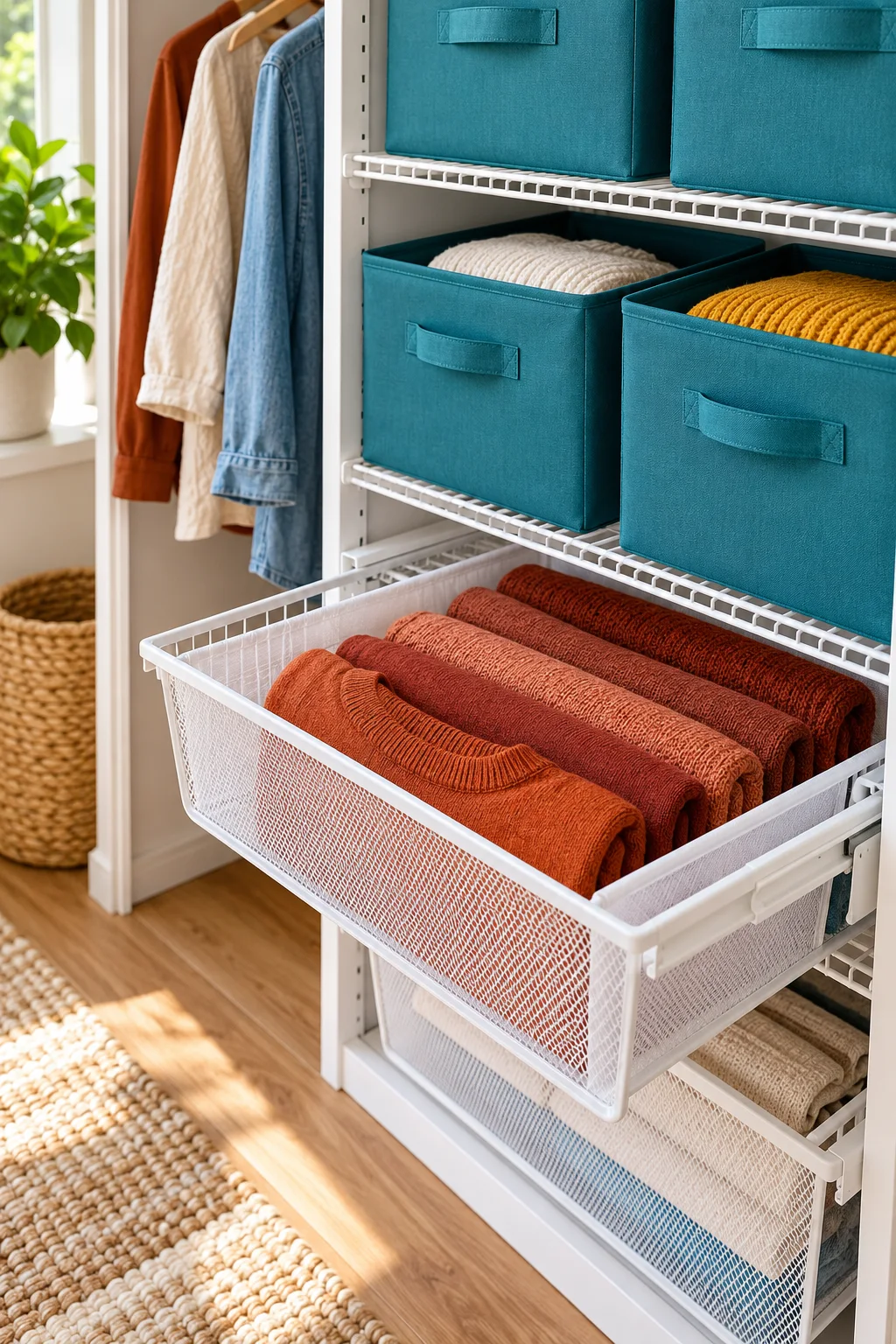
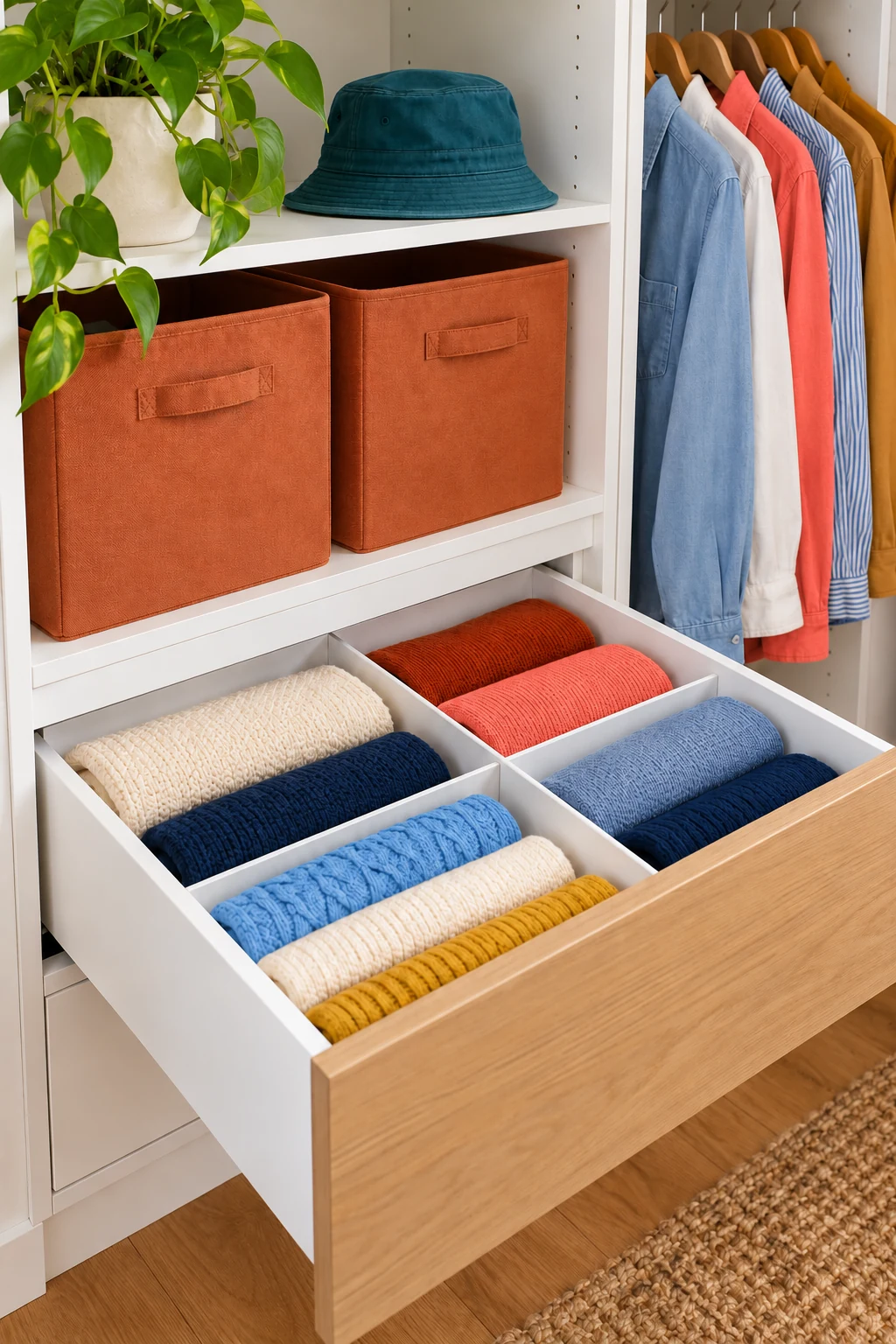
6. Try file-style rows for suitable lighter sweaters
In a drawer, some lighter sweaters can sit in a loose upright row so their folded edges remain visible. Test the fold against the interior height and check that the drawer closes without pressing on the garments. Use the method only where the knit and care instructions suit it.
Leave enough room to remove one sweater without dragging the whole row along. If the pieces collapse, stretch, or need too much compression to stand, switch to a shallow flat arrangement. The purpose is easier visibility, so an immaculate-looking row is not worth making the clothing harder to store properly.
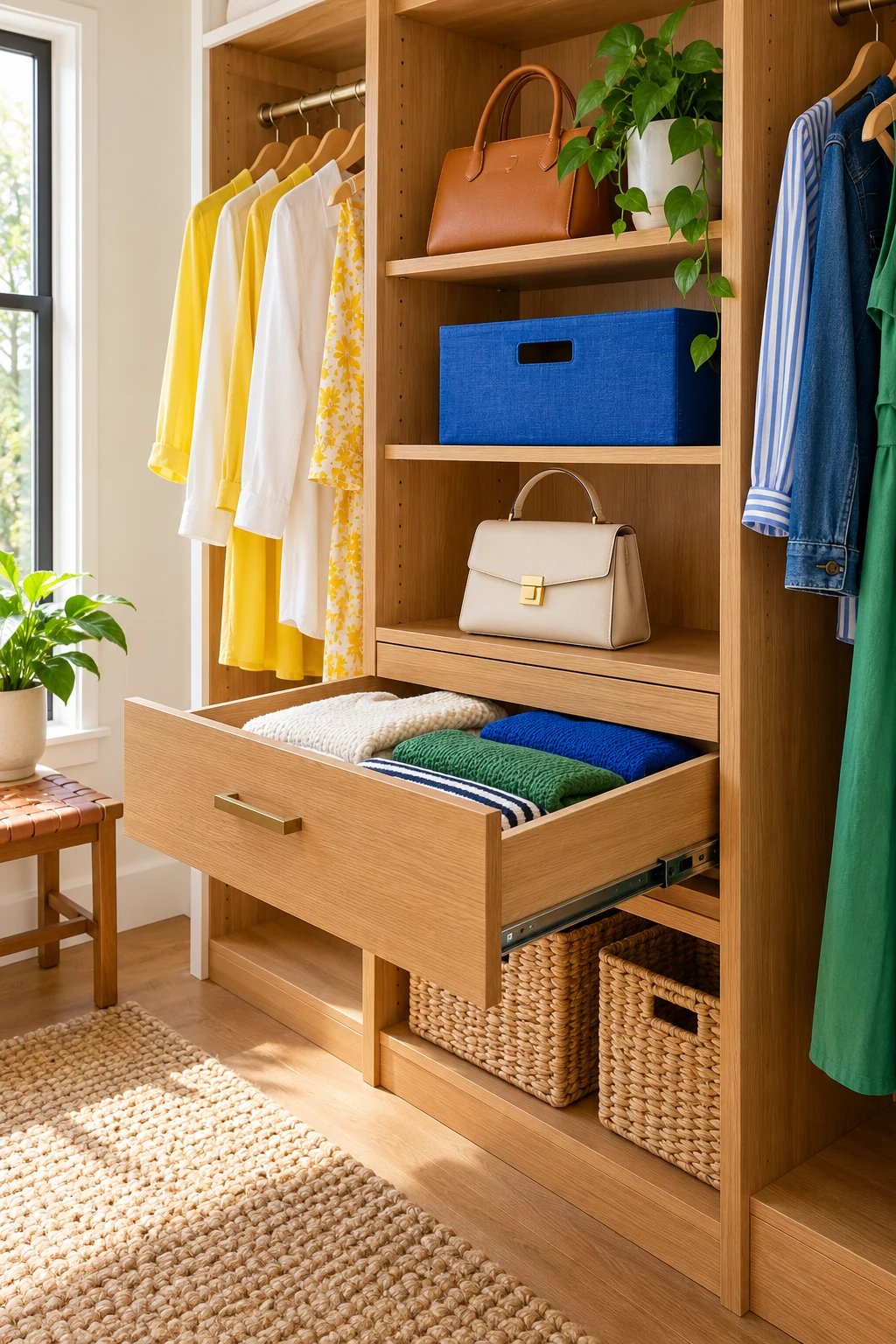
7. Create broad drawer lanes with adjustable dividers
A wide drawer can become easier to use when lightweight pullovers and thicker cardigans have separate lanes. Size each lane to the folded garments rather than dividing the drawer into equal sections automatically. Keep the row loose enough to return clean laundry without rearranging everything.
OXO Good Grips Expandable Dresser Drawer Dividers provide movable boundaries for suitable drawers. Confirm the installed range and height, and follow the tension-fitting instructions. The divider should rest securely without forcing the drawer sides or squeezing the sweaters between rigid boundaries. View on Amazon.
8. Use open fabric bins for small folded groups
Small open bins can organize a drawer that mixes lightweight knits with other clothing. Give each bin one manageable group, such as thin layering sweaters, and keep the folded edges visible. Leave an unpartitioned section for larger garments that do not fit the bins comfortably.
The Simple Houseware six-bin fabric set offers mixed sizes to try in a drawer or on a shelf. Check each bin’s footprint and height before choosing the pieces you need. A matching set is optional; a bin is useful only if the contents and the drawer still have room to move. View on Amazon.
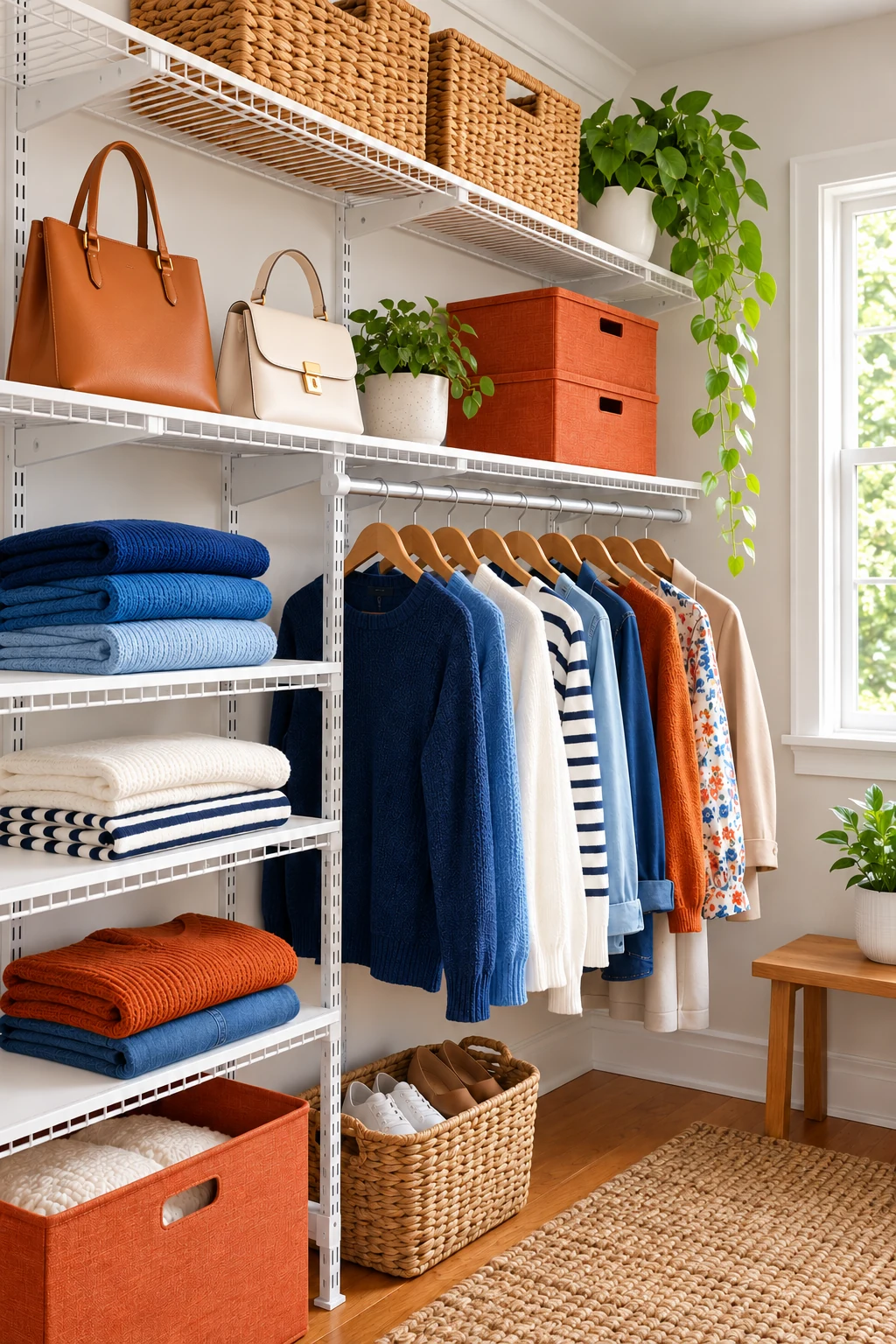
9. Give bulky cardigans their own broad section
Long or bulky cardigans can take up more folded space than a small pullover. Give them a broad shelf section or suitable drawer area so they do not dominate a narrow stack. Fold each one comfortably around its length and closures according to its care guidance.
Keep pieces with substantial buttons, belts, or other details from tangling with neighboring garments. Do not try to solve the extra bulk by pressing several cardigans tightly into a small cube. A larger individual category is easier to maintain and makes the remaining sweater stacks less likely to topple.
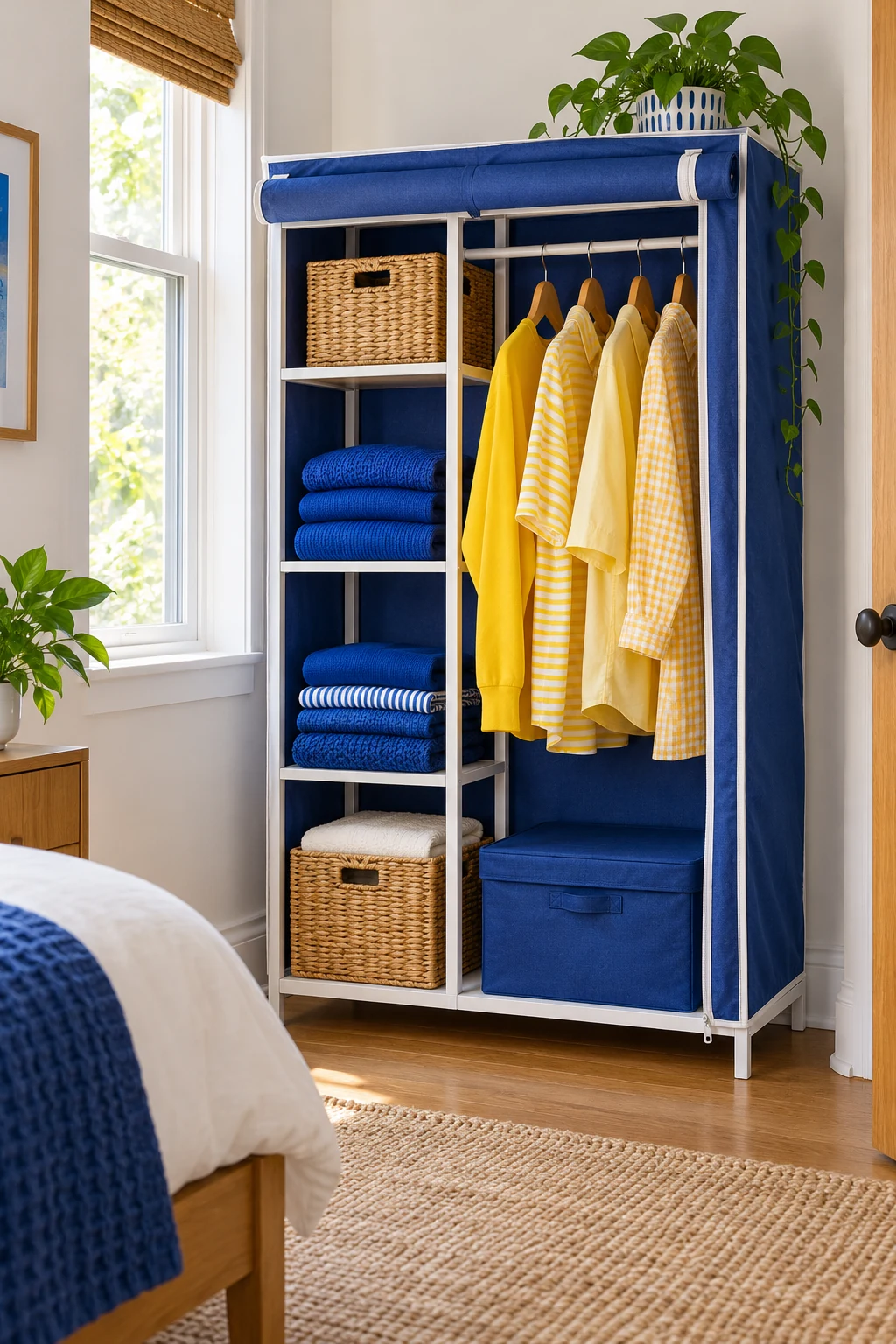
10. Add hanging cubbies for appropriate light knits
When the closet has spare rod width but no folded-storage bay, a hanging fabric organizer can add compartments. Use it for suitable light knits and keep stacks modest. Measure the openings before deciding what belongs in each one, especially if your folded sweaters are wide.
The StorageWorks 6-Shelf Hanging Closet Organizer is an option for this tradeoff. Check its full drop, attachment instructions, and the capacity of the rod and supports. It uses hanging width and has its own load limits, so keep oversized or heavy piles in a more appropriate supported location. View on Amazon.
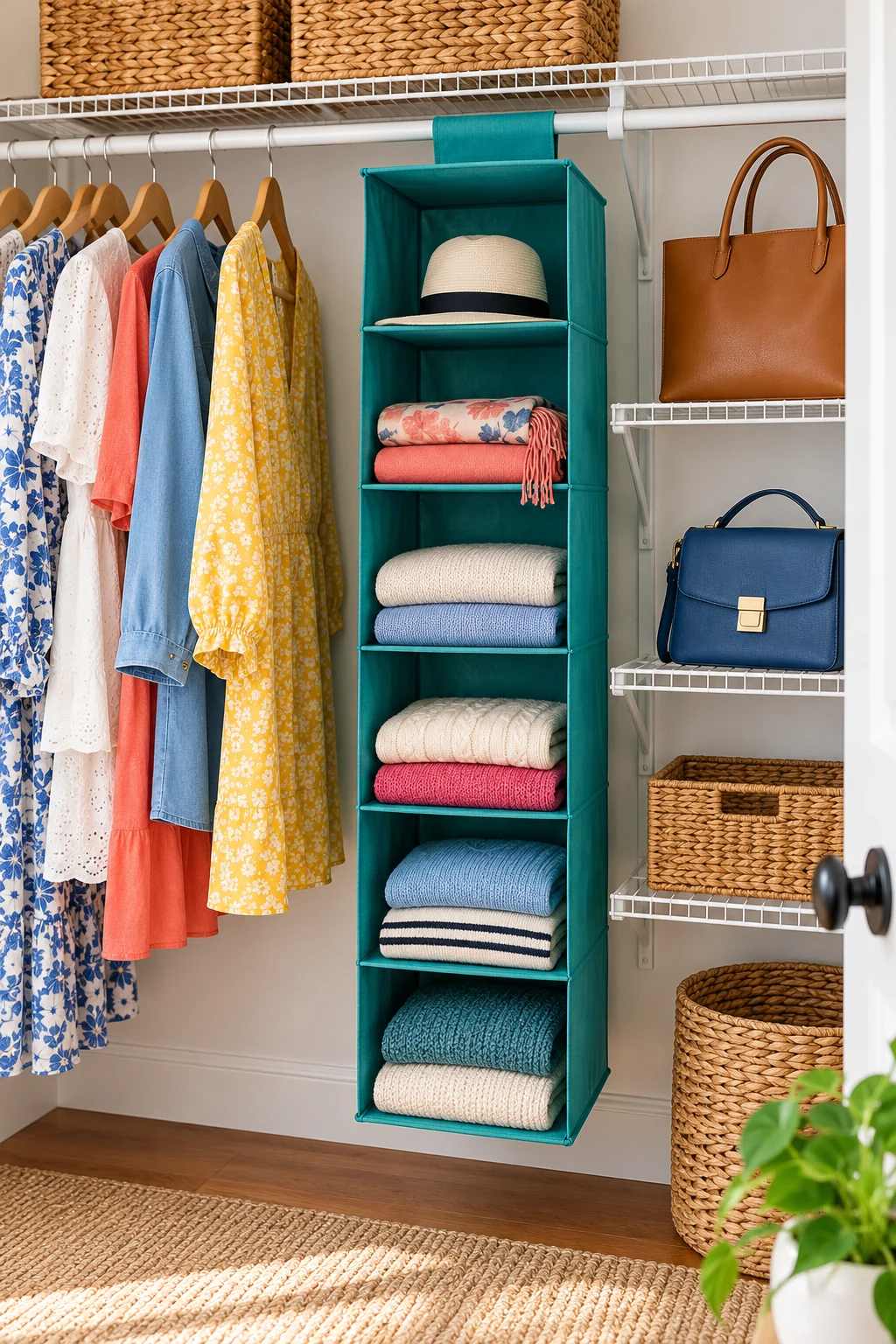
11. Cover compatible wire gaps with a shelf liner
If sweaters share a wire shelf, a compatible liner can provide a continuous surface for folded storage. Measure the actual shelf depth and front edge, and fit the liner according to its directions. Keep clothing away from rough or damaged areas of the shelving.
ClosetMaid’s 1126 plastic liner roll is listed for 12-inch-deep ClosetMaid wire shelves. Check compatibility with the exact shelf rather than assuming it fits every system. The liner does not reinforce the shelf or raise its load limit, and loose supports need to be addressed separately. View on Amazon.
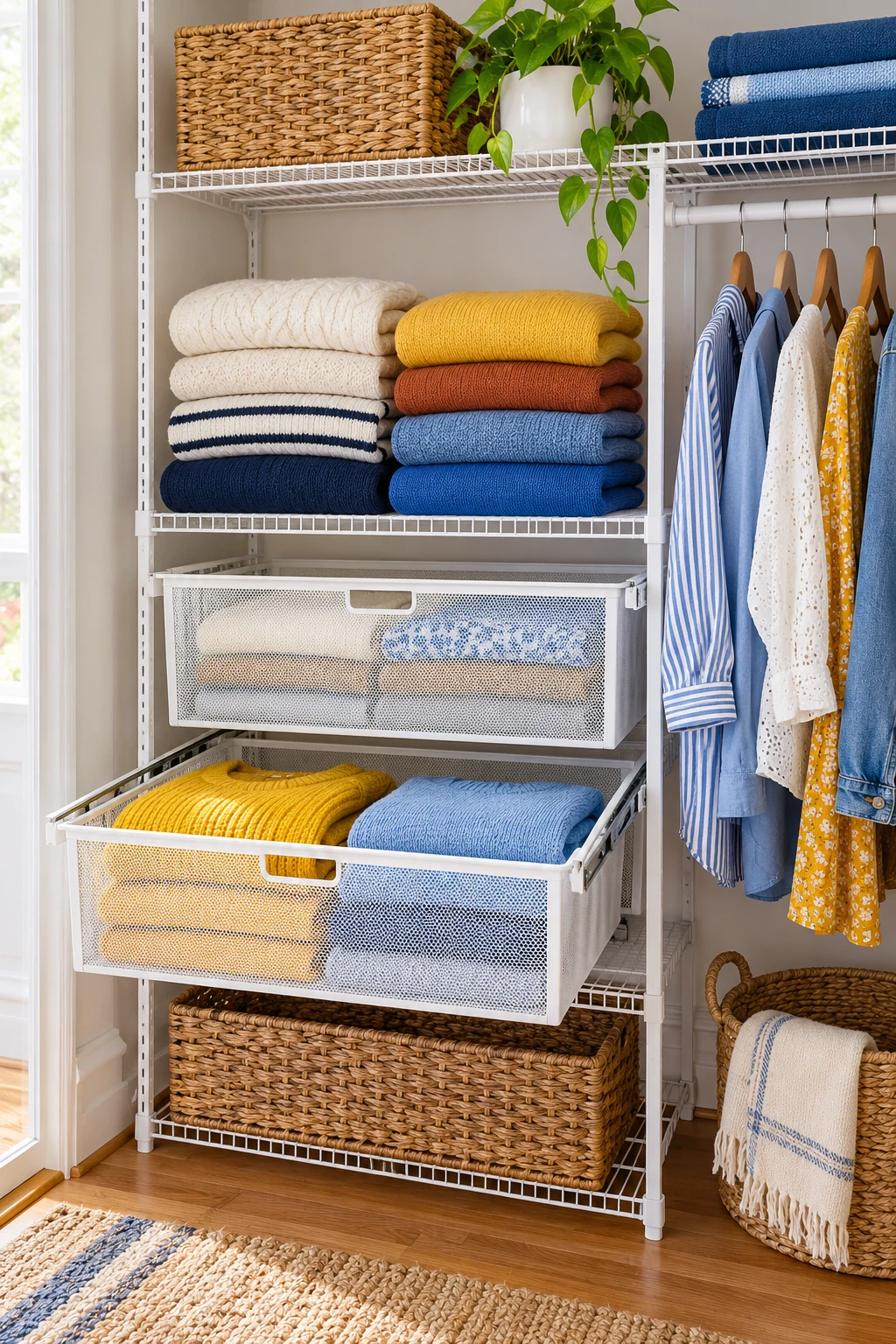
12. Keep everyday sweaters in one visible front row
Use the front of a shelf for the sweaters you choose during an ordinary week. Avoid hiding a second everyday row behind it, especially when the shelf sits above eye level. Seeing the collection makes it easier to use what you own instead of repeatedly reaching for the same front piece.
If the shelf is deeper than the daily collection needs, leave the extra depth open or assign it to a clearly labeled occasional category you can retrieve safely. Do not let a concealed pile grow there by default. Pull-forward containers are an alternative when the whole category needs to occupy the depth.
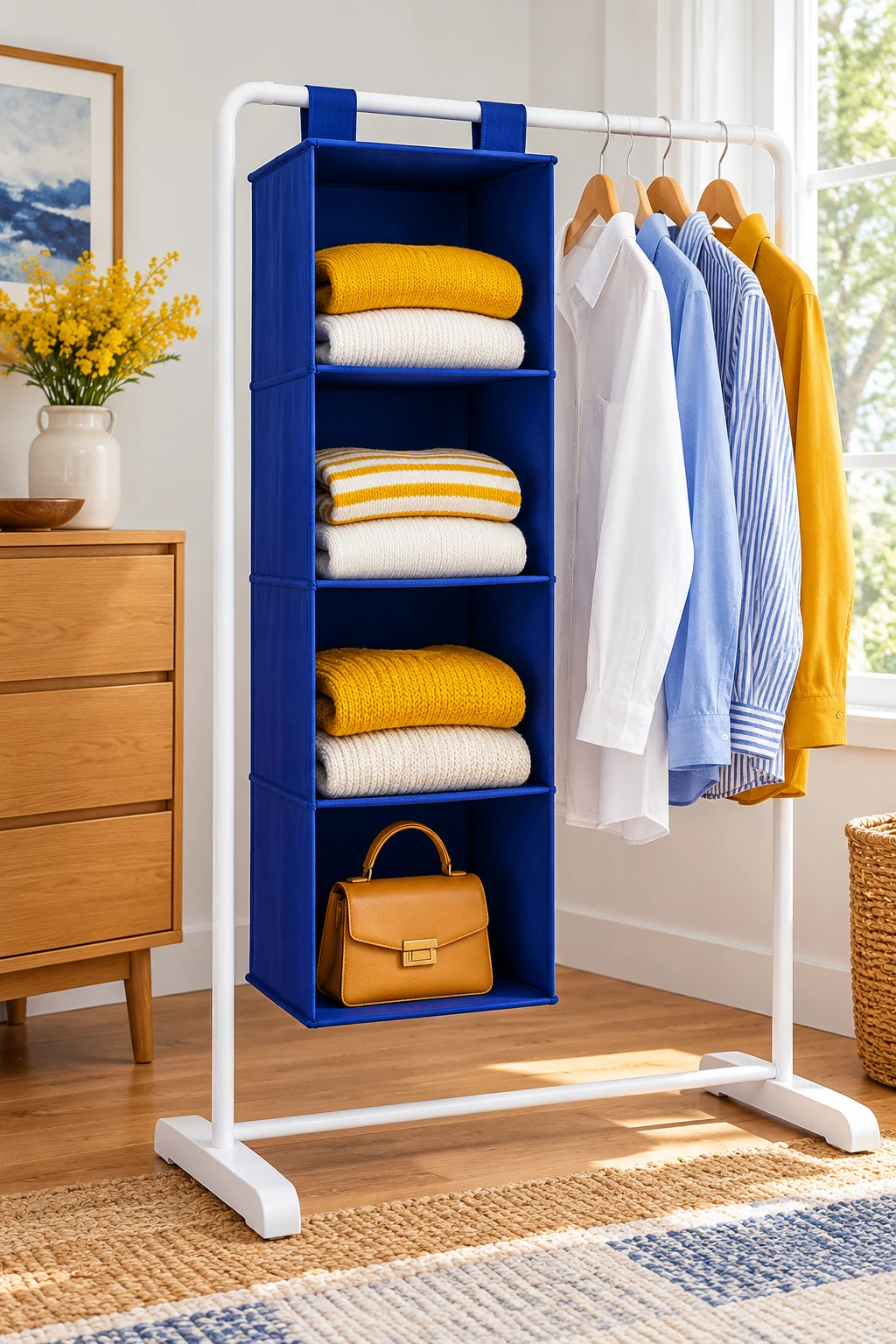
13. Adjust shelf heights around the real stacks
In an adjustable system, place shelves at heights that suit the stacks you can comfortably use. Test the thickest folded category first and leave room above it for your hand. A collection of thin sweaters may need more shallow openings, while bulky knits need fewer taller ones.
Reposition supports only as the shelving system allows, and check that every shelf is properly seated before reloading it. Do not add improvised supports to create another level. Keep the full load within the system’s instructions, and preserve a usable opening rather than filling every vertical inch.
14. Give each person a clear sweater zone
In a shared closet, assign a shelf or drawer section to each person before sorting by color or weight. This makes clean-laundry returns more straightforward and reduces the chance that one person’s stack is repeatedly moved to reach another’s. Use a simple label if the boundary is not obvious.
Let the size of the section match the clothing rather than insisting on identical spaces. One person may need a broad cardigan shelf while another needs a small drawer row. Revisit the division when seasons or wardrobes change, and keep daily pieces within each person’s comfortable reach.
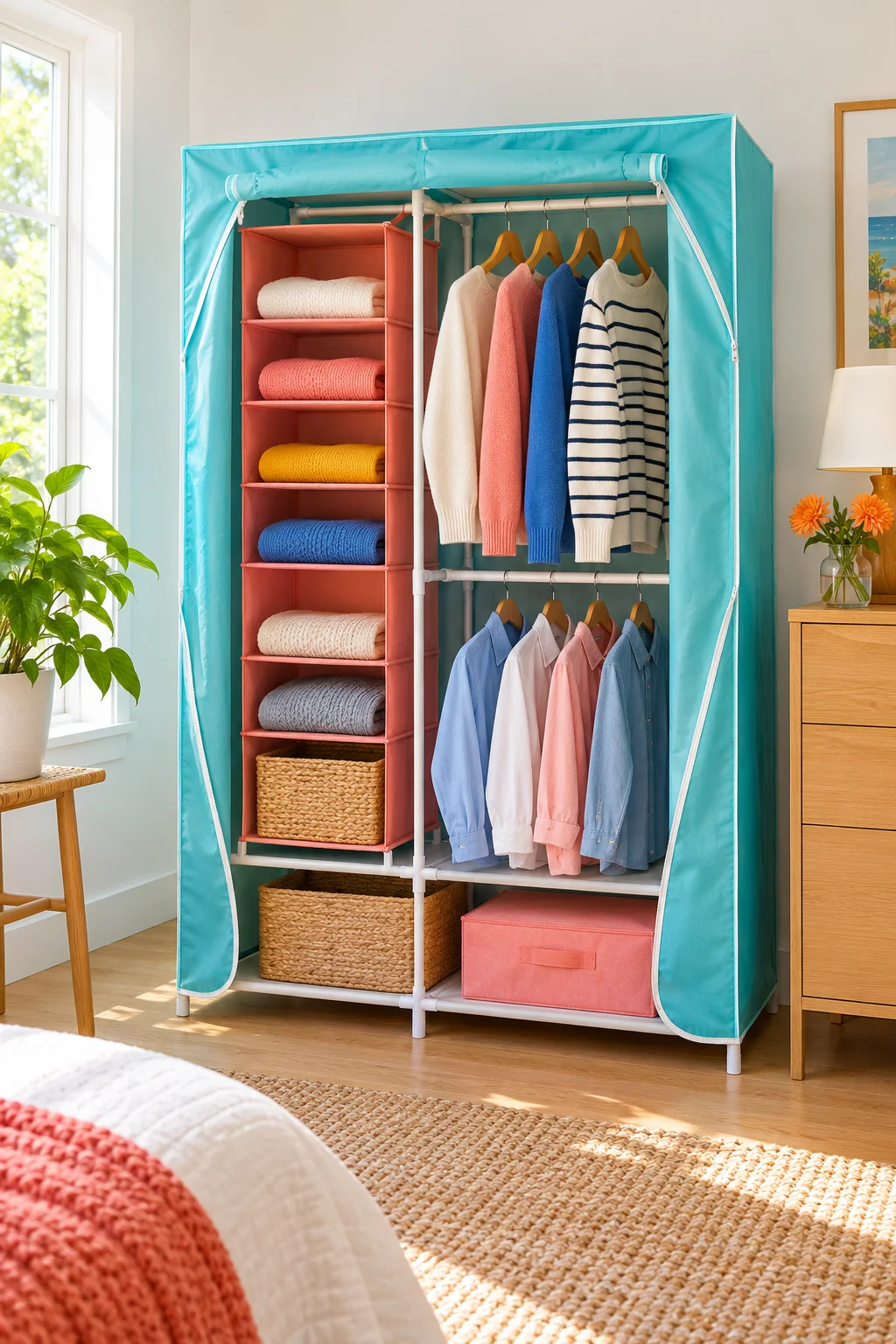
15. Keep a small current-season sweater selection accessible
Choose the sweaters that suit the weather and your current routine, then keep that group in the easiest storage area. Include a transitional layer if you regularly need one. Move occasional heavy or lightweight pieces to a separate appropriate space so the active section remains easy to scan.
Use your real habits rather than setting an arbitrary capsule count. If a sweater repeatedly stays out because its assigned home is inconvenient, move it into the daily zone or reconsider the arrangement. A smaller active selection works only when it still contains the layers you genuinely wear.
16. Use shallow under-bed storage for suitable off-season knits
Under-bed space can hold an off-season sweater group when the garments and storage conditions are appropriate. Follow the care labels before packing and keep the folded contents loose enough to remove without pulling hard. Label the front so you know which category is inside.
Amazon Basics Under Bed Storage Bags provide a shallow fabric format with a clear top. Measure the filled height and the route past bed legs and nearby furniture. Avoid overfilling or treating a zippered fabric bag as airtight or pest-proof; choose storage that meets the actual garments’ care requirements. View on Amazon.
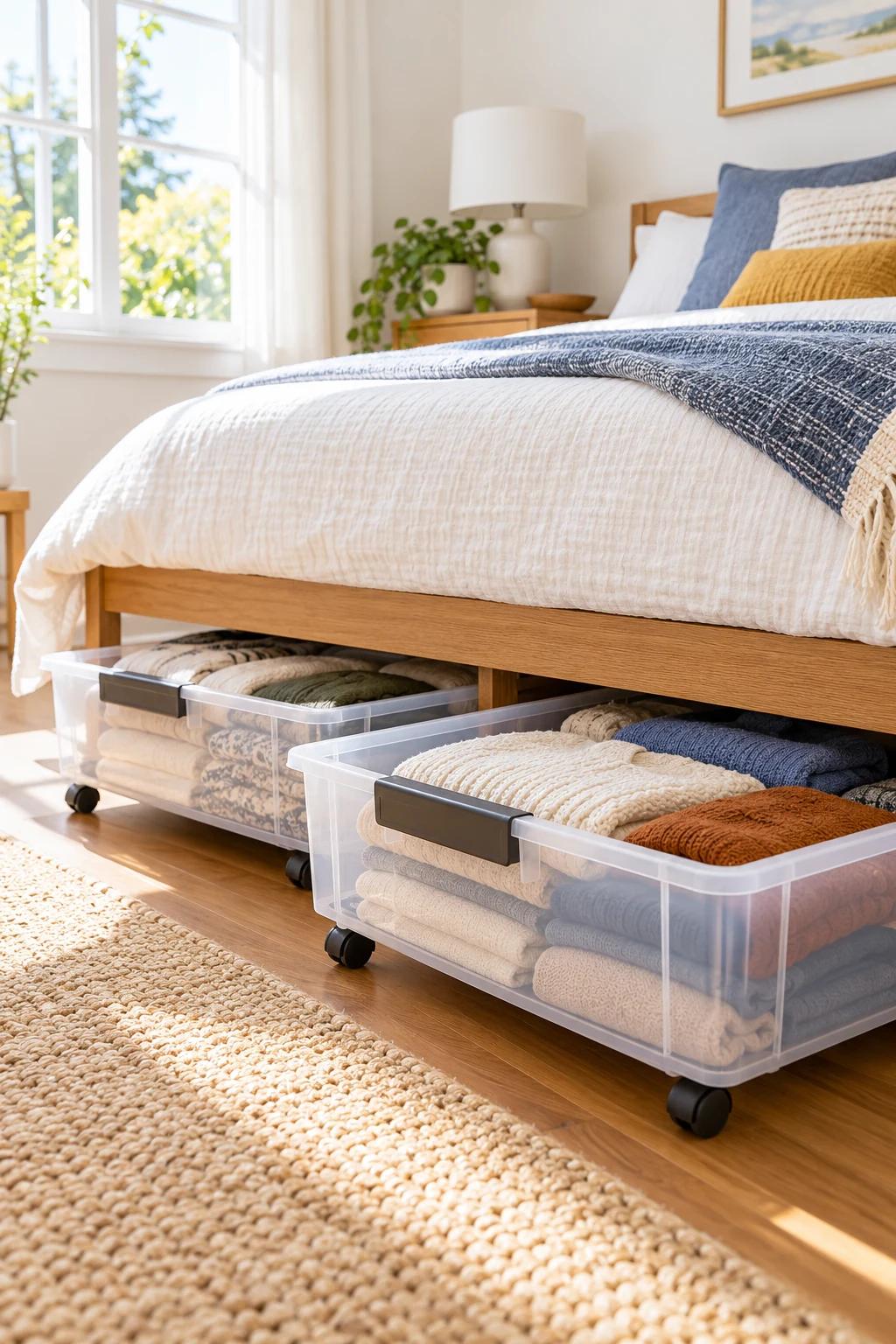
17. Choose lidded storage by its usable interior
A suitable lidded container can hold occasional sweaters as one defined category. Measure the interior after accounting for any liner or insert, and check that the lid closes without pressing tightly on the clothes. Keep the container at a height where you can lift it comfortably.
Choose the container and storage location according to the garments’ care requirements rather than assuming any sealed box is automatically appropriate. Do not add treatments or protective products without relevant instructions. Keep heavy stacks of containers out of hard-to-reach spots and label each category clearly.
18. Keep only light occasional groups on upper shelves
An upper shelf can hold a small light sweater group if you do not reach for it often. Keep the container modest enough to lower with control and leave room to grasp it securely. Do not turn a large stack of bulky knits into an overhead lifting task.
Check the removal route through the closet opening and use an appropriate stable step stool as directed when necessary. Keep frequently worn sweaters lower. If retrieving the bin requires awkward twisting or pulling it over another stack, choose a safer location even if the upper shelf stays partly empty.
19. Label hidden storage with one useful category
Use short labels on opaque sweater bins so you can find the right group without opening several containers. Categories such as heavy winter knits or light layers are usually more useful than a detailed list of individual garments. Face the labels toward the normal access point.
Update the label when you change the contents, and avoid stacking boxes so the label disappears. A simple phone photo can help with an occasional group, but keep the record current. Labels support a good storage layout; they cannot compensate for a container that is too heavy or difficult to reach.
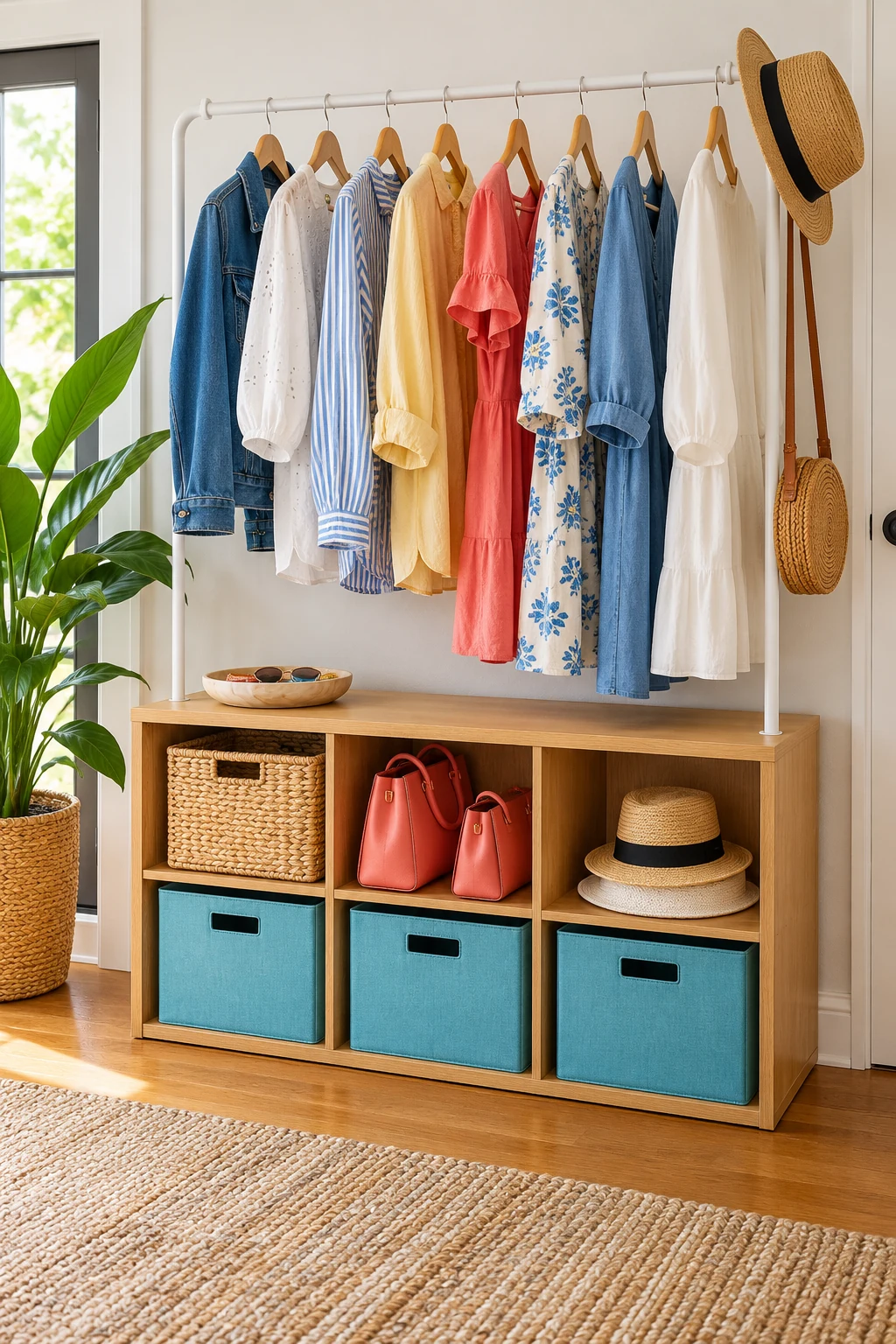
20. Give rewearable sweaters a small supported spot
If you keep a sweater aside to wear again, give it a clearly limited shelf or other suitable supported place rather than dropping it onto clean stacks at random. Follow the garment’s care guidance for what it needs between wears. Keep this spot separate from clothing waiting to be cleaned.
Limit the area to a few current pieces and review it when you put laundry away. If the sweater needs washing or repair, move it to that next step instead of leaving it indefinitely. Choose the storage position for the garment rather than defaulting to a narrow hook for convenience.
21. Stage tomorrow’s sweater with the outfit nearby
For a busy morning, set the chosen sweater in a small supported spot near the rest of the outfit. Keep it in a storage position suited to its care instructions while the other clothes hang or fold nearby. A shallow empty tray or clear shelf area may be enough.
Use this as a short-term planning spot and return unused pieces when the plan changes. Avoid building a second pile of outfits on top of the sweater collection. The arrangement should save a search without creating another place where clothing waits for weeks to be put away.
22. Leave room for the next load of clean laundry
Check your storage after all the clean sweaters are back, not only when several are in the laundry. Keep enough space to return a garment without pressing the whole row tighter. A system that only fits on laundry day will quickly overflow again.
As you put things away, straighten the affected stack and move repairs or out-of-season pieces to their intended next step. If the shelf remains crowded, review the active collection before adding another organizer. A short reset during an existing routine is easier to keep up than repeatedly rebuilding the entire closet.
Start with the stack or drawer that is hardest to use and give it more practical space. A few well-sized groups can make the whole sweater collection easier to manage. Subscribe to the Havelyo email list for more small-space organization and decorating ideas you can put to work at home.